





A Silver Wave of Wellness
Across Mumbai, Delhi, Bengaluru, and Chennai, a significant demographic shift is underway in wellness spaces. Yoga studios and online platforms are reporting a notable surge in registrations from individuals aged 50 and above. This isn't a fleeting trend;
it's a structural change in how urban India is approaching its golden years. Where retirement was once synonymous with a sedentary lifestyle, it is now being actively redefined by a generation seeking vitality, mobility, and mental clarity. This cohort is not just signing up; they are showing up consistently, turning yoga into a cornerstone of their daily routine.
The Drivers Behind the Trend
Several factors are converging to fuel this movement. The post-pandemic era has instilled a profound, lasting focus on preventative health and immunity, particularly among those who felt most vulnerable. Furthermore, with the rise of nuclear families in cities, many older adults face loneliness and a lack of community. Yoga classes provide a powerful antidote, offering not just physical activity but also social connection. Wellness brands have also become smarter, creating specialised 'gentle yoga' or 'senior wellness' programmes that are less intimidating and cater specifically to the needs of ageing bodies. The messaging has shifted from impossible pretzel-like poses to functional fitness that promises better balance, reduced joint pain, and improved sleep.
It’s Not About Headstands
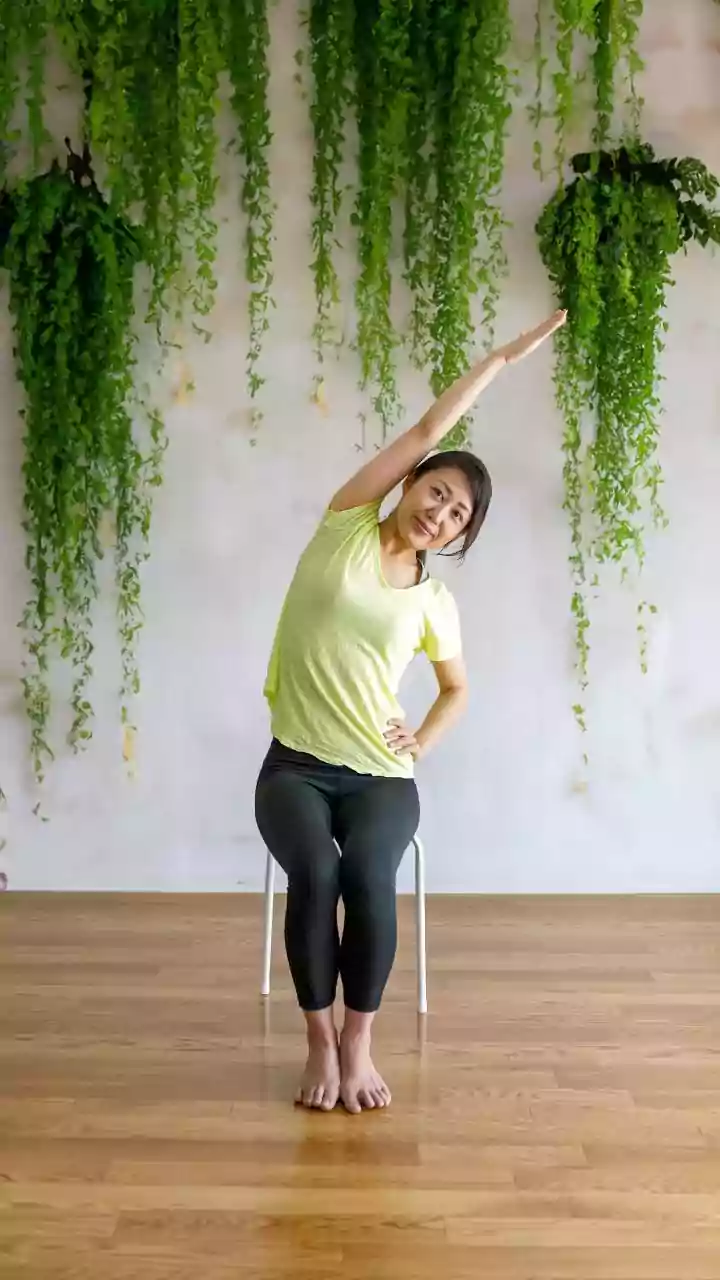
Crucially, the yoga attracting this demographic is vastly different from the power vinyasa flows popular on social media. The focus is on accessibility and therapeutic benefits. Chair yoga, for instance, allows participants to practice poses with support, making it ideal for those with balance or mobility issues. Gentle Hatha classes emphasise slow, deliberate movements and holding poses to build strength without strain. Pranayama (breathing exercises) and meditation are also central components, offering profound benefits for mental health, reducing anxiety, and improving cognitive function. Instructors working with this group are trained to modify postures and prioritise safety, creating an inclusive environment where everyone feels capable and supported.
Benefits Beyond the Mat
The impact of this trend extends far beyond physical flexibility. For many attendees, the yoga class is a key social event, a place to meet peers and build friendships, combating the social isolation that can plague later life. The sense of accomplishment that comes from mastering a new posture or simply feeling stronger in daily activities is a massive confidence booster. Neurologically, the practice has been shown to improve proprioception—the body's awareness of its position in space—which is critical for preventing falls, a major cause of injury in older adults. Mentally, it offers a dedicated time to quiet the mind, manage stress, and cultivate a more positive outlook on life.
The Road Ahead
While the trend is overwhelmingly positive, challenges remain. The cost of studio classes in metros can be a barrier for some retirees on a fixed income. There is also a need for more instructors with specialised training in geriatric wellness to ensure that classes are both safe and effective. However, the momentum is undeniable. As more people experience the benefits firsthand, word-of-mouth is driving further growth. Digital platforms are also playing a role, offering affordable, on-demand classes that can be done from the comfort of home, overcoming logistical hurdles for those with limited mobility. This movement signals a hopeful future where ageing is not about decline, but about continued growth and active, joyful participation in life.