
A Renaissance of Flavour
Beyond the familiar mango and lime varieties that dominate commercial shelves, a delicious revival is underway. Food lovers and home cooks are turning their attention back to the stunning diversity of India's regional pickles. This resurgence isn't just
about taste; it's a rediscovery of heritage. In an era of fast food and globalised menus, the humble achar has become a symbol of authenticity and a connection to roots. Consumers are increasingly seeking out the unique, hyperlocal flavours that tell a story of a specific region, from the pungent bamboo shoot pickles of the Northeast to the fiery prawn and fish pickles found in coastal communities. This shift reflects a broader trend of valuing tradition and seeking out foods that are both flavourful and meaningful.
Nostalgia in a Jar
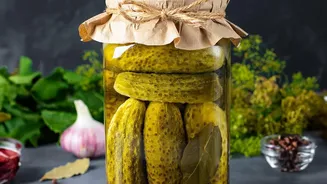
A huge part of the appeal is nostalgia. For many, the sharp, tangy aroma of a pickle instantly evokes memories of summer holidays, ancestral homes, and the quiet magic of a grandmother’s kitchen. These aren't just condiments; they are edible histories, with recipes passed down through generations like precious family heirlooms. In many households, the annual pickle-making process was a communal event, a ritual that brought families together. As lifestyles have become more hectic and nuclear families more common, the time for these elaborate preparations has dwindled. Yet, the craving for that authentic, homemade taste remains, creating a perfect market for those who can deliver that “nani ke haath ka swaad” (the taste of grandmother's cooking).
The Rise of Artisanal Brands
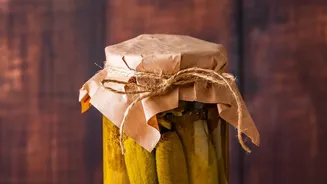
Tapping into this potent mix of nostalgia and demand for authenticity is a new wave of artisanal and direct-to-consumer (D2C) brands. Many were started by home cooks and food enthusiasts, some even during the pandemic, who saw an opportunity to share their family recipes with a wider audience. Leveraging social media and e-commerce, these small-batch producers are making regional specialities accessible to customers across the country. Brands like FarmDidi, which empowers rural women, and others born from a single family recipe have found immense success by offering preservative-free, clean-label products that promise both quality and a story. They are transforming a largely unorganised sector, focusing on hygiene, beautiful packaging, and the unique narrative behind each jar.
More Than Just Taste: The Health Connection
The renewed interest in traditional pickles also aligns with a growing global focus on health and wellness. Unlike many mass-produced versions that can be high in salt and preservatives, traditional Indian pickles are often naturally fermented. This process promotes the growth of beneficial probiotics, which are excellent for gut health and digestion. Furthermore, they are packed with the goodness of their core ingredients—fruits and vegetables—and the spices used in them, like turmeric, fenugreek, and asafoetida, are known for their antioxidant and anti-inflammatory properties. As consumers become more health-conscious, these naturally preserved, nutrient-rich condiments are being seen not as a guilty pleasure, but as a valuable addition to a balanced diet.
Exploring a World of Achar
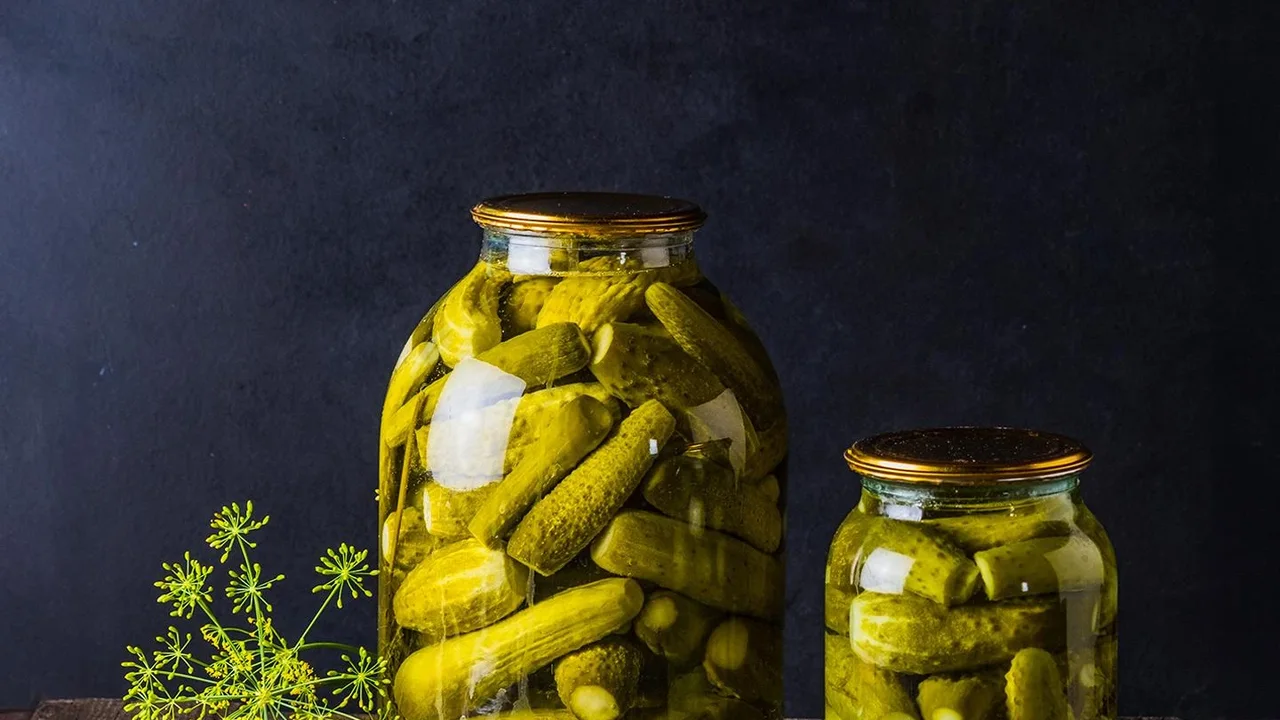
The sheer variety is astounding. In Rajasthan, you might find a fiery red chilli pickle (Lal Mirch ka Achaar), while Gujarat offers the sweet and tangy mango Chhundo. Head south, and you’ll discover the unique Gongura pickle from Andhra Pradesh, made from sorrel leaves, or Kerala's savoury seafood pickles. The Northeast boasts the intensely hot Bhut Jolokia (ghost pepper) pickle, and Kashmir has its crunchy Monji Achar made from kohlrabi. Each jar is a reflection of its local terroir, preserving seasonal abundance and celebrating the culinary ingenuity of the region. This diversity is now at the forefront, encouraging a new generation to look beyond the usual and explore the rich tapestry of flavours India has to offer.