
Why Your City Fails the Star Test
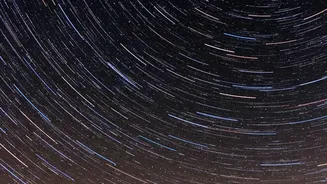
The culprit behind the disappearing stars is light pollution, the excessive and misdirected artificial light that creates a bright haze, or 'skyglow', over urban areas. Major Indian cities like Bengaluru, Delhi, and Mumbai suffer from nighttime brightness
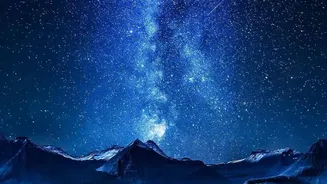
levels up to 40-50 times higher than natural darkness. This constant illumination from streetlights, buildings, and advertising billboards effectively washes out all but the brightest celestial objects, rendering phenomena like meteor showers and the Milky Way invisible. Studies show a steady increase in light pollution across states like Karnataka, Maharashtra, and Uttar Pradesh, making it essential for stargazers to seek darker skies. The solution is simple: a short drive away from the city centre can dramatically improve your view of the universe.
Autumn's Celestial Calendar for 2026
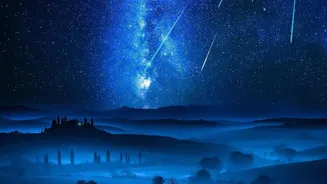
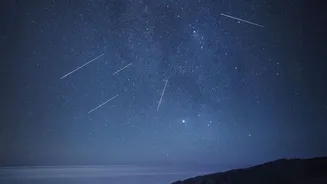
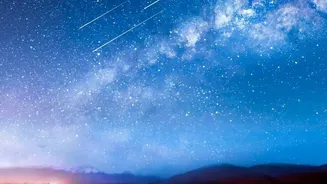
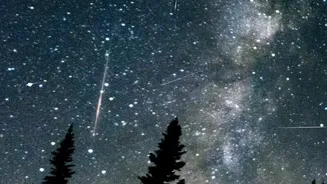
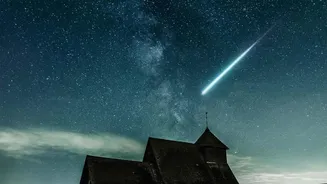
This autumn offers several opportunities to catch a 'shooting star'. Key meteor showers visible from India include the Draconids, Orionids, Taurids, and Leonids. The Draconids, peaking around October 8-9, are unusual as they are best viewed in the early evening. The Orionids, debris from the famous Halley's Comet, will peak on the mornings of October 21-22. While a bright moon will be present, a window of dark sky opens just before dawn. The Taurid meteor shower, active throughout October and November, is known for producing slow, exceptionally bright fireballs. It peaks under favourable moonless conditions around November 5 and November 12. Finally, the Leonids, famous for their speed, peak around November 17-18 with good viewing conditions after midnight.
Coorg, Karnataka: Coffee and Constellations
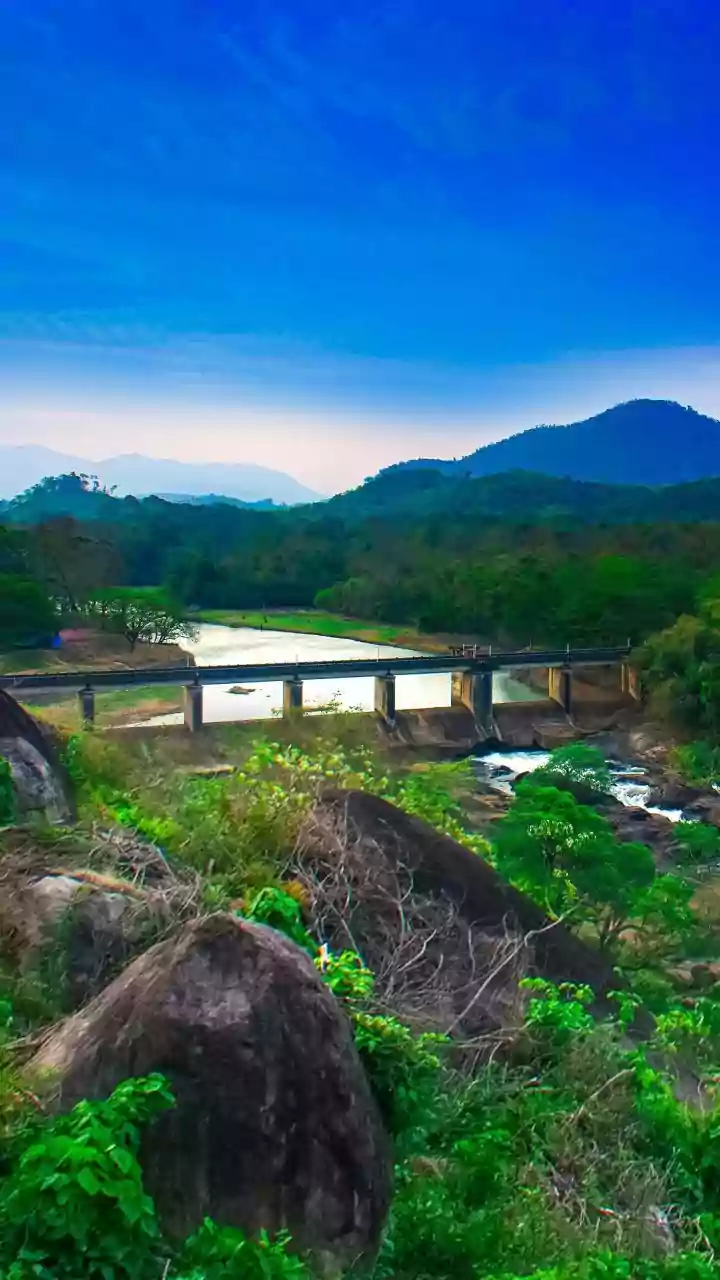
Nestled in the Western Ghats, Coorg’s rolling hills and coffee plantations provide a natural shield from urban light. Away from the main town of Madikeri, numerous homestays offer tranquil spots perfect for stargazing. The region's elevation and cleaner air contribute to clearer night skies, making it one of South India's premier dark-sky destinations. Imagine the scent of coffee blossoms mingling with the cool night air as you watch meteors streak across the sky. The period after the monsoon provides particularly clear conditions for observing the cosmos.
Spiti Valley, Himachal Pradesh: High-Altitude Splendour
For the truly dedicated, Spiti Valley is unparalleled. This high-altitude cold desert offers some of the darkest skies in the country, second only to Hanle in Ladakh. Villages like Kaza and Kibber, situated above 4,000 metres, are far from any significant light pollution. The dry, thin atmosphere here results in exceptionally sharp and brilliant views of the Milky Way and meteor showers. The post-monsoon autumn months provide clear skies, though visitors should be prepared for cold nights at this altitude. Stargazing here is not just an activity but a profound experience of remoteness and wonder.
Rann of Kutch, Gujarat: A Desert Sky Dome
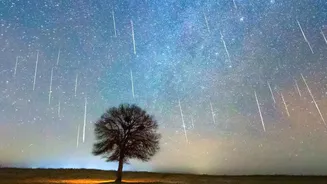
The vast, flat expanse of the white salt desert in Kutch creates a unique stargazing arena. With no trees or hills to obstruct the view, you get a 360-degree panorama of the heavens. During the Rann Utsav (typically November to February), you can stay in desert camps far from any light sources. On a moonless night, the sheer number of visible stars is breathtaking, and the white desert floor can even seem to reflect the starlight, creating a surreal feeling of being enveloped by the cosmos.
Jaisalmer, Rajasthan: Gateway to the Thar
Similar to the Rann of Kutch, the Thar Desert near Jaisalmer offers an accessible and rewarding stargazing experience. Locations like the Sam Sand Dunes, a short drive from the city, provide clear, dark skies perfect for watching meteor showers. Many desert safari operators include overnight camping, often with local guides sharing folktales about the stars alongside traditional music and food. This combination of culture and cosmology makes it an excellent choice for families and first-time stargazers.
Your Essential Stargazing Kit
You don’t need expensive equipment to enjoy a meteor shower. Your eyes are the best tool. However, a few items can enhance the experience. Pack a comfortable reclining chair or a blanket to lie on. Bring warm clothing, as even desert nights can get chilly. A red-light torch is crucial, as red light preserves your night vision, unlike the harsh glare of a standard white flashlight. While not essential, a pair of binoculars can offer stunning views of the moon and brighter star clusters. Lastly, consider downloading a stargazing app on your phone to help identify constellations and planets.