


The Scent of the Season
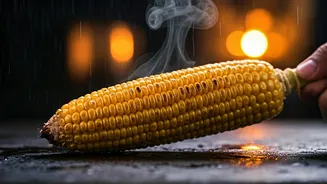
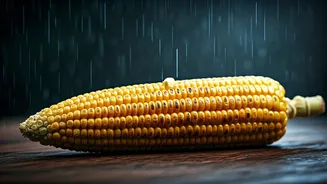
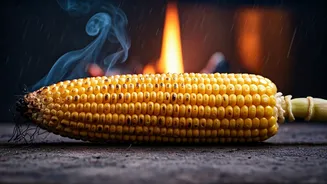
It begins not with a sight, but with a smell. A plume of fragrant smoke cutting through the damp, petrichor-laden air. This is the unmistakable signal that the bhutta-walas have reclaimed their corners. As the monsoon establishes its reign, these humble
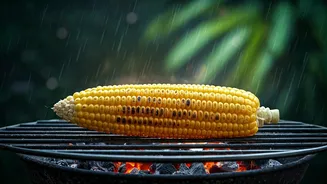
vendors appear, almost as if summoned by the clouds themselves. Their setup is beautifully simple: a small, portable grill (a sigri), a pile of fresh corn cobs—some still wrapped in their green husks—and a hand-cranked fan to coax the embers into a fiery glow. This mobile kitchen becomes a beacon of warmth on a cool, rainy day, drawing people from all walks of life into its smoky orbit. It’s a scene that plays out across the country, from bustling city streets to quiet neighbourhood lanes, a universal opening act for the season’s main event.
The Ritual of the Roast
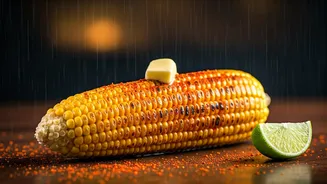
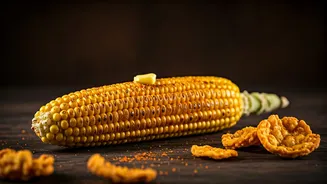
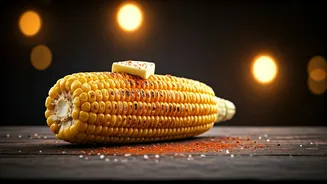
Watching a bhutta get roasted is to witness a small, masterful performance. The vendor, an artist in their own right, selects a cob and places it directly onto the glowing coals. With deft, calloused fingers, they turn it methodically, ensuring every kernel is kissed by the flame. The corn hisses and pops, its natural sugars caramelizing to create those delicious, slightly charred spots. The air thickens with the nutty aroma of roasting corn. Once cooked to perfection—a state judged not by a timer, but by sight, sound, and instinct—the real magic happens. The steaming cob is pulled from the fire, and the vendor presents you with the crucial choice: a smear of fiery masala or just a simple rub of salt and lime? Most opt for the classic trinity: a halved lemon is dipped into a secret blend of salt, red chilli powder, and chaat masala, then rubbed vigorously across the hot kernels, releasing a final, irresistible sizzle and a burst of tangy, spicy fragrance.
An Antidote to Complexity
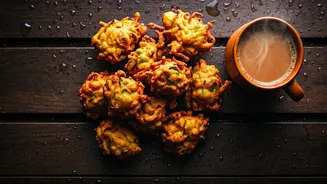
While plates of hot pakoras and samosas certainly have their place in the monsoon hall of fame, bhutta offers something different. It’s less a dish and more an elemental experience. There’s no complex recipe, no deep-frying, no heavy batter. It is, at its core, a vegetable cooked over a fire. This simplicity is its greatest strength. In a world of over-processed foods and elaborate culinary trends, the roasted bhutta is an honest, wholesome pleasure. It’s a snack you can eat on the go, cupped in a piece of husk or newspaper, without worrying about oily fingers. It’s also relatively healthy, offering fibre and nutrients without the guilt of its fried counterparts. It is the perfect, rustic antidote to the complexities of modern life, a reminder that the most profound joys are often the simplest.
A Taste of Shared Memory
More than just a snack, bhutta is a powerful vessel of nostalgia. The first bite—a mix of sweet, smoky, tangy, and spicy—is a sensory key that unlocks a flood of memories. It tastes like childhood drives with the windows rolled down, impromptu stops on a road trip when the skies opened up, or huddling under a shop awning with friends, sharing a single cob. It’s a democratic snack, enjoyed by everyone from schoolchildren spending their pocket money to office workers taking a break. Standing around the bhutta cart, you become part of a temporary community, united by the simple act of enjoying a seasonal treat. It connects generations, a thread of taste that runs through our collective memory of the Indian monsoon.