







More Than Just Planting Trees
So, what exactly is climate-friendly gardening? It’s a holistic approach that goes beyond simply having plants. The goal is to create a small, self-sustaining ecosystem that works with nature, not against it. This means choosing plants that thrive in our
local conditions, nurturing the soil to become a carbon sink, conserving every drop of water, and eliminating the need for chemical fertilisers and pesticides. It’s about viewing your garden—whether it’s a few pots on a windowsill or a sprawling backyard—as a tiny but mighty part of the solution to a global challenge. This shift in mindset is gaining momentum in urban India, where people are eager to make a tangible, positive impact from home.
Choose Native, Thrive Locally
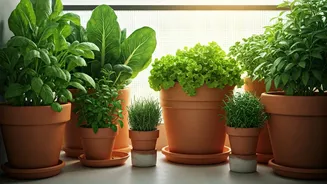
The single most impactful change you can make is to embrace native plants. Foreign, exotic species often require huge amounts of water, special soil, and chemical intervention to survive in the Indian climate. Native plants, on the other hand, are perfectly adapted to our seasons, soil, and rainfall patterns. Think vibrant marigolds (gainda), fragrant jasmine (mogra), hardy bougainvillaea, and culinary heroes like curry leaves (kadi patta) and tulsi. They require less water, are naturally resistant to local pests, and provide essential food and shelter for local birds, bees, and butterflies. By choosing native, you’re not just saving resources; you’re actively rebuilding a local ecosystem.
Turn Your Soil into a Carbon Sponge
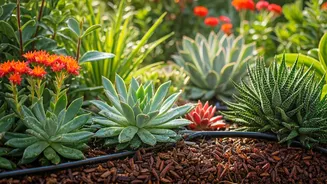
Healthy soil is the foundation of a climate-friendly garden. Instead of treating it like dirt, think of it as a living organism. The key is to boost its organic matter. Start composting! All your kitchen scraps—vegetable peels, fruit cores, tea leaves, and eggshells—can be turned into 'black gold' for your plants. This homemade compost enriches the soil, improves its structure, and helps it retain moisture, reducing the need for frequent watering. Furthermore, healthy, compost-rich soil acts as a carbon sink, pulling carbon dioxide from the atmosphere and storing it in the ground. Applying a layer of mulch (like dried leaves or wood chips) on top of your soil also helps retain moisture, suppress weeds, and regulate temperature.
Water Wisely and Waste Nothing
In a water-scarce country like India, every drop counts. Climate-friendly gardening prioritises water conservation. Ditch the hosepipe, which leads to wastage through evaporation and runoff. Instead, use a watering can to deliver water directly to the base of the plants. The best time to water is early in the morning or late in the evening when temperatures are cooler, minimising evaporation. Group plants with similar water needs together to make watering more efficient. For a truly sustainable approach, consider recycling 'greywater' from your kitchen—the water used to wash vegetables and rice is packed with nutrients your plants will love. Simple drip irrigation systems, made from recycled plastic bottles, are also becoming popular for balcony gardens.
Work With Nature, Not Against It
A resilient garden is one that manages its own pests and diseases. Instead of reaching for chemical pesticides that harm pollinators and degrade the soil, adopt natural methods. A simple spray made from neem oil and soapy water can deter many common pests. Companion planting is another brilliant strategy: planting marigolds near your tomato plants can repel nematodes, while planting basil can ward off aphids. Encouraging 'good bugs' like ladybugs and spiders will also keep pest populations in check naturally. By creating a balanced environment, you foster a garden that is strong, healthy, and doesn't rely on a cycle of chemical dependency.