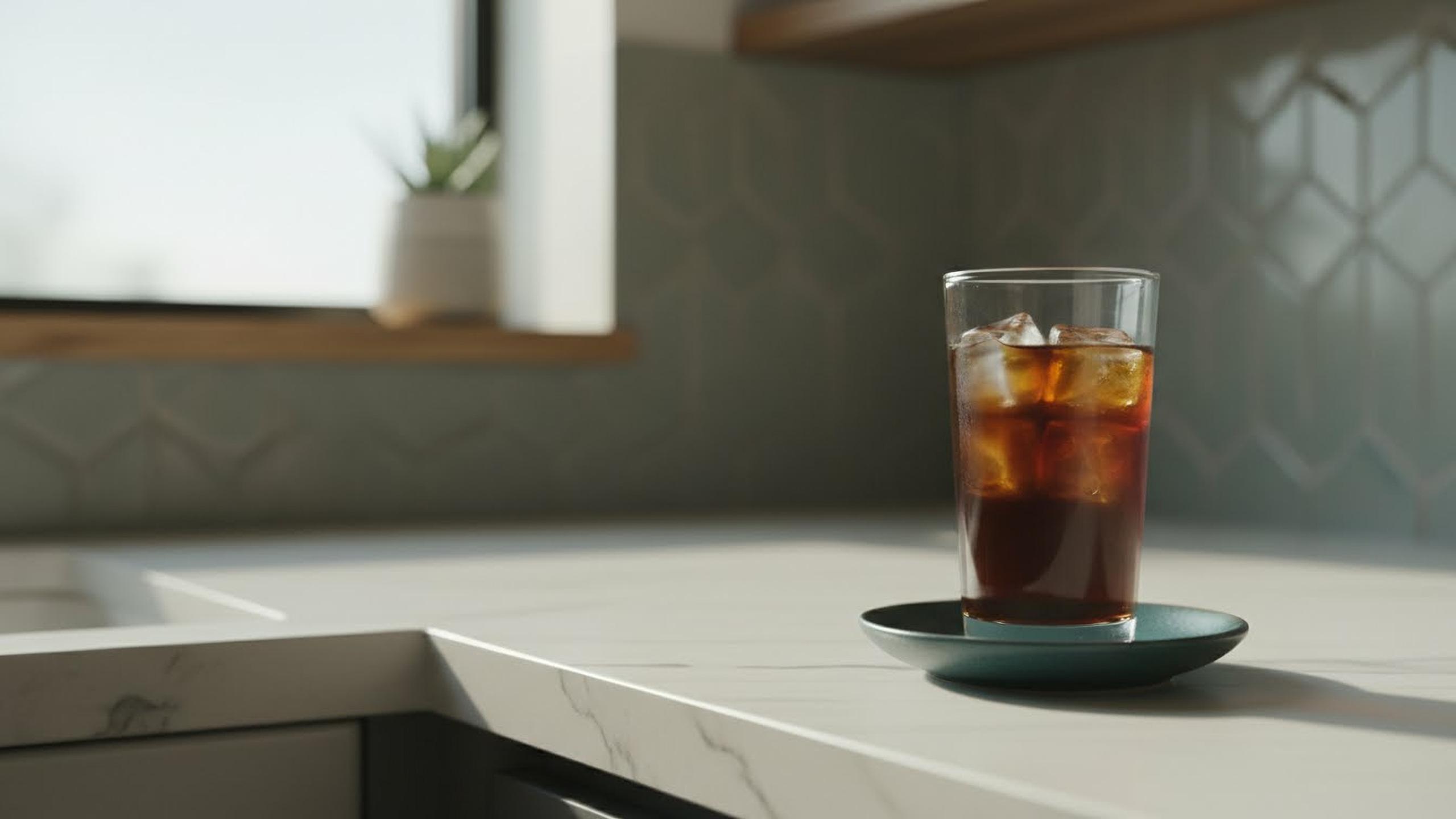








The Magic of Cold Water Chemistry
The fundamental difference between cold brew and its hot-brewed cousin lies in the temperature of the water. Brewing coffee is a process of extraction, where water acts as a solvent to pull flavour compounds, oils, and acids out of the ground beans. Hot
water, typically between 90-96°C, does this job aggressively and quickly. This high heat extracts a wide range of compounds, including the sharp, acidic ones that can sometimes give hot coffee a bitter bite. In contrast, cold or room-temperature water is a much gentler solvent. It extracts compounds from the coffee far more slowly and selectively. Crucially, many of the acidic compounds, like chlorogenic acids, are less soluble in cold water. As a result, they largely get left behind in the grounds, leading to a final product that is naturally sweeter, smoother, and significantly less acidic—by some estimates, up to 70% less. This lower acidity is why many people find cold brew easier on their stomach.
Why Coarse Grounds Are Essential
Just as temperature is critical, so is the size of your coffee grounds. For cold brew, you must use a coarse grind, similar to the texture of raw sugar or breadcrumbs. This might seem counterintuitive; after all, a finer grind has more surface area, which should lead to better extraction. While true for a fast, hot brew, it’s the opposite of what you want for a long, slow steep. The extended contact time in cold brewing, often 12 to 24 hours, means a fine grind would over-extract, releasing bitter compounds and creating a muddy, unpleasant concentrate. A coarse grind slows down the extraction process, ensuring only the desirable, smooth flavours are pulled out over the long soak. This slow and steady method prevents the brew from becoming harsh. Furthermore, coarse grounds are much easier to filter out at the end, giving you a clean, grit-free coffee concentrate instead of sludge at the bottom of your pitcher.
The Simple Overnight Process
Making delicious cold brew at home requires little more than patience. You don't need specialised equipment; a large glass jar or a French press will work perfectly. The key is the ratio of coffee to water and the steeping time. A good starting point for a concentrate is a 1:4 to 1:8 ratio of coffee to water by weight. For example, use one cup of coarsely ground coffee for every four to eight cups of cold, filtered water. Simply combine the grounds and water in your container, stir well to ensure all the grounds are saturated, and then cover it. Let this mixture steep for 12 to 24 hours. You can leave it on your countertop at room temperature or place it in the refrigerator; steeping in the fridge will take a bit longer but results in a very smooth brew.
Straining for a Silky Finish
Once the steeping is complete, the final step is to separate the rich, dark concentrate from the coffee grounds. Proper straining is what gives cold brew its signature clean and silky mouthfeel. If you used a French press, simply press the plunger down slowly and pour out the concentrate. If you used a jar, you’ll need to filter the mixture. You can do this by pouring it through a fine-mesh sieve lined with a cheesecloth or even a paper coffee filter. It may take a few minutes for all the liquid to drip through, but the patience pays off. Avoid squeezing the cheesecloth or filter at the end, as this can push bitter-tasting sediment into your final product. The resulting liquid is a coffee concentrate that you can store in an airtight container in the fridge for up to two weeks.
Serving Your Perfect Brew
Your homemade cold brew concentrate is versatile. To serve, simply dilute it with water or milk to your desired strength. A common ratio is one part concentrate to one or two parts water, milk, or a plant-based alternative. Pour it over ice for a classic cold brew, or even add a splash of hot water if you want a smooth, low-acid hot coffee. Because you've created a concentrate, it’s a fantastically convenient way to have quality coffee ready to go for days, without having to brew a fresh pot every morning. By understanding the simple science of time and temperature, you can easily replicate that café-quality smooth coffee experience right at home.