


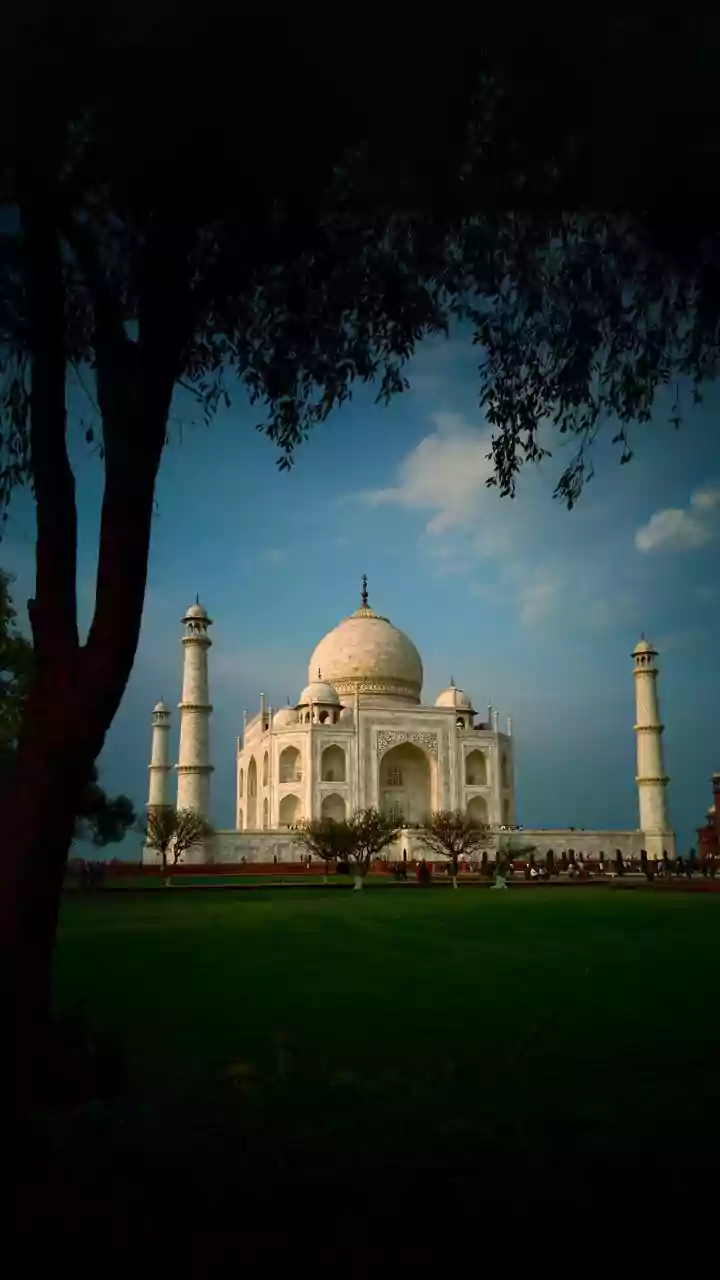


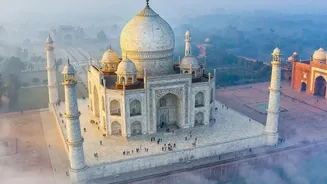

The Overcrowded Tourist Trail
When planning a holiday within India, a familiar list of destinations often comes to mind: the Golden Triangle, the beaches of Goa, the backwaters of Kerala. While these places are popular for good reason, their immense popularity has created a lopsided
tourism economy. This concentration of visitors leads to overcrowding during peak seasons, strained infrastructure, and environmental degradation. Meanwhile, countless other towns and villages with rich cultural heritage, unique festivals, and stunning natural beauty remain largely undiscovered by the mainstream traveller. This disparity means many local economies miss out on the benefits of tourism, which contributed over 5% to India's GDP in the 2023-24 financial year and supported over 84 million jobs.
A Digital Push for Diversification
Recognising this imbalance, the Indian government has launched a multi-pronged digital strategy to encourage a more even spread of tourism. This isn't about one single app or website, but a layered ecosystem of platforms designed to inform, inspire, and facilitate travel to new frontiers. Initiatives like 'Dekho Apna Desh 2.0' and the revamped 'Incredible India' digital platform are at the forefront of this push. They are moving away from generic promotions and towards theme-based outreach, highlighting categories like spiritual, wellness, adventure, and rural tourism to attract travellers with specific interests. The goal is to shift the focus from a handful of destinations to a wide array of experiences available across the country.
Meet the New Digital Guides
Two key components of this strategy are the Utsav Portal and the newly launched National Digital Tourism Stack (NDTS). The Utsav Portal acts as a comprehensive calendar of India’s cultural life, showcasing thousands of festivals, fairs, and events, complete with options for live-streamed darshans from major shrines. By providing detailed information on how to reach these events and what to expect, the portal encourages travel centred around unique cultural happenings, many of which occur outside major cities. The NDTS, launched on World Tourism Day 2026, is even more ambitious. Developed with the Open Network for Digital Commerce (ONDC), it aims to create a unified digital infrastructure. Instead of a single government app, it allows any tourism provider—from a rural homestay to a local guide—to list their services once and be discoverable across multiple apps and platforms, including those of major online travel agents.
Connecting the Virtual to the Real
These digital tools are designed to work in tandem with physical infrastructure development. The UDAN scheme, which is expanding regional air connectivity to underserved airports, makes many of these newly promoted destinations physically accessible. The government is also signing non-commercial partnerships with companies like Airbnb and MakeMyTrip to help develop homestays, skill local hosts, and promote unexplored villages. The NDTS is envisioned as an AI-first platform, capable of providing personalised recommendations based on a traveller's interests, and will integrate verified credentials for service providers, digital payment options, and a grievance redressal system to build trust among users. The idea is to make booking a verified homestay in a remote village as seamless as booking a five-star hotel in a metro city.
The Road Ahead: Promise and Pitfalls
The potential is immense, but significant challenges remain. The success of any digital initiative in a country as vast as India hinges on solving the 'last-mile' problem. This includes overcoming patchy internet connectivity and low digital literacy in many rural areas, which could prevent local entrepreneurs from participating in the ecosystem. There is also the challenge of ensuring that newly popular destinations are developed sustainably, without repeating the mistakes of overcrowding and environmental strain seen elsewhere. This requires careful planning and monitoring of a destination's carrying capacity. Without addressing these foundational issues, the digital push could risk widening the gap it seeks to close.