
The Hidden Danger of Constant Dampness
Keeping potting mix perpetually wet is one of the most common mistakes in plant care, and it often leads to a fatal condition known as root rot. Plant roots need more than just water; they also need oxygen, which they absorb from air pockets within the soil.
When soil is constantly saturated, these pockets fill with water, effectively suffocating the roots. This oxygen-deprived environment stresses the plant and creates a perfect breeding ground for fungi and bacteria that cause decay. As the roots begin to rot, they lose their ability to absorb water and nutrients, leading to symptoms like wilting and yellowing leaves. Ironically, an overwatered plant often looks thirsty, which can trick well-meaning gardeners into watering it even more, accelerating its decline.
Why a 'Dry-Down' Period is Crucial
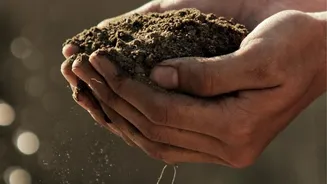
Allowing the potting mix to partially dry out between waterings is essential for creating a healthy root environment. This drying period allows air to return to the soil, giving roots the oxygen they need to function and grow strong. It also discourages the growth of harmful pathogens that thrive in soggy conditions. Letting the soil dry forces roots to grow deeper in search of moisture, leading to a more robust and resilient root system. This cycle of wet and dry mimics the natural conditions most plants are adapted to. Think of it less as neglecting your plant and more as giving it the breathing room it needs to flourish.
How to Know When It's Time to Water
Ditching a rigid schedule like 'water every Tuesday' is the first step. Instead, learn to read your plant's needs. The most reliable method is the finger test: stick your finger about one to two inches into the soil. If it feels dry at that depth, it's time to water. If you feel coolness or moisture, it's best to wait and check again in a day or two. Another simple trick is to gauge the weight of the pot. A freshly watered pot is noticeably heavier than a dry one. After a few cycles, you'll develop an intuitive sense for when it feels light and needs a drink. For some plants, you might see visual cues like slightly drooping or curling leaves, but try not to wait for this sign of stress every time.
The Right Way to Water, Less Often
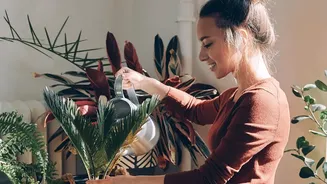
The key is to water thoroughly but infrequently. When you do water, do it generously. Pour water slowly and evenly over the soil surface until you see it flowing freely from the drainage holes at the bottom of the pot. This ensures the entire root ball is saturated, not just the top layer. After watering, allow the pot to drain completely for about 15 to 30 minutes and be sure to empty any excess water from the saucer. Letting a plant sit in a tray of water recreates the very swampy conditions you're trying to avoid. Remember, overwatering is about frequency, not volume. A deep soak followed by a drying period is far superior to small, frequent sips.
Are There Any Exceptions?
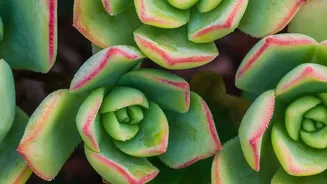
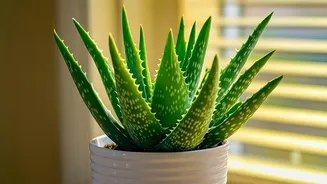
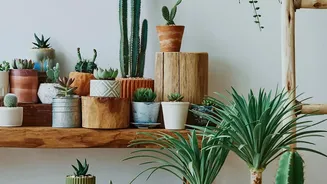
While letting the soil dry is a golden rule for the vast majority of common houseplants, there are always exceptions. Cacti and succulents, for example, have evolved to store water and prefer their soil to dry out completely between very infrequent waterings. On the other end of the spectrum, some tropical plants like ferns and certain bog plants prefer more consistent moisture and should not be allowed to dry out significantly. However, even these moisture-lovers need well-draining soil to prevent waterlogging. The fundamental principle of ensuring roots have access to oxygen still applies; their tolerance for dryness is just much lower. Always do a little research on your specific plant's needs.