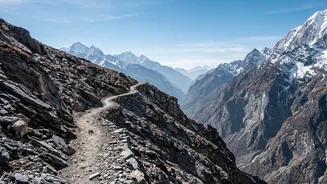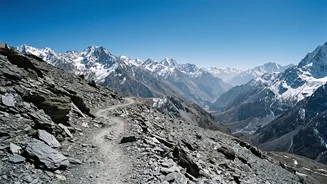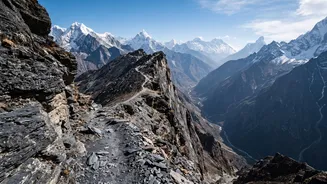



The Himalayas have long beckoned Indian adventurers with their majestic peaks. A recent high-profile rescue of six Indian trekkers in Nepal serves as a stark reminder that these mountains demand respect, preparation, and strict adherence to safety rules.
A Perilous Trek Ends in Rescue
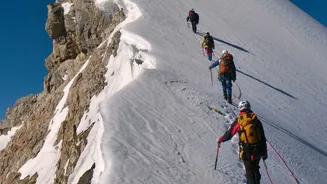
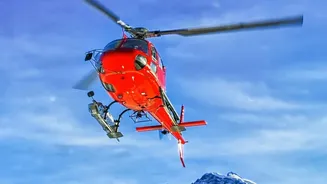
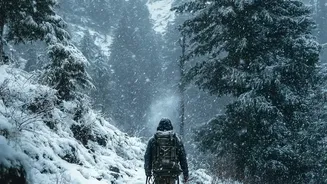
In early November, six Indian trekkers were rescued from the remote Upper Dolpa region of Nepal after being stranded for two nights in heavy snowfall. The group, which included five individuals from West Bengal and one from Andhra Pradesh, had reportedly ventured into a restricted area without the necessary permits. According to officials, they also ignored multiple warnings about deteriorating weather conditions from their guide, whom they left behind, and local residents. The trekkers became trapped at an altitude of around 4,500 metres near the Numala-Bungla pass. A helicopter evacuation was launched, costing an estimated ₹10 lakh, which was initially covered by Nepal's disaster management fund. All six were brought to safety and received medical attention. Following their rescue, the group was fined for violating regulations, though authorities reportedly showed leniency given their ordeal.
The Mandatory Guide Rule
This incident brings a critical regulation into sharp focus: Nepal's mandatory guide policy. Since April 2023, it has been compulsory for all foreign trekkers, including those from India, to hire a licensed guide through a government-registered trekking agency. This rule was implemented to enhance trekker safety, ensure quicker emergency response, and prevent people from getting lost. Independent solo trekking in virtually all popular regions, including the Annapurna and Langtang areas, is no longer permitted. Authorities enforce this by linking the issuance of the mandatory Trekkers' Information Management System (TIMS) card directly to the details of a licensed guide. Without a guide booked through a registered agency, a permit application will not be approved, making a trek illegal.
Understanding the Risks
Beyond official rules, trekking in the Himalayas carries inherent risks that every traveller must prepare for. The primary danger is Acute Mountain Sickness (AMS), a condition caused by ascending to high altitudes too quickly. Symptoms start with headaches and nausea but can escalate to life-threatening conditions. The golden rule is to acclimatise properly by ascending slowly, taking rest days, and adhering to the 'climb high, sleep low' principle. Weather is another major factor; conditions can change in an instant, turning a clear day into a blizzard. As seen in the Dolpa rescue, ignoring weather warnings can have severe consequences. Other risks include hypothermia, frostbite, and navigating treacherous terrain that can be prone to landslides, especially during monsoon season.
Preparation is Paramount
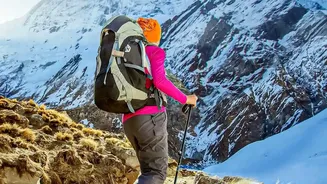
The key to a safe Himalayan adventure lies in meticulous preparation. This starts with an honest assessment of your physical fitness. While you don't need to be a professional athlete, a good level of cardiovascular endurance is essential for handling long trekking days. Equally important is hiring a reputable, government-registered trekking agency. These agencies not only provide licensed, experienced guides but also handle all necessary permits, such as the TIMS card and National Park entry fees. Your guide is your lifeline, possessing invaluable local knowledge of the trail, weather patterns, and emergency procedures. They are trained to spot early signs of altitude sickness and make critical safety decisions. Packing the right gear, including layered clothing, waterproofs, broken-in trekking boots, and a comprehensive first-aid kit, is also non-negotiable.
The Insurance You Cannot Skip
One of the most critical aspects of preparation is securing the right insurance. Officials noted that the lack of travel insurance complicated the rescue of the Indian trekkers in Dolpa. Standard travel insurance policies are often inadequate for Himalayan trekking. It is crucial to have a specialised policy that explicitly covers high-altitude trekking (up to 6,000 metres for most popular treks) and, most importantly, helicopter evacuation. A helicopter rescue can be incredibly expensive, and many services require proof of payment or insurance coverage before a flight is dispatched. Since 2026, proof of adequate insurance is a mandatory requirement before trekking permits are issued in Nepal.