





More Than Just Meal Prep
At first glance, freezing oatmeal seems like a simple meal-prep hack. For years, people have cooked large batches of steel-cut oats, frozen them in portions, and reheated them for a quick, wholesome breakfast. This saves time on busy mornings, especially
since less-processed oats like steel-cut varieties can take a while to cook. However, the current trend is slightly different. Instead of just a time-saver, creators are touting it as a way to create a cool, dense, cake-like breakfast, often eaten partially frozen or thawed. It’s a departure from oatmeal's identity as a warm, comforting porridge, transforming it into a refreshing meal, particularly appealing in warmer weather.
The Resistant Starch Connection
The main health claim behind this trend revolves around something called resistant starch. When starchy foods like oats are cooked and then cooled, their molecular structure changes. This process, called retrogradation, increases the amount of resistant starch. This type of starch “resists” digestion in the small intestine. Instead, it travels to the large intestine, where it acts as a prebiotic, feeding the good bacteria in your gut. This fermentation process produces short-chain fatty acids like butyrate, which can help reduce inflammation and support overall gut health. Proponents believe this makes the meal more gut-friendly and potentially beneficial for blood sugar control.
Potential Benefits Beyond the Gut
The benefits of resistant starch might extend to blood sugar management and satiety. Because resistant starch isn't broken down into glucose quickly, it helps prevent the sharp blood sugar spikes that can sometimes follow a carb-heavy meal. This leads to more stable energy levels, avoiding the dreaded mid-morning crash. Furthermore, like other forms of fiber, resistant starch can help you feel fuller for longer, which may aid in weight management. Oats themselves are already nutritional powerhouses, packed with a special fiber called beta-glucan, protein, and essential minerals like manganese, phosphorus, and zinc. The freezing process doesn't diminish these inherent benefits; it may simply add the extra dimension of resistant starch.
Is It Better Than Overnight Oats?
The concept of cold oats isn't new. Overnight oats, which are soaked raw, also contain a type of resistant starch. Raw oats contain naturally occurring resistant starch (RS1), while cooked-then-cooled oats contain retrograded starch (RS3). Some evidence suggests that the cooking and cooling process creates a more significant amount of resistant starch compared to just soaking. However, both methods offer a way to enjoy a cool oat breakfast with potential gut health benefits. The frozen trend primarily offers a different texture—firmer and denser—which some people may prefer over the softer consistency of traditional overnight oats.
How to Try the Frozen Oats Trend
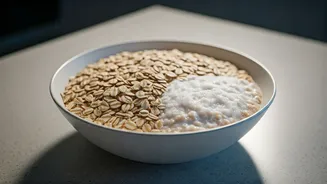
Curious to give it a try? The process is simple. Start by cooking your favorite type of oats—rolled or steel-cut work best—with water or milk. Allow the cooked oatmeal to cool down to at least room temperature before freezing; placing hot food directly in the freezer can promote bacteria growth. You can then pour the mixture into silicone muffin tins or other freezer-safe containers. Many creators add fruit, nut butter, or seeds to the bottom of the moulds before adding the oatmeal for a built-in topping. Freeze until solid. When you’re ready to eat, you can let an oat “puck” thaw in the fridge overnight or warm it gently in the microwave for a minute or two until it reaches your desired consistency—somewhere between frozen solid and fully thawed porridge.