




A Nutritional Powerhouse
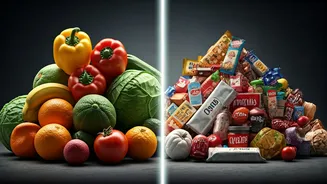
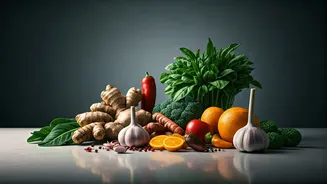
The most significant advantage of a packed tiffin is the nutritional control it offers. Multiple studies consistently show that meals prepared at home are healthier than most restaurant or takeout options. Restaurant meals often contain higher amounts
of sodium, saturated fats, and overall calories, designed to enhance flavour at the cost of health. Research has shown that people who regularly cook their own meals consume fewer carbohydrates, less sugar, and less fat. By packing a tiffin, you control every ingredient, from the type of oil used to the amount of salt. This simple act is linked to better dietary quality, higher intake of fruits and vegetables, and a lower risk of obesity. It’s a direct way to ensure you and your family are getting the balanced nutrients crucial for focus, energy, and long-term health.
The Container Itself Matters
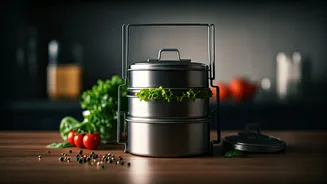
The conversation has shifted not just to what’s inside the tiffin, but the tiffin itself. Growing concerns about plastics have put our food containers under the microscope. Research highlights that some plastic containers can leach chemicals and microplastics into our food, especially when heated. Chemicals like BPA and phthalates, known as endocrine disruptors, have been linked to a range of health problems. Recent studies have found that frequent exposure to plastics from food containers could even be associated with an increased risk of heart issues and other organ damage. This is why the traditional stainless steel dabba is making a major comeback. Steel, along with glass, is considered a safer, more inert material that doesn't pose the same risks of chemical migration, ensuring your wholesome home-cooked meal remains just that—wholesome and uncontaminated.
An Unlikely Environmental Hero
In an age dominated by the problem of single-use plastics, the reusable tiffin is a powerful tool for environmental sustainability. Every meal ordered in a disposable container contributes to overflowing landfills and polluted oceans. It is estimated that a single child using disposable lunch items can generate over 30 kilograms of waste each school year. By contrast, a durable tiffin, used daily, prevents hundreds, if not thousands, of single-use containers from being thrown away over its lifespan. While reusable containers have an initial manufacturing footprint, studies show that after a certain number of uses, their overall environmental impact becomes significantly lower than that of their disposable counterparts. Choosing to pack a tiffin is a conscious, daily act of reducing your personal waste and carbon footprint, making a tangible contribution to a healthier planet.
More Than Food, It's a Feeling
Beyond the practical benefits, research also touches on the psychological advantages of a packed lunch. For many, a tiffin from home is a source of comfort and a midday connection to family. This act of care, whether you are packing it for someone or receiving it, reinforces social bonds. Moreover, having a pre-packed lunch eliminates the daily stress and decision fatigue of figuring out what to eat. Taking a break with a home-cooked meal can also improve work performance and reduce stress. Studies have shown that planning meals is associated with healthier eating patterns and a better variety of foods. This mindful approach to eating not only nourishes the body but also provides a moment of calm and well-being in an otherwise hectic day, making the tiffin a tool for both physical and mental health.