






Understanding Monsoon Mode
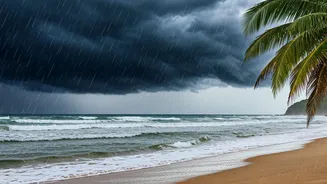
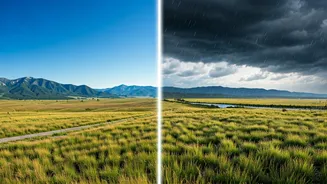
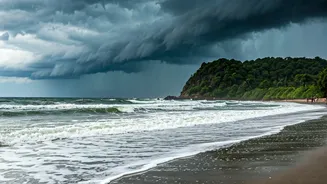
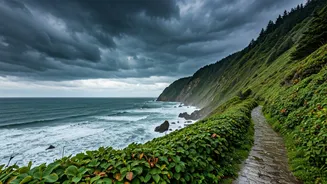
When coastal travel enters "monsoon mode," it’s a tale of two very different experiences. On one hand, the rain breathes new life into the scenery. The dusty summer haze is replaced by misty clouds, lush greenery, and dramatic, powerful waves. Waterfalls
that are barely a trickle in May become roaring cascades. It’s a time of fewer crowds, lower prices for flights and hotels, and a more tranquil, authentic atmosphere. On the other hand, this season demands respect. Rough seas, strong currents, and high tides make swimming and water sports extremely dangerous, with authorities often putting up red flags and advising against entering the water altogether. Travel can be disrupted by heavy downpours, and some remote areas might become difficult to access.
Destinations to Embrace
Not all coastal areas are off-limits. In fact, some are at their most beautiful during the rains. The Konkan Coast in Maharashtra, for instance, becomes a paradise of green hills, scenic drives, and countless waterfalls. Places like Ganpatipule, Guhagar, and Dapoli offer stunning views, though swimming in the sea is not recommended. In Kerala, the focus shifts from the beaches to the serene backwaters, which swell with the rains and are framed by vibrant paddy fields. Hill stations near the coast, like Amboli and Matheran, are popular for their misty, cool climate. Even Goa, famous for its winter sun, offers a different charm. The crowds thin out, the spice plantations flourish, and inland attractions like Dudhsagar Falls are at their peak.
Areas That Require Caution
The primary rule for monsoon coastal travel is safety first. Most official advisories strongly caution against swimming in the ocean along the entire coastline during this period due to treacherous rip currents. Popular beach destinations like Goa see most of their temporary beach shacks and water sports operators close down for the season. While the beaches themselves are open for walks, they are not for swimming. Certain remote islands, like in the Andamans, can be risky as ferry services are often cancelled due to rough seas, potentially leaving travellers stranded. It's also wise to be cautious in hilly coastal areas that are prone to landslides, such as parts of the Western Ghats connecting to the coast. Always check local conditions and weather warnings before and during your trip.
Your Monsoon Travel Kit
Packing smart is key to enjoying a monsoon trip. Prioritise function over fashion. Opt for lightweight, synthetic clothes that dry quickly, as cotton and denim can take forever to dry in the humid air. A reliable raincoat or poncho is a must-have. For footwear, choose sturdy, waterproof sandals or floaters with good grip, as roads and trails can be slippery. Protect your electronics by carrying them in waterproof bags or ziplock pouches. An essential first-aid kit, along with insect repellent and any personal medications, is non-negotiable. Finally, a power bank can be a lifesaver, as power cuts can be more frequent in some areas during heavy rains.
Travel Smart, Stay Safe
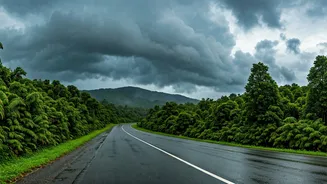
Flexibility is your best friend during monsoon travel. Delays are common, so build extra buffer time into your itinerary. If you're planning a road trip, be extra cautious on wet and winding ghat roads. Check your vehicle's tyres and brakes before you start. It’s best to avoid driving after dark. While street food is tempting, it's safer to eat at clean, reputable restaurants to avoid water-borne illnesses. Always stay updated with weather forecasts from reliable sources like the India Meteorological Department (IMD). Listen to local advice and heed all warnings from authorities. The monsoon’s beauty is best enjoyed when you’re prepared and safe.