




Beyond a Squeeze of Lime
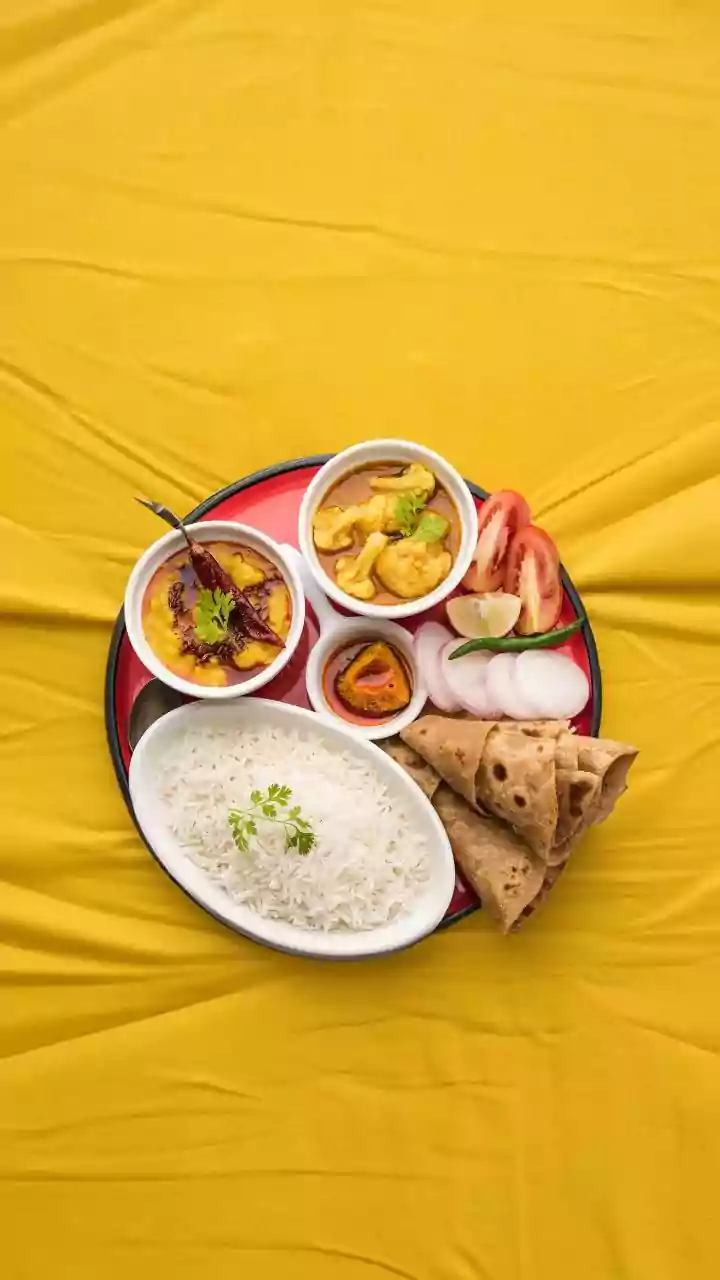
For generations, Indian cuisine has masterfully balanced the six essential tastes, with sourness playing a vital role. Tamarind in the south, amchur (dried mango powder) in the north, and lemons everywhere have long provided that familiar tangy counterpoint
to rich and spicy dishes. But today, a new wave of acidity is washing over the food scene. It’s less about a single, sharp note and more about a complex, nuanced tartness. Chefs and home cooks are exploring a wider spectrum of souring agents, from regional treasures to fermented wonders, creating dishes that are brighter, more dynamic, and irresistibly interesting. This isn't just about making food sour; it's about using tanginess to add depth, awaken the senses, and tell a story about ingredients and origins.
The New Tangy Superstars
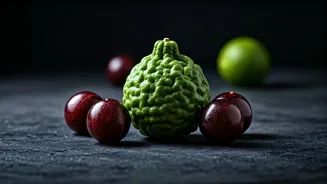
Leading this charge are several standout ingredients. Kokum, the dried rind of a fruit from the mangosteen family, is prized on the west coast for its gentle, slightly sweet sourness that beautifully complements fish curries and lentils. Meanwhile, from the east, the Gondhoraj lime—the 'king of fragrance'—is gaining national acclaim. Unlike regular limes, its power lies in its heady aroma as much as its juice, infusing everything from cocktails to desserts with an unforgettable floral-citrus scent. Exotic fruits like passion fruit are also making a splash, their tropical tartness appearing in yogurts, sauces, and beverages. This exploration reflects a growing appreciation for regional Indian produce and a desire for flavours that are both unique and authentic.
The Fermentation Factor
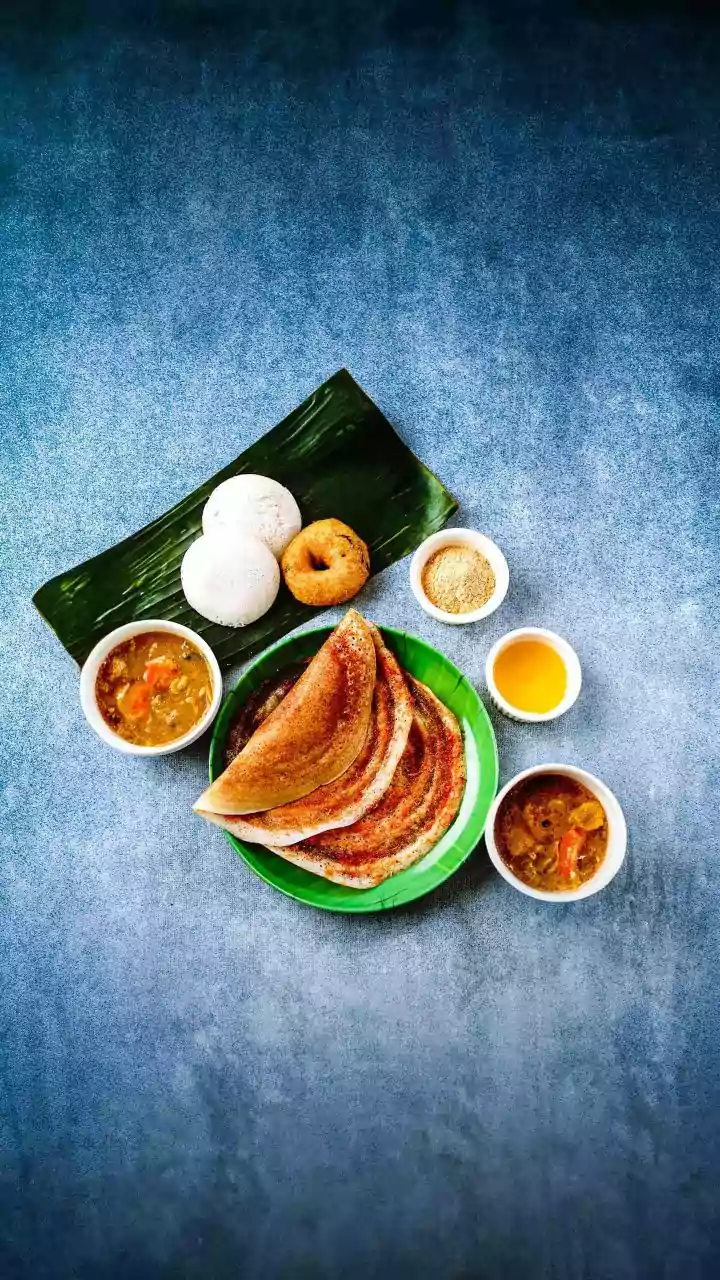
A significant driver of this trend is the renewed interest in fermentation. While dishes like idli, dosa, and dhokla have always relied on fermentation, there is now a conscious, wellness-driven movement embracing this ancient practice. The natural sourness developed through fermentation is seen as healthier and more complex. This has led to a surge in the popularity of kombucha, kefir, and artisanal pickles (achaar), which are rich in probiotics. Restaurants and food brands are creating in-house ferments to add unique acidic notes to their offerings, from kimchi-dosa wraps to kombucha mocktails. This revival connects a modern focus on gut health with traditional preservation techniques, making sourness a sign of both flavour and function.
Why We're Craving the Kick
So, why the sudden obsession with all things tangy? Several factors are at play. As Indian palates become more adventurous, there's a growing demand for bolder and more complex flavour profiles that move beyond just sweet or spicy. The wellness movement also plays a huge role, with consumers associating tangy, fermented foods with gut health and natural ingredients. Furthermore, the rise of craft gin and cocktail culture has highlighted local botanicals like kokum and Gondhoraj lime, introducing them to a new, urban audience. This convergence of culinary curiosity, health consciousness, and a celebration of regional ingredients has created the perfect storm for tangy flavours to shine.
Bringing the Tang Home
Embracing this trend in your own kitchen is easier than you think. Start by looking beyond the standard lemon. A bottle of kokum syrup can be used to make refreshing solkadhi or to add a tart note to dals. Try finding Gondhoraj limes at specialty markets to elevate a simple gin and tonic or a fish curry. Don't be afraid to experiment with tamarind paste, a cornerstone of South Indian cooking, to add sweet-and-sour depth to chutneys and sauces. You can also explore making simple fermented vegetables at home. This trend isn't about overwhelming your food with acidity, but about using it as a tool to brighten flavours and add an exciting new dimension to your everyday meals.