
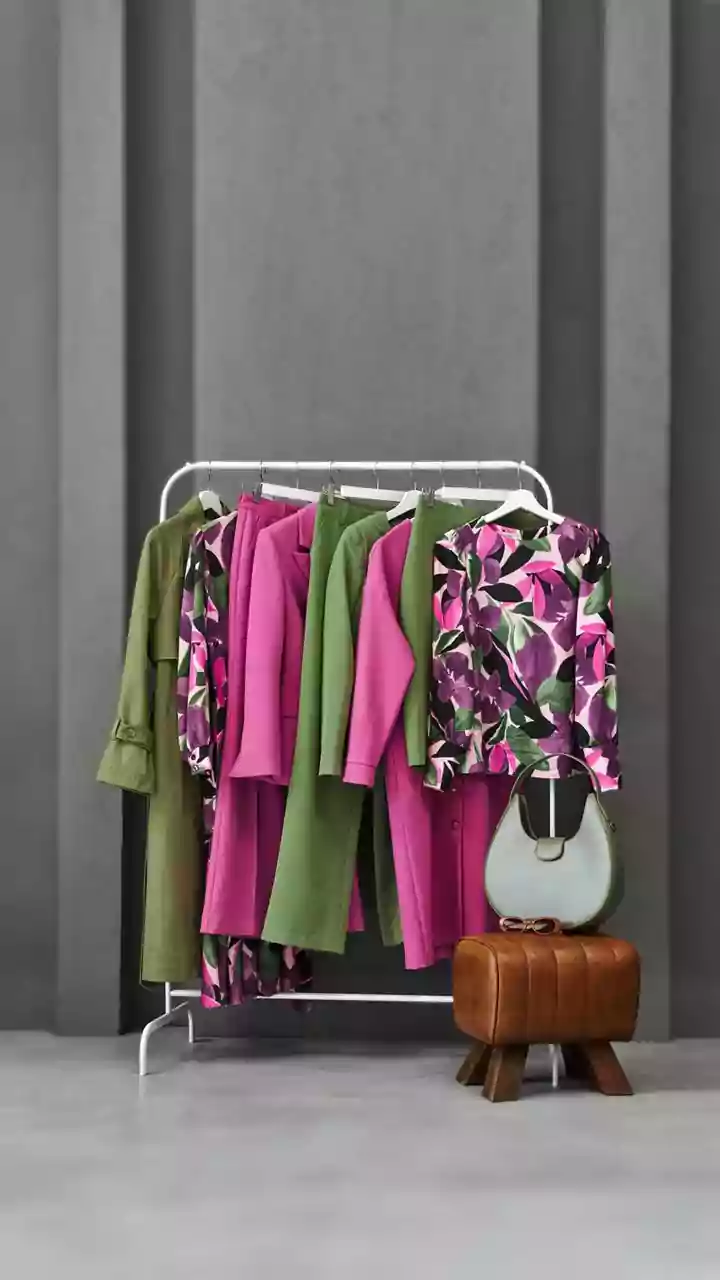
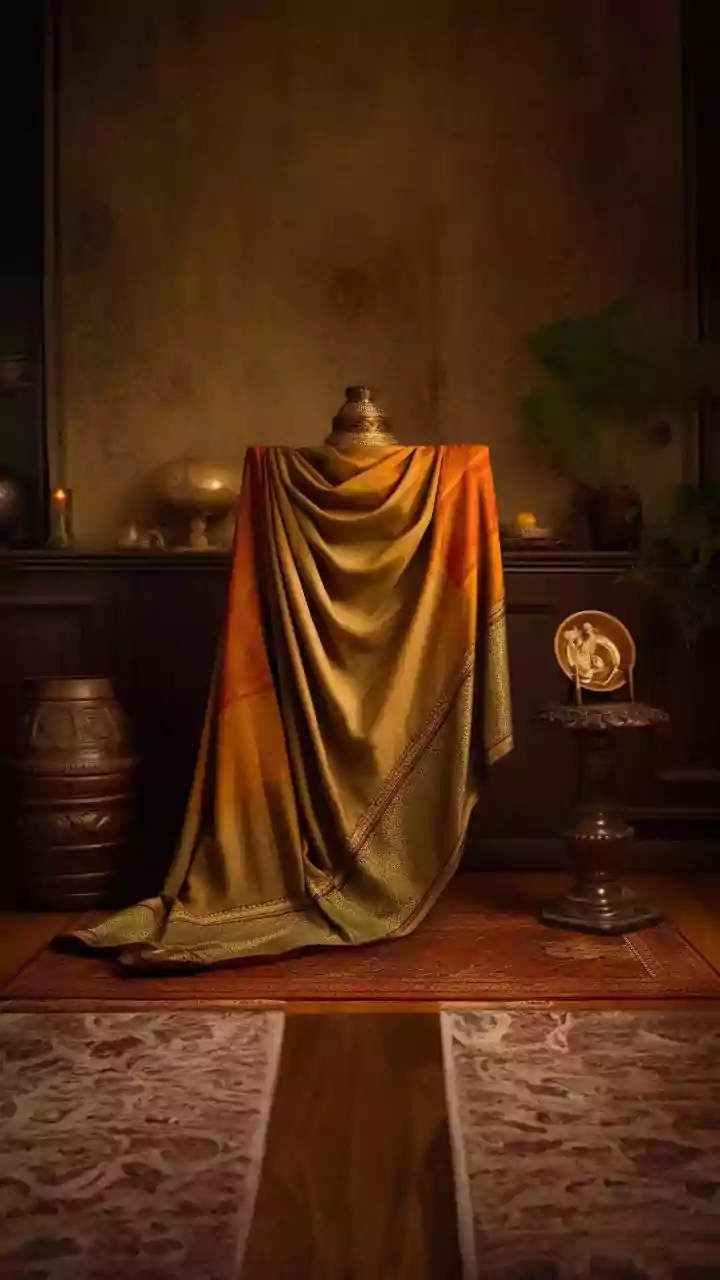
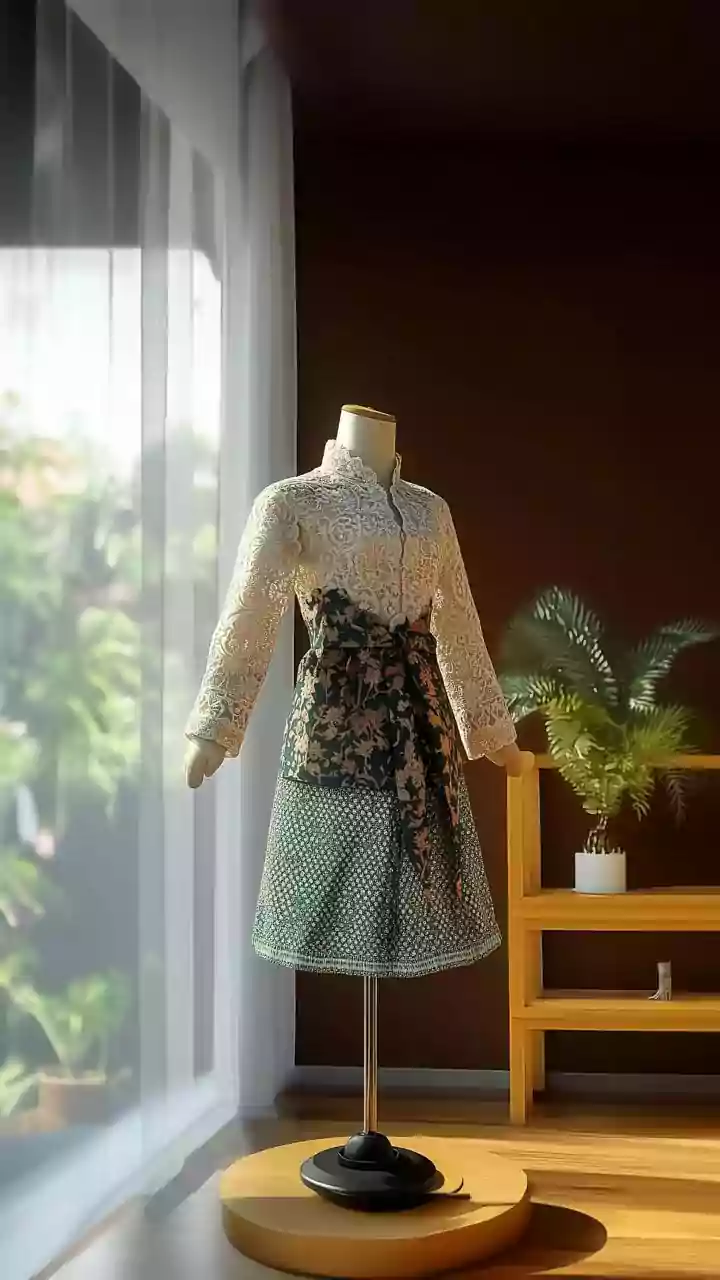

From Catwalk to Spectacle
Not long ago, a fashion show was a straightforward affair: a raised platform, a string of models, and an audience of buyers and editors. The focus was exclusively on the clothes. Now, that formula feels almost antiquated. In an age of social media saturation
and constant digital noise, brands have realised they need to do more than just present garments; they need to create unforgettable experiences. The runway has become a stage for performance art, a movie set, and an architectural installation all in one. This shift is strategic. A show that generates buzz, creates viral moments, and tells a compelling brand story can amplify a collection's reach far beyond the industry insiders in the room. It’s a transition from a trade event to a powerful cultural and marketing moment, designed to be seen by millions online.
The Room as the Narrative
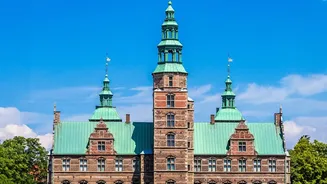
The most significant evolution is in the use of space. Set design, or scenography, is now as critical as the collection itself. Designers are no longer confined to sterile white rooms. Instead, they transform venues into immersive environments that transport the audience. Think of Chanel turning the Grand Palais in Paris into everything from a supermarket to a rocket launch site, or Jacquemus staging shows in breathtaking lavender and wheat fields. These choices are not random; they are deeply connected to the collection's theme. The venue becomes the first chapter of the story. A warehouse filled with priceless art, a hall strewn with rose petals, or a set designed to look like a nostalgic train car—each element builds a world that gives the clothes context and emotional resonance, turning a simple viewing into a sensory journey.
Let There Be (Smart) Light
Alongside the physical space, lighting has become a primary tool for storytelling. It's no longer just about making sure the clothes are visible. Modern runway lighting is a dynamic element that shapes the mood, directs focus, and enhances the narrative. It can sculpt a garment's silhouette, highlight the texture of a fabric, or create a dramatic climax. Lighting designers work to create a precise, theatrical experience, often with a clear beginning, middle, and end communicated through shifts in colour and intensity. A show might begin in near silence with a single, crisp spotlight to signal restraint, or erupt in a blaze of colour to convey energy and celebration. The lighting guides the audience's eye and emotions, ensuring each look is presented with maximum impact.
Crafting the Audience Journey
Perhaps the most holistic innovation is the focus on the 'audience journey'. This concept extends the show experience beyond the 12 minutes the models are on the runway. The journey begins the moment an invitation is received and continues long after the final bow. It encompasses every touchpoint, from how guests arrive at a hard-to-reach venue to the sounds and even smells that greet them. Brands are reconsidering everything, including seating arrangements that break from the traditional hierarchy to create a more communal or immersive feeling. Technology is also playing a huge role, with virtual reality shows, augmented reality try-ons, and interactive digital elements that allow a global audience to participate. Some shows are now even 'shoppable' in real-time, closing the gap between inspiration and transaction and making the audience active participants rather than passive observers.