






The Seasonal Assault on Your Hair
During the monsoon, the air is saturated with moisture. This excess humidity causes the hair's outer layer, the cuticle, to swell. This makes strands porous, rough, and prone to frizz. It also weakens the hair roots, leading to increased shedding and breakage.
This humid environment, combined with sweat, can also lead to an oily scalp and create a breeding ground for fungal and bacterial infections, like dandruff, which further weakens the follicles. Adding to the problem is urban smog. Pollutant particles from vehicle emissions and industrial fumes settle on your hair and scalp. These toxins can clog hair follicles, cause oxidative stress, and strip the hair of its natural oils, leaving it dry, brittle, and lifeless.
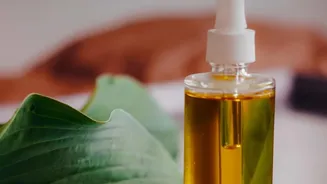
Traditional hair oiling, or 'champi', is more than a simple conditioning treatment; it's a protective ritual rooted in Ayurvedic medicine. The core principle is 'sneha', a Sanskrit word that means both 'to oil' and 'to love'. When you massage oil into your scalp, you stimulate blood circulation, which delivers more nutrients to the hair follicles, strengthening them from within. The oil itself forms a protective barrier, or an occlusive layer, on the hair shaft. This coating prevents the hair from absorbing excess moisture from the humid air, which is a primary cause of frizz. It also helps reduce the protein loss that occurs during washing, keeping the hair structure intact and resilient against breakage.
Your DIY Oiling Toolkit: The Best Oils to Use
Not all oils are created equal. Traditional Indian remedies rely on specific oils known for their unique properties. Coconut Oil is a hero ingredient because its molecular structure, rich in lauric acid, allows it to penetrate the hair shaft deeply, preventing protein loss and providing intense moisture. Amla Oil, from the Indian gooseberry, is a powerhouse of Vitamin C and antioxidants. It strengthens the roots, improves scalp health, and is believed to combat premature graying. Castor Oil is prized for its high concentration of ricinoleic acid, which helps improve circulation to the scalp. While not a magic growth stimulant, it is excellent for moisturizing, strengthening strands, and reducing breakage, which helps with length retention.
A Simple, Potent DIY Hair Oil Recipe
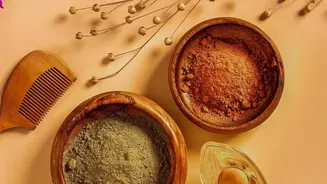
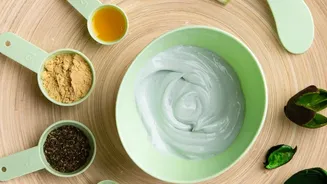
You can create your own powerful hair oil at home with just a few ingredients. This blend is designed to nourish the scalp, strengthen roots, and protect against environmental damage. You will need: 3 parts Cold-Pressed Coconut Oil (as your base), 1 part Castor Oil, and 1 part Amla Powder. Gently warm the coconut oil on a low flame—do not boil it. Stir in the castor oil and amla powder until you have a smooth, consistent mixture. Allow the blend to cool completely. For an extra boost, you can add a few drops of rosemary essential oil, which is also believed to support scalp health. Store your oil in a glass bottle. Before applying, you can warm it slightly for a more soothing experience.
The Art of Application for Maximum Benefit
How you apply the oil is just as important as the oil itself. Part your hair into small sections and apply the oil directly to your scalp using your fingertips or a cotton ball. Once your scalp is covered, gently massage it in slow, circular motions for 5 to 10 minutes. This massage is key to boosting circulation. After the scalp massage, work the remaining oil through the lengths of your hair, paying special attention to the ends, which are often the driest. Leave the oil in for at least an hour; for a deep conditioning treatment, you can leave it in overnight by wrapping your hair in a warm towel or a protective cap. When it's time to wash, use a gentle, sulfate-free shampoo. You may need to shampoo twice to remove all the residue.