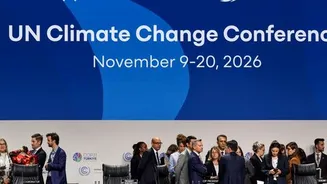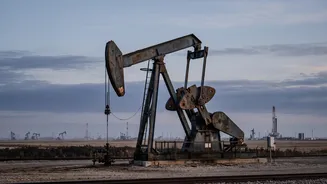




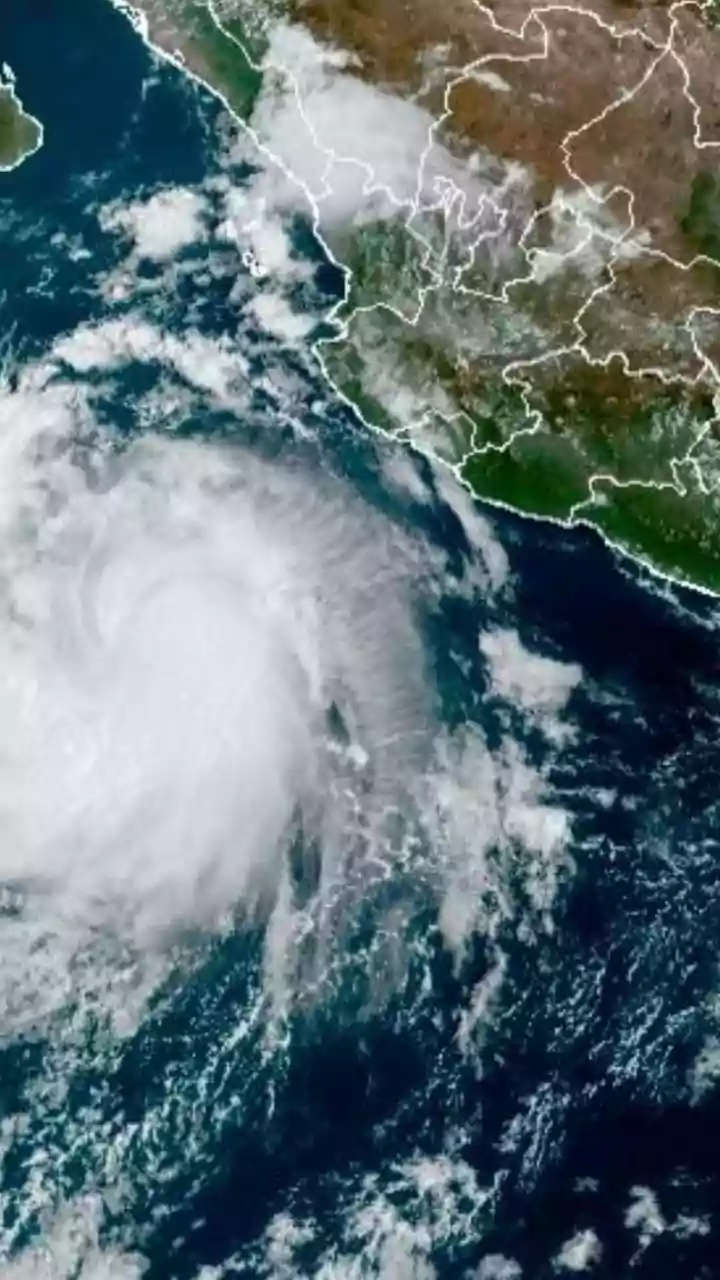

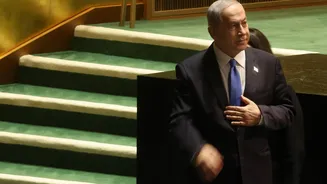

After running a record 48 hours into overtime, the COP31 climate talks in Antalya, Turkey, have ended in a stalemate. Nations failed to reach a central agreement, collapsing under the weight of deep divisions on the future of oil and gas.
What Was at Stake?
The annual Conference
of the Parties (COP) is where the world comes together to negotiate global action on climate change. This year's summit, COP31, was seen as a critical test of whether nations could build on the previous agreement at COP28 to 'transition away from fossil fuels'. The primary goal was to secure a strong political agreement, dubbed the 'Antalya Pact', that would translate that language into concrete action. The European Union, backed by over 130 countries including many climate-vulnerable island nations, pushed for an explicit commitment to 'phase-out' fossil fuels. They argued that without naming the primary cause of climate change, any agreement would be meaningless.
The Great Divide That Broke the Talks
The negotiations ultimately fractured along a familiar fault line. On one side, the EU, the UK, and nations from Latin America and the Pacific refused to endorse a final text that did not mention fossil fuels. Ireland's minister, speaking for the EU, stated they would not accept a deal that 'greenwashes fossil fuels'. On the other side, a group of nations including Saudi Arabia, China, and India argued against explicit phase-out language. These countries, part of the Like-Minded Developing Countries (LMDC) group, stressed that developed nations bore a greater historical responsibility for emissions and that any transition must be just and equitable, supported by finance and technology. The draft text's removal of specific fossil fuel references while promoting unproven carbon capture technologies was a key point of contention.
India’s Stance: A Call for Climate Justice
India played a significant role within the LMDC bloc, opposing prescriptive language on a fossil fuel phase-out. Union Environment Minister Bhupender Yadav emphasised that energy transitions must be 'nationally determined, just and equitable'. India's position is rooted in the principle of 'common but differentiated responsibilities', arguing that developed nations, having largely exhausted the global carbon budget to fuel their growth, must now lead with financial and technological support. India and its allies pointed to the lack of clear commitments from developed countries on adaptation finance, a long-standing point of friction. Without concrete financial support, developing nations argue they cannot be expected to compromise on economic growth and poverty eradication.
Not a Total Loss, But a Major Setback
While the failure to secure the main 'Antalya Pact' is a significant blow, the summit was not a complete wash. Progress was made on other important agenda items. Agreements were reached on a framework for a 'just transition', ensuring fairness for workers and communities affected by the shift to a green economy. There were also advances in discussions around the Global Goal on Adaptation and other climate finance work programmes. Furthermore, a voluntary pledge to increase electricity's share of global energy to 35% by 2035, known as the '35x35' target, gained support from numerous countries. However, these smaller victories were overshadowed by the central collapse.
Where Do We Go From Here?
The failure at COP31 means that all unresolved issues, most notably the fight over the future of oil and gas, are now automatically pushed to next year's summit, COP32, set to be held in Addis Ababa, Ethiopia. The collapse is the first of its kind in over a decade, since the Copenhagen summit in 2009, and raises questions about the effectiveness of the UN's consensus-based process. UN Secretary-General António Guterres expressed deep disappointment, stating the setback does not change the scientific facts of the climate crisis. The pressure now intensifies on individual nations to strengthen their climate plans and for diplomats to find a way to bridge the chasm between the global north and south before they meet again. The fight to keep the 1.5°C warming limit within reach has become significantly harder.