







Invest in a Fortress (Your Tent)
Your tent is your first and most important line of defence. Forget the flimsy shelters of the past. Modern tents are engineered for downpours. Look for a tent with a high 'hydrostatic head' (HH) rating, which measures its waterproofness; a rating of 3000mm
or higher is ideal for Indian monsoons. Also, a tent with a large porch or vestibule is a game-changer. This sheltered area outside the inner tent is perfect for leaving wet boots, dripping raincoats, and cooking safely without bringing the wetness inside your sleeping area. Proper setup is crucial: ensure the rainfly is taut and not touching the inner tent to prevent water from seeping through.
The Art of Layering
Staying dry is about smart layering, not just one big jacket. Think in threes. Your base layer, worn against your skin, should be a moisture-wicking material like merino wool or a synthetic fabric (never cotton, which holds moisture and makes you cold). Your mid-layer is for insulation; a fleece jacket or a synthetic puffy jacket works wonders. Finally, your outer layer, or shell, must be both waterproof and breathable. Look for fabrics like Gore-Tex or similar proprietary technologies. This system allows you to adapt to changing temperatures while ensuring that sweat escapes and rain stays out.
Everything in Its Dry Place
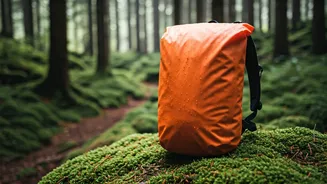
Water gets everywhere. The secret to a happy trip is compartmentalisation. Use dry sacks for all your essential gear: your sleeping bag, spare clothes, and electronics. They are lightweight, inexpensive, and an absolute lifesaver. Organise them by colour for easy access. Your backpack isn't fully waterproof, even if it claims to be. Always use a rain cover for your pack. When you get to camp, have a system. One part of your tent vestibule is for wet gear, the other for cooking. Inside, keep everything you want to stay dry away from the tent walls.
Create a Cozy Haven
If you're going to be tent-bound, make it a place you want to be. A warm, bright light source like an LED lantern or fairy lights can transform the gloomy interior into a cheerful den. Bring a book, download some podcasts, or pack a deck of cards. A comfortable, well-insulated sleeping pad is non-negotiable, as it insulates you from the cold, damp ground. And here’s a pro tip: a hot water bottle in your sleeping bag about 10 minutes before you get in is pure luxury.
Warm Food, Happy Camper
A rainy day is the perfect excuse for a hot meal. Plan for simple, one-pot meals that are easy to cook in the shelter of your tent’s vestibule. Think instant noodles with added veggies, soup packets, or ready-to-eat meals that just need heating. A reliable stove that performs well in wind and damp conditions is key. Hot drinks are also a massive morale booster. Pack extra tea, coffee, or hot chocolate to sip while you listen to the rain.
Choose Your Spot Wisely
Where you pitch your tent matters even more in the rain. Avoid low-lying areas that could turn into puddles or streams overnight. Look for a spot with good drainage, preferably on a slight incline. Don't camp directly under large trees, as they can drip water long after the rain has stopped, and in high winds, they pose a risk of falling branches. Check the ground for durability; a spot with pine needles or leaf litter is often better than bare earth, which can turn to mud.