





Why Go Back to Your Roots?
Before we dive into specific examples, let's understand why root vegetables are ideal for a 'reset'. Growing underground, they absorb a high concentration of minerals and nutrients from the soil. They are typically rich in complex carbohydrates, which
provide sustained energy without the sharp spikes and crashes associated with simple sugars. This helps stabilise your mood and energy levels. Furthermore, they are packed with fibre, which is crucial for a healthy digestive system, helping you feel lighter and less bloated. Think of them not as a restrictive 'diet' food, but as a nourishing foundation to build your meals upon.
The Vibrant Beetroot (Chukandar)
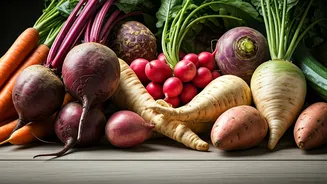
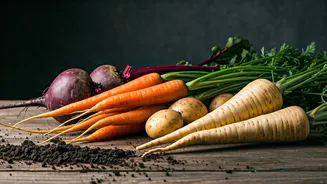
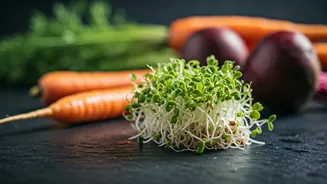
Its stunning deep-red colour is a giveaway of its potent nutritional profile. Beetroot is celebrated for its high content of nitrates, which the body converts into nitric oxide. This compound helps relax and dilate blood vessels, potentially improving blood flow and lowering blood pressure. It’s also a fantastic source of folate, potassium, and antioxidants. For athletes or anyone looking to boost their stamina, beet juice has been shown to improve endurance.How to enjoy it: You don’t need to make a complicated dish. Simply grate raw beetroot into salads for a sweet, earthy crunch. It pairs beautifully with carrots and a simple lemon dressing. You can also blend it into a smoothie or make a refreshing chukandar raita.
The Classic Carrot (Gajar)
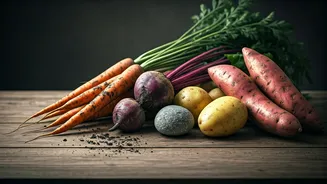
A staple in every Indian kitchen, the humble gajar is a powerhouse of nutrition. It’s most famous for beta-carotene, an antioxidant that our bodies convert into Vitamin A. This vitamin is essential for good vision, a robust immune system, and healthy skin. Carrots also provide a good amount of fibre, which aids digestion and promotes a feeling of fullness, helping to curb cravings for less healthy snacks.How to enjoy it: Beyond gajar ka halwa, carrots are incredibly versatile. Snack on them raw, shred them into a simple kachumber salad, or lightly stir-fry them with green peas for a quick and easy sabzi. A simple soup of carrot and ginger can be wonderfully warming and restorative.
The Comforting Sweet Potato (Shakarkandi)
Often associated with street-side chaat during winter, sweet potato is a fantastically comforting and nutritious choice. Unlike regular potatoes, they have a lower glycaemic index, meaning they release sugar into the bloodstream more slowly, providing you with more stable energy. They are an excellent source of fibre, vitamins C and B6, and are exceptionally high in Vitamin A. Their natural sweetness can also help satisfy sugar cravings in a healthy way.How to enjoy it: The simplest way is best. Roast them in an oven or air fryer until soft and caramelised. You can then mash them with a pinch of salt and pepper, or chop them up and turn them into a delicious shakarkandi chaat with lemon juice, chaat masala, and a sprinkle of pomegranate seeds.
The Peppery Radish (Mooli)
Often overlooked, the radish is a crisp and peppery vegetable that's brilliant for digestion. It's known to stimulate bile production, which is important for digesting fats and supporting liver function. Mooli is also extremely hydrating due to its high water content and provides a solid dose of Vitamin C, a key antioxidant for immune support and skin health. From the familiar white daikon to smaller red varieties, all types offer great benefits.How to enjoy it: While Mooli ke Parathe are a beloved classic, you can also enjoy radish raw to get its full digestive benefits. Slice it thinly and add to any salad for a zesty kick, or simply eat it as a side with your meal, sprinkled with a little black salt (kala namak).