







From 'Gateway' to Ground-Based
For the last several years, the blueprint for humanity's return to the Moon centered on the Lunar Gateway, a small space station planned for lunar orbit. It was envisioned as a staging point, a sort of orbital pit stop for astronauts traveling to the surface.
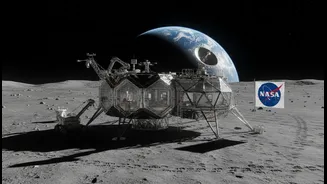
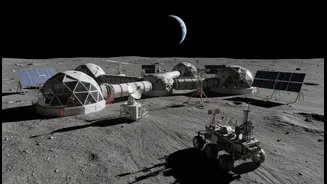
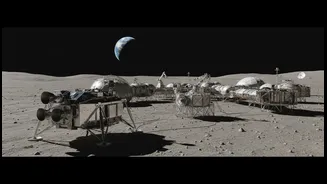
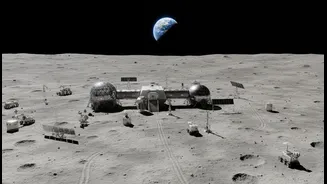
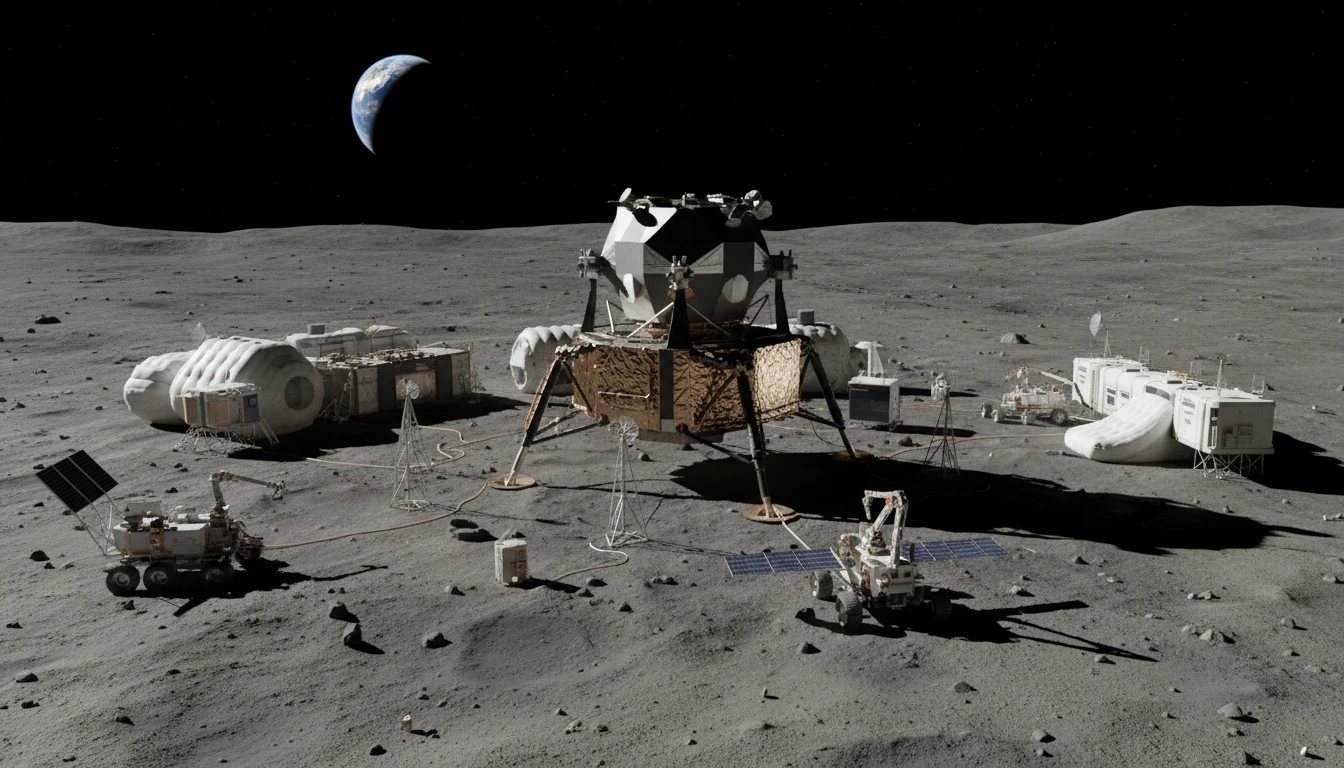
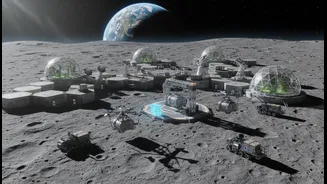
However, a major strategic pivot has occurred. NASA is now deprioritizing the Gateway in its current form, redirecting resources and focus toward establishing a permanent, sustainable presence directly on the lunar surface. This move signals a significant change in thinking: instead of building a 'way station' in orbit, the primary goal is now to build a lasting and functional base on the Moon itself, a project now simply called the Moon Base. The shift is a pragmatic response to the immense challenge of funding both a complex orbital station and a surface base simultaneously.
A Science-First Mandate
This pivot to a surface-first approach isn't just about location; it’s about purpose. The new emphasis is squarely on science and resource utilization. While the Apollo missions were about getting there and planting a flag, the Artemis program is about staying and learning. Key scientific objectives now drive the entire enterprise. A primary goal is the comprehensive study of the lunar South Pole, a region believed to hold vast quantities of water ice in permanently shadowed craters. This water is more than just a scientific curiosity; it's a critical resource that could be used for life support, and even processed into rocket fuel, fundamentally changing the economics of deep-space travel. Beyond water, astronauts will conduct advanced field geology, collecting samples from diverse sites to unlock the Moon's 4.5-billion-year-old history, which holds clues to the evolution of our entire solar system.
The New Blueprint: Phased and Commercial
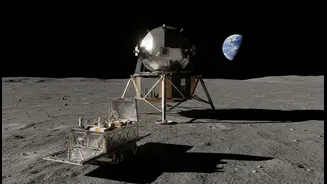
Building a Moon Base is a monumental task, and NASA is tackling it with a phased approach. The first phase, running now through 2029, involves a rapid series of robotic missions delivered by commercial partners like Blue Origin, Astrobotic, and Intuitive Machines. These missions, part of the Commercial Lunar Payload Services (CLPS) initiative, will scout landing sites, test technologies, and deliver early science experiments. Phase Two (2029-2032) will focus on assembling the first semi-permanent habitats and initiating early human habitation. Phase Three, from 2032 onwards, aims for a fully sustained human presence with routine crew rotations and continuous scientific and commercial activity. This strategy relies heavily on the private sector, not just for delivering payloads but for developing the very landers and rovers astronauts will use, a stark departure from the government-led model of the Apollo era.
What This Changes for the Future
The takeaway for the public has fundamentally changed. The Moon Base is no longer a distant, monolithic government project. It's an evolving, multi-stage platform for science and commerce. The Artemis II mission, which successfully flew astronauts around the Moon in early 2026, has already demonstrated the power of having human observers in deep space, providing insights that robotic missions alone cannot. This human element is crucial for interpreting complex geology and guiding future research. The revised Artemis timeline now sees Artemis IV, targeted for 2028, as the first crewed landing of this new era. From there, the plan is to accelerate, with frequent missions building out the base, year after year. This isn't just about returning to the Moon; it's about creating a permanent economic and scientific foothold in the solar system, with the Moon serving as a critical proving ground for the even greater challenge of sending humans to Mars.