



A Break from Convention
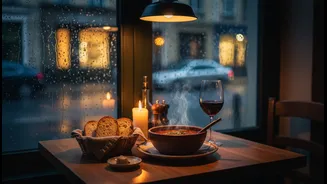
For generations, monsoons in India meant retreating indoors. The rains were a time for family, for quiet contemplation, and for enjoying comforting, home-cooked food as the weather raged outside. Going out was often reserved for necessity, not pleasure.
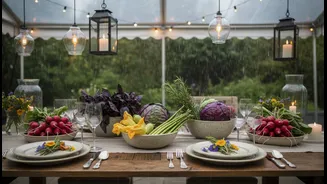
That long-held habit, however, is starting to change. A growing number of Indians are now trading cosy nights in for curated culinary experiences. Restaurants, hotels, and community organisers are tapping into the season's unique atmosphere, hosting food festivals that celebrate regional and seasonal specialities. This shift represents more than just a change in dining preferences; it signals a new desire for communal experiences and a willingness to embrace the monsoon in public, social settings. Instead of being a barrier, the rain is becoming the backdrop for a new kind of seasonal celebration.
A Culinary Tour of the Rains
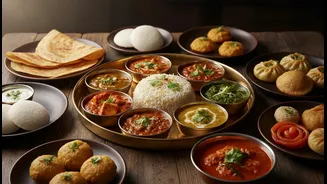
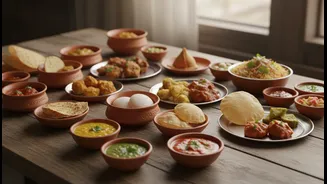
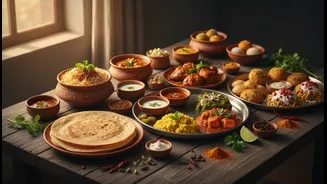
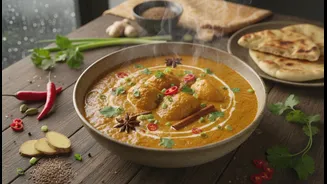
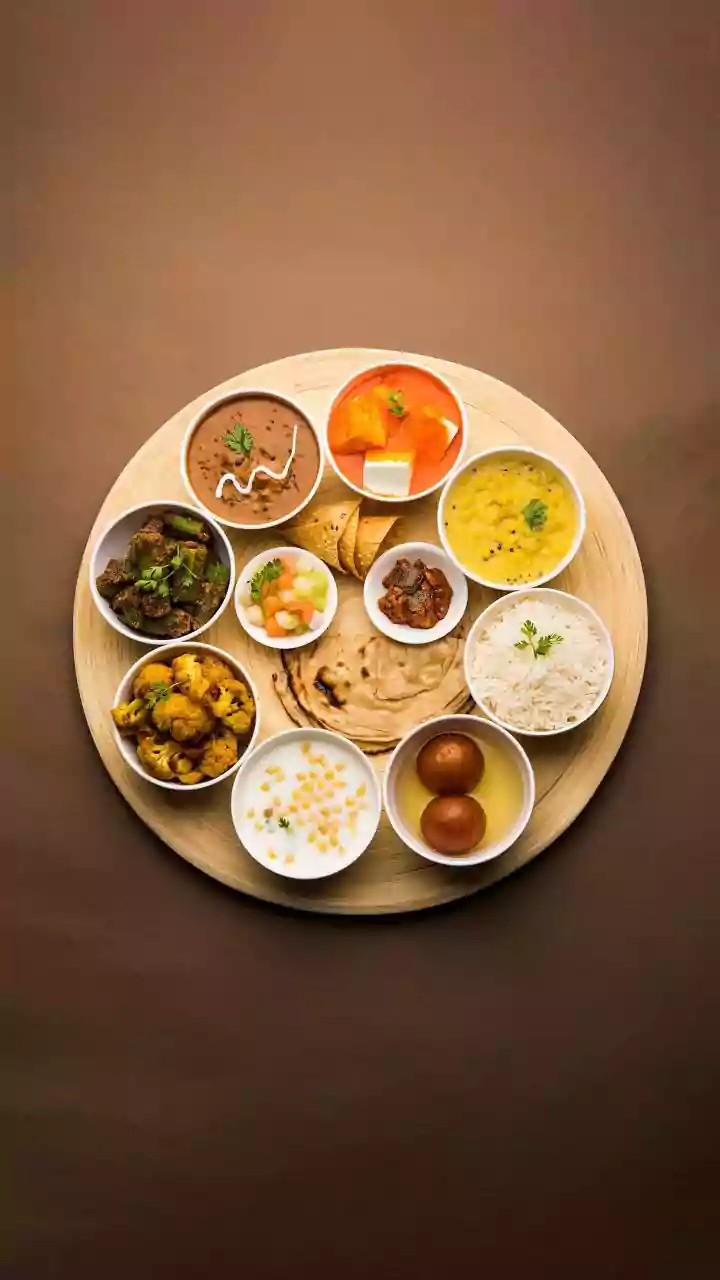
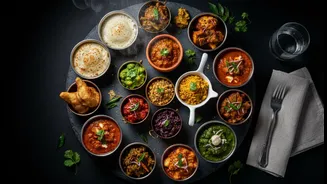
This trend is unfolding across the country, with each region putting its own unique spin on monsoon gastronomy. In West Bengal and the Sundarbans, the Ilish Festival, or Hilsa Utsav, is a major draw throughout July and August. Tour operators offer multi-day packages that combine boat cruises through the mangrove forests with elaborate feasts celebrating the prized hilsa fish, prepared in dozens of traditional ways. In Mumbai, hotels are hosting dedicated street food festivals, bringing favourites like Vada Pav, Samosa Chaat, and Kheema Paratha into a festive setting, often with a view of the rain-swept Arabian Sea. Meanwhile, in New Delhi and Gurugram, luxury hotels are curating menus that showcase everything from the royal cuisines of Lucknow and Hyderabad to the diverse tribal foods of the seven sister states of the Northeast.
Celebrating Seasonal Ingredients
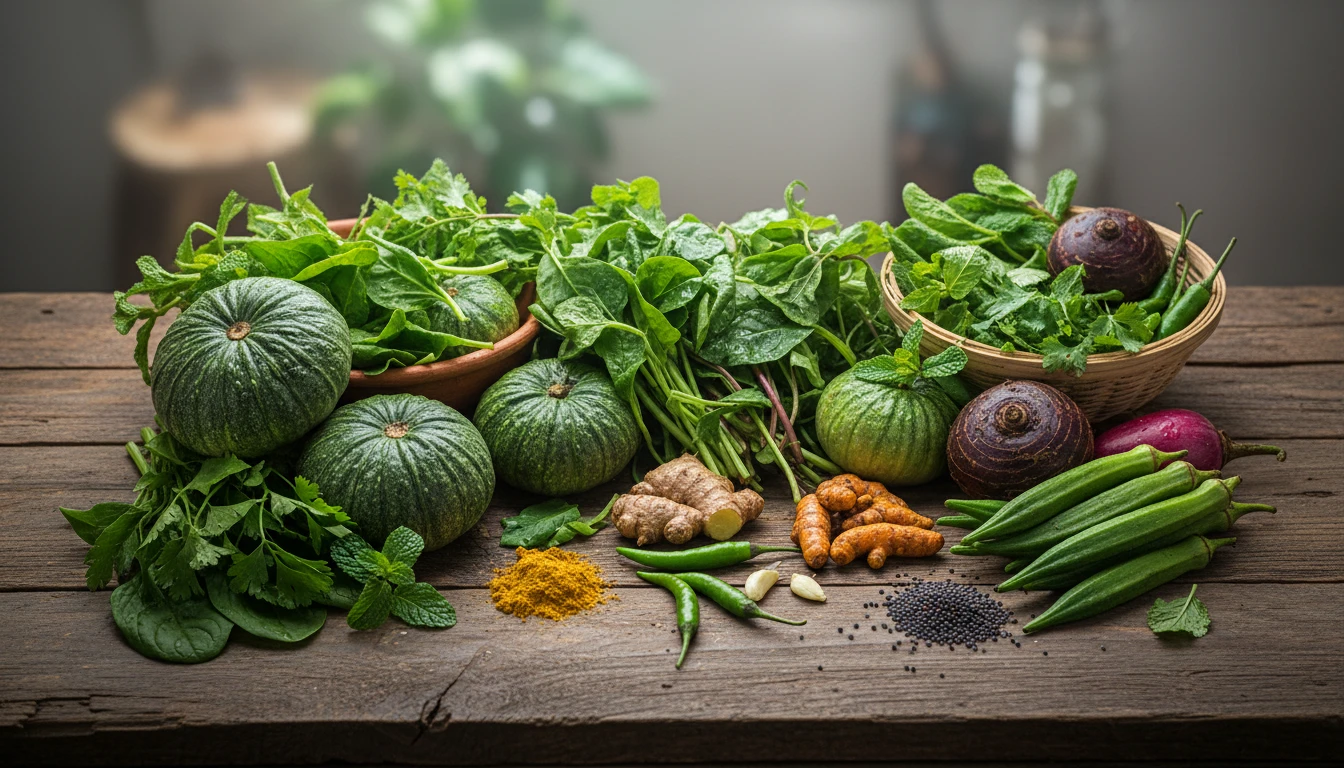
Many of these festivals are deeply connected to what the season provides. In Kerala, the month of Karkidakam (July-August) is traditionally a time for wellness and rejuvenation, which is reflected in its food. Karkidaka food festivals showcase medicinal and seasonal dishes designed to be healthy and fortifying during the monsoon. Further north, restaurants are designing entire menus around comforting rainy-day flavours. Pop-ups and special menus in cities like Bengaluru feature dishes like hot Jhol Momos, Dal Dhokli, and various chaats, all designed to offer a warm, savoury respite from the damp weather. These events highlight not just taste, but also the deep-rooted cultural connection between food, weather, and well-being in India.
More Than Just a Meal
The rise of these festivals is also a boon for local economies and culinary artisans. They provide a platform for chefs, small businesses, and home cooks to showcase their skills and preserve regional recipes that might otherwise be confined to family kitchens. For attendees, it's an opportunity to explore the country's vast culinary diversity without extensive travel. Organisers are creating immersive experiences that often include more than just food. Events like the Sundarban Hilsa Festival incorporate jungle safaris, folk dance performances, and village tours, turning a food festival into a mini-vacation. Similarly, many city-based events feature curated music and decor to enhance the monsoon vibe, transforming a simple dinner into a memorable night out. This blend of food, culture, and entertainment is proving to be a powerful draw.