






The End of an Era: So Long, 60-Day Stays
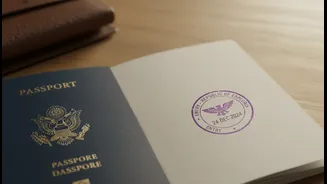
The big news is the official end of the temporary 60-day visa-free entry scheme that covered 93 countries, including India. Introduced in mid-2024 to turbocharge post-pandemic tourism, this popular policy is being scrapped. In its place, the Thai government
has rolled out a more structured, tiered system. Under the new rules announced in July 2026, a smaller list of 59 countries will now be granted a 30-day visa-free stay. This move marks a significant shift away from the wide-open-door policy of the past two years, returning to a more controlled approach to tourism that balances economic benefits with other national priorities.
Security and Strategy Over Sheer Numbers
While the headline points to a tourism slowdown, the Thai government's official reasoning tells a different story. The primary drivers for the policy change are national security and the misuse of the extended visa-free period. Officials reported that the 60-day stay was being exploited by some foreigners for illegal work, running unauthorised businesses, and other criminal activities. The overhaul is designed to close these security loopholes under a new principle of “one country, one entitlement,” which aims to simplify overlapping visa privileges and enhance screening. This suggests the decision is less about a dip in tourist arrivals and more about cracking down on individuals who abuse the system, ensuring tourism remains sustainable and lawful.
A Pivot from Volume to Value
So, is tourism actually slowing down? The data shows a slight dip. For the first half of 2026, foreign arrivals were down about 3.1% compared to the same period last year. However, this small decline doesn't capture the full picture. The Tourism Authority of Thailand (TAT) has signalled a strategic pivot from focusing purely on visitor numbers to increasing the amount each tourist spends. The government is aiming to attract more “high-spending” and niche visitors, such as those interested in wellness, sports, or business events. This shift to a 'quality over quantity' model means the government is willing to accept slightly fewer visitors if it leads to higher overall revenue and a more sustainable tourism industry.
The Silver Lining for Indian Travellers
Here’s where the story gets particularly interesting for travellers from India. While the 60-day scheme is gone, India has emerged as a winner in this reshuffle. An initial proposal in May 2026 threatened to remove India from the visa-free list altogether, a move that caused immediate confusion and a drop in bookings from what is Thailand’s third-largest tourist market. Realising the economic impact, the Thai cabinet reversed course. Instead of being relegated to a cumbersome Visa on Arrival (VoA), India has now been formally granted 30-day visa-free entry. This is a major upgrade from the pre-2024 VoA system and provides more stability and convenience for the vast majority of Indian tourists, whose average stay is about seven days.
What You Need to Know Before You Book
With the rules changing, planning is key. For Indian passport holders, travel to Thailand remains straightforward: you can enter without a visa for up to 30 days. This is more than enough time for typical holidays. For those planning a longer trip, you will need to apply for a 60-day tourist visa in advance. Regardless of your length of stay, one rule is now universal: all foreign visitors must complete the free Thailand Digital Arrival Card (TDAC) online before their trip. The changes are set to take effect 15 days after being published in the Royal Gazette, so it is always wise to check the latest official updates from the Royal Thai Embassy before finalising your travel plans.