




The Community Energy of Dance
Dance classes are inherently social. From the moment the music starts, you are part of a collective, moving together, sharing a rhythm, and creating something as a group. This shared experience fosters a powerful sense of community and belonging. Working
with partners or in small groups builds collaboration and trust, while the shared goals of learning choreography spark conversation and mutual encouragement. Research shows that this social bonding is a key benefit, with rhythmic synchronization in a group setting enhancing feelings of closeness and interpersonal liking. For those who thrive on external energy and enjoy making new friends, the vibrant, interactive environment of a dance class can be incredibly motivating and emotionally rewarding. It’s an expressive outlet that allows you to connect with others through the universal language of movement.
The Introspective World of Yoga
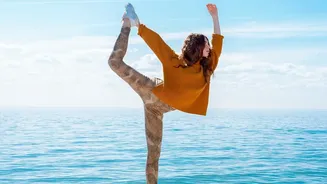
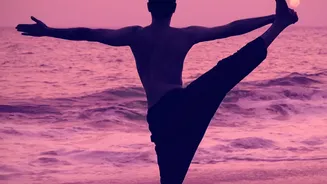
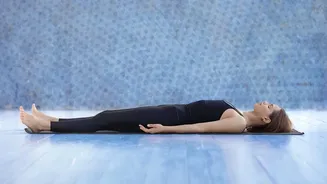
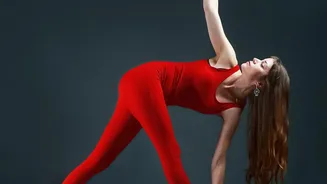
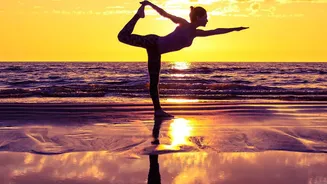
Yoga, in contrast, often emphasizes an inward journey. Your mat becomes a personal space, a sanctuary where the focus shifts from the group to your own body, breath, and mind. While many practice in group classes, the essence of the practice is deeply personal and introspective. It encourages self-reflection and mindfulness, helping you build a deeper understanding of your own thoughts and emotions. This focus on self-awareness is powerful for stress reduction, as it activates the body's relaxation response and can help lower levels of stress hormones like cortisol. For those seeking a quiet escape from an overstimulated world, a solo yoga practice offers a chance to tune in, process thoughts, and move at your own pace without distraction. The goal is less about synchronized perfection and more about personal alignment and inner peace.
Aligning Practice with Physical Goals
Your fitness objectives can also guide your choice. Dance is a cardiovascular powerhouse, excellent for improving heart health, stamina, and coordination. The constant movement and rhythmic patterns provide a full-body workout that burns calories and builds muscle. Styles like Zumba offer a high-energy aerobic session, while ballet and contemporary dance can significantly improve coordination and balance.Yoga is renowned for enhancing flexibility, balance, and strength. Many poses require you to support your own body weight, which builds functional strength, particularly in the core. It lengthens muscles, improves range of motion, and can help correct posture, reducing strain on the spine. While dance also improves flexibility, yoga's dedicated focus on stretching and holding poses often yields more significant gains in this area.
Nourishing Your Mental Well-being
Both practices are potent tools for mental health, but they work in different ways. Dance often serves as a joyful and expressive outlet for stress. The act of moving freely to music can be therapeutic, releasing endorphins that act as natural mood elevators. It allows for emotional expression and can boost confidence as you master new steps and routines.Yoga's calming effect comes from its emphasis on controlled breathing and meditation. This mindful approach helps reduce anxiety and improve mental clarity by encouraging a focus on the present moment. Regular practice can lead to better sleep, heightened self-awareness, and a greater sense of overall well-being.
It’s Not Always a Strict Binary
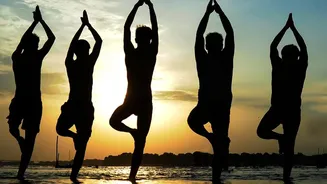
It's important to remember that these distinctions are not absolute. The line between group connection and solo practice can blur. You can find deeply connected communities in a yoga studio, where shared energy enhances motivation and fosters a sense of belonging. Research even shows that synchronized movement in a group yoga class can trigger a greater release of endorphins. Conversely, dance can be a deeply personal and solo practice, a way to move and express yourself freely in your own space. The choice also depends on the specific style and the instructor. An energetic, fast-paced Ashtanga yoga class feels very different from a quiet, meditative solo dance session.