




Water-Heavy Melons
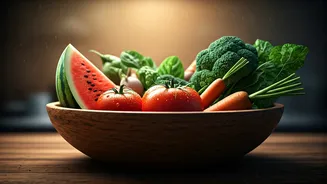
Watermelon, cantaloupe, and muskmelon are icons of summer, but their extremely high water content can be a double-edged sword during intensely humid weather. According to principles from traditional wellness systems like Ayurveda, the digestive system is
thought to be weaker when the weather is damp and overcast. Consuming very watery and cooling fruits can, for some people, lead to a feeling of bloating, water retention, and digestive sluggishness. From a modern food safety perspective, the porous rinds of melons can also be a concern. If grown in soil saturated by heavy rains, they can pick up contaminants. Once cut, the high sugar and water content make them a perfect breeding ground for bacteria, a risk that accelerates in a warm, humid kitchen. If you do enjoy melons, be sure to wash the rind thoroughly before cutting and consume them immediately.
Berries and Other Delicate Fruits
Who doesn't love a fresh strawberry, raspberry, or blueberry? Unfortunately, their delicate nature makes them prime candidates for spoilage in high humidity. These fruits have a very short shelf life and are highly susceptible to mold, which thrives in damp conditions. A pint of perfect-looking raspberries can turn fuzzy overnight on a humid countertop. While not inherently bad for you, consuming fruit that is even slightly past its prime can introduce mold and bacteria that may cause digestive upset. During rainy seasons, it’s even more critical to inspect berries carefully before purchase, store them in a cool and dry place (like the fridge), and eat them quickly. Washing them just before eating, rather than in advance, can also help slow down the spoilage process.
Pre-Cut or Bruised Produce
Convenience is king, but those plastic containers of pre-cut fruit are a significant gamble during periods of high heat and humidity. Any time a fruit's skin is broken—whether by a knife at a processing facility or a simple bruise from being dropped—it creates an entry point for bacteria. In a warm, damp environment, that bacteria can multiply rapidly. This isn’t just a risk for melons but for any fruit sold cut, from pineapple spears to mixed fruit salads. You have no way of knowing how long ago it was cut or the conditions under which it was handled. To minimize your risk, it’s always safer to buy whole fruits and cut them yourself at home right before you plan to eat them. This simple step gives you full control over the hygiene and freshness of your food.
Heavy and Hard-to-Digest Fruits
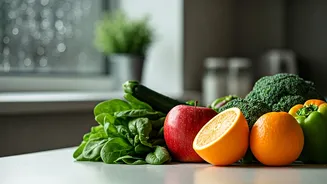
While less common in the typical American diet, fruits like raw jackfruit or durian are known for being particularly 'heavy' and difficult for the body to break down. This idea aligns with the traditional belief that the digestive 'fire' is lower during damp seasons. Even for fruits we know well, this principle can apply. For instance, an apple is fantastic, but eating too many raw, fibrous fruits might feel taxing on a digestive system that already feels slow and bloated from the weather. Instead, the recommendation is often to lean toward lighter, slightly acidic, and easily digestible fruits. Think of things like cherries, peaches, and plums. These provide nutrients and sweetness without overburdening a sensitive gut. Some traditions even suggest lightly cooking fruits—like in a stewed apple or pear compote—to make them even easier on your system during this time.