








Prioritise Daily Ventilation
One of the most effective habits is to simply let fresh air in. [10] Trapped, stagnant air allows moisture from cooking, showering, and even breathing to build up, creating the perfect environment for mould and mildew to thrive. [2, 5] Make it a daily
ritual to open windows and doors for at least 15 minutes, even in cooler weather, to create cross-ventilation that pushes stale, moist air out. [4, 18] Using exhaust fans in the kitchen while cooking and in the bathroom after a shower is also crucial for removing moisture at the source. [11, 14] For rooms without good window access, a simple fan can help circulate the air and prevent that stuffy feeling. [1]
Don't Let Damp Laundry Linger
Wet clothes are a primary culprit for musty smells, especially in humid climates. Leaving a load of wet laundry in the washing machine for even a few hours can lead to mildew growth. [20] Get into the habit of moving clothes to the dryer or hanging them up immediately after the wash cycle finishes. [7] The same rule applies to damp towels; instead of leaving them in a pile on the floor, hang them where they can air out and dry completely. [16] This simple step prevents your bathroom and laundry area from becoming hotspots for damp odours. [17]
Wipe Down Wet Surfaces Immediately
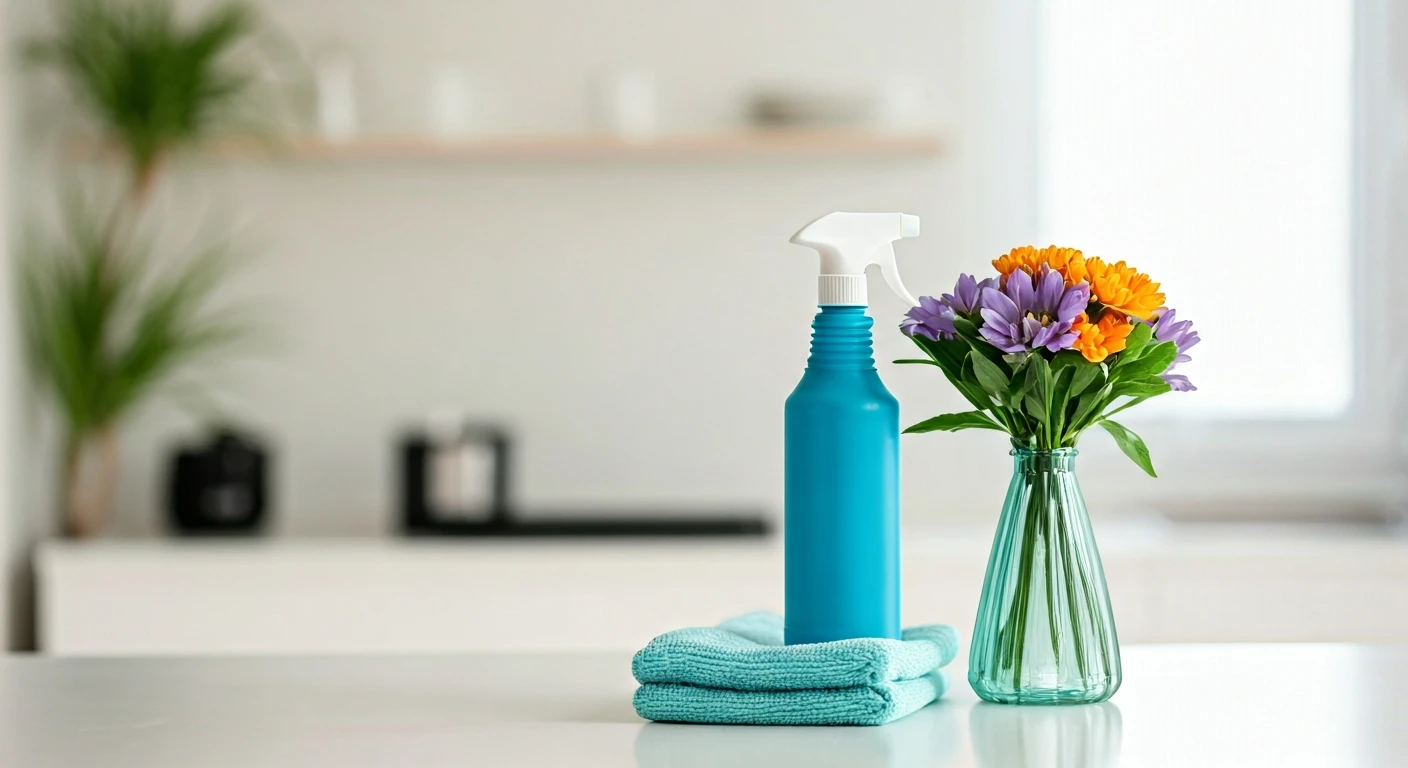
Moisture is the main ingredient for musty smells, so don't let it settle. Make it a habit to quickly wipe down wet surfaces around your home. This includes shower walls and doors after you use them, kitchen counters after cooking, and any spills on floors or windowsills. [10, 16] Keeping a squeegee or a microfibre cloth handy in the bathroom can make this a quick, two-minute task. [16] Addressing these small spots of moisture prevents the cumulative build-up that allows mould and mildew to take hold. [12]
Strategically Manage Closets and Wardrobes
Closets are often dark, unventilated spaces where damp smells can easily develop. Avoid packing clothes too tightly to allow air to circulate between them. [7] If you're storing seasonal clothing, ensure it is completely dry before putting it away. For added protection in wardrobes and drawers, consider using natural moisture absorbers. Small bowls of baking soda or activated charcoal are highly effective at absorbing both moisture and odours. [5, 15] Regularly leaving closet doors ajar can also help improve airflow and prevent mustiness.
Use Natural Deodorisers Proactively
Instead of waiting for a bad smell to appear, use natural deodorisers to maintain a fresh environment. Baking soda is a powerhouse for absorbing odours; place an open box in the fridge or sprinkle it in the bottom of your trash can. [13, 18] Bowls of activated charcoal can be placed in bathrooms, basements, or closets to absorb ambient moisture and smells. [4] For a pleasant scent, you can simmer natural ingredients like lemon peels, cinnamon sticks, or cloves on the stove. [8, 9] These methods address odours without adding chemicals to your air.
Perform Regular, Quick Checks
Incorporate small checks into your regular cleaning routine. Once a week, take a quick look under sinks in the kitchen and bathrooms for any signs of slow leaks or condensation on the pipes. [2] A small, undiscovered drip is a constant source of moisture that can lead to a powerful musty smell. [12] Also, check that your HVAC filters are clean, as dirty filters can circulate mould spores and dust throughout your home. [19] Catching these small issues early is key to preventing bigger odour problems down the line. [10]