







From Comfort Food to Wild Feasts
For generations, the Indian monsoon has been synonymous with a specific set of foods. We crave the oily, crunchy, and spicy—samosas, bhajjis, and corn on the cob roasted over coals. These are foods of comfort and nostalgia. While these classics remain
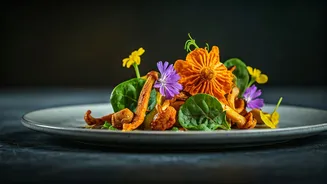
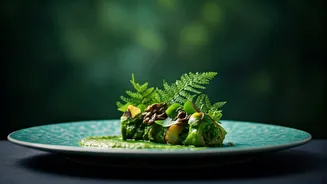
eternally popular, a sophisticated shift is underway in the country’s top kitchens. Progressive chefs are interpreting the season not just through the lens of comfort, but through the lens of abundance. The monsoon transforms the landscape, awakening dormant flora in forests and hillsides. And this natural bounty is now the star of some of the most exciting menus in the country.
The Forager’s Monsoon Basket
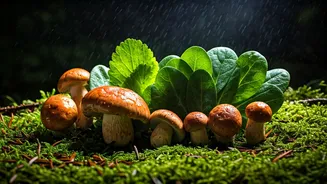
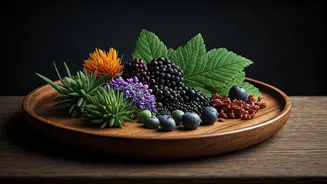
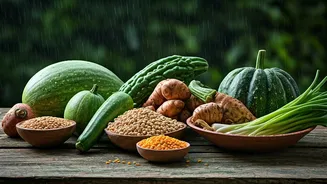
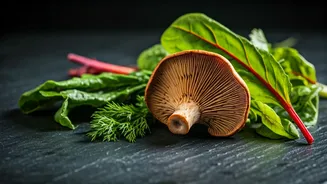
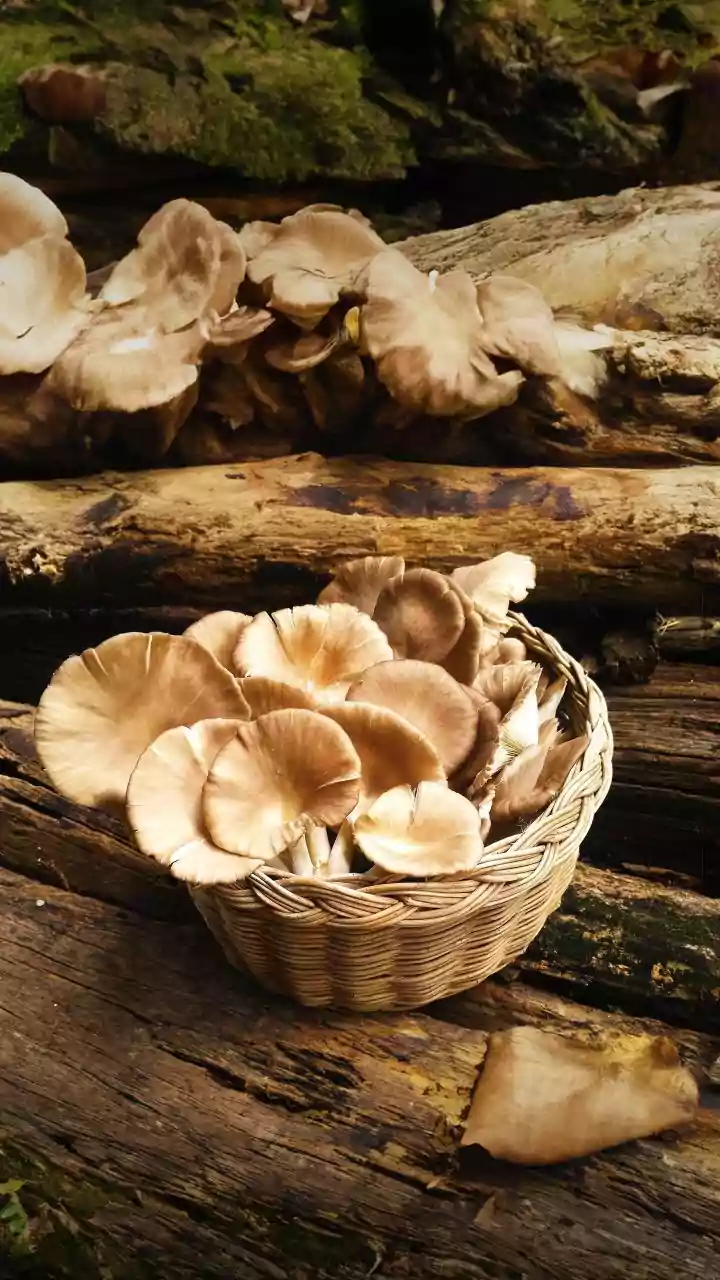
So what exactly are these ‘forest flavours’? Think less of cultivated produce and more of what can be responsibly foraged. We're talking about ingredients that thrive in the wild, damp ecosystem of the Indian monsoon. One of the most celebrated is the fiddlehead fern, known as *lingdi* in Maharashtra or *dhekia xaak* in Assam. These tightly coiled green shoots have a unique, earthy flavour, reminiscent of asparagus and green beans. Then there are the mushrooms. While morels (*gucchi*), foraged from Himalayan foothills, are a prized delicacy, the monsoon also brings a variety of other local fungi, each with its own distinct texture and taste. Tender bamboo shoots, colocasia leaves (*patrode*), wild berries, and forgotten greens like amaranth leaves (*chaulai*) and purslane (*kulfa*) are also making their way from forests and fields onto fine-dining plates.
Chefs as Culinary Custodians
This movement isn't happening by accident. It’s being driven by a generation of chefs who see themselves as more than just cooks; they are culinary storytellers and custodians of biodiversity. By building relationships with local foragers and tribal communities, these chefs are not only sourcing unique ingredients but also helping to preserve traditional knowledge. Restaurants in regions like the Western Ghats, the Northeast, and the Himalayan foothills are at the forefront of this trend. Their menus change almost daily based on what the forager brings in that morning. This approach, often called ‘hyper-localism,’ celebrates the specific terroir—the unique taste of a place imparted by its soil, climate, and ecosystem. A dish of wild mushrooms from Coorg will taste distinctly different from one made with ferns from Uttarakhand, and that’s the point.
A Deeper Connection to Nature
Embracing forest flavours is more than just a culinary fad; it’s a philosophical shift. In a world of globalised supply chains, eating food that grew wild just a few kilometres away offers a powerful sense of connection to our environment. It encourages us to eat seasonally and sustainably, appreciating ingredients at their peak freshness. This trend also brings economic benefits to the local communities who have been the traditional keepers of this foraging knowledge. By creating a market for these wild ingredients, restaurants provide a valuable source of income that is both sustainable and respectful of indigenous practices. It is a form of dining that nourishes not just the body, but also the local ecosystem and culture.