





Lakshadweep: India’s Tropical Marvel
Once a well-kept secret, Lakshadweep is now poised to become India’s premier luxury island destination. The archipelago, a collection of 36 coral islands in the Arabian Sea, is capturing attention for its pristine beaches and vibrant marine life. Major
developments are underway, including the introduction of India's first overwater villas by the Taj Group on Suheli and Kadmat islands, expected to open by 2026. These eco-conscious resorts aim to offer a world-class alternative to destinations like the Maldives, focusing on sustainable luxury. The government's investment in infrastructure, such as expanding Agatti airport and improving internet connectivity, is making the islands more accessible. For travellers seeking serene beaches, exceptional diving, and a chance to experience a 'digital detox', Lakshadweep’s untouched beauty makes it a top contender for 2027.
Ziro Valley, Arunachal Pradesh: A Cultural Sanctuary
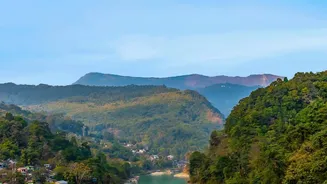
Tucked away in the mountains of Arunachal Pradesh, Ziro Valley offers a journey into a world of serene landscapes and rich tribal heritage. This UNESCO World Heritage tentative site is home to the Apatani tribe, known for their unique sustainable agricultural practices, including an intricate system of paddy-cum-pisciculture. Ziro isn’t just about scenic beauty; it’s an immersive cultural experience. Visitors can explore traditional Apatani villages, trek through the Talley Valley Wildlife Sanctuary, or simply soak in the panoramic views from Kile Pakho ridge. The valley has gained fame for the Ziro Music Festival, an outdoor event that draws artists and fans from across the country. For travellers in 2027 looking for a blend of nature, culture, and tranquility far from the crowded tourist trails, Ziro Valley is a perfect choice.
Shekhawati, Rajasthan: The Open-Air Art Gallery
For those who believe history and art are best experienced outside of museums, the Shekhawati region in Rajasthan is a revelation. Often called the 'open-air art gallery of Rajasthan', this area is dotted with towns like Mandawa, Nawalgarh, and Fatehpur, famous for their grand havelis (mansions) adorned with intricate frescoes. These paintings, created by wealthy Marwari merchants in the 18th and 19th centuries, depict everything from mythological tales to scenes of the British Raj and the advent of modern technology like trains. Unlike Rajasthan's more famous cities, Shekhawati offers a quieter, more intimate glimpse into the state's merchant history. Many havelis have been converted into heritage hotels, allowing visitors an authentic stay. It's an ideal destination for history buffs, photographers, and anyone seeking the road less travelled.
Khonoma, Nagaland: A Beacon of Sustainability
Known as Asia’s first 'green village', Khonoma in Nagaland is a powerful story of community-led conservation. Once a village of hunters, the Angami community here made a collective decision in 1998 to ban hunting and logging, establishing the Khonoma Nature Conservation and Tragopan Sanctuary. This initiative has led to a remarkable recovery of local wildlife, including the endangered Blyth's Tragopan. The village is a living example of sustainable living, from its sophisticated terraced fields used for growing over 60 varieties of rice to its community-driven tourism model. Visitors can stay in homestays, learn about Angami traditions, and explore the lush forests with local guides. Khonoma proves that travel can be a force for good, making it a deeply meaningful destination for conscious travellers in 2027.
The Emerging Trend: Meaningful Travel
The destinations highlighted for 2027 reflect a broader shift in what Indian travellers are seeking. According to recent travel trend reports, there is a growing desire for 'growth getaways' and experiences that offer more than just relaxation. Travellers are increasingly looking for purpose, whether it's through cultural immersion, learning new skills, or connecting with nature. This includes a trend towards 'signal severance'—choosing destinations that allow for a digital detox and a chance to disconnect from daily pressures. The rise of eco-tourism and a focus on sustainability are no longer niche interests but are becoming central to travel decisions. Places like Khonoma and Ziro perfectly align with this mindset, offering trips that are not only memorable but also enriching and responsible.