




The Kitchen's New Protein Powerhouse
The ingredient changing the game for home cooks is unflavored whey protein powder. For years, it was typecast as a post-workout recovery drink for bodybuilders, but its true potential is far greater. Think of it not as a supplement, but as a high-protein
flour or thickener. Derived from milk during the cheese-making process, whey is a complete protein, meaning it contains all nine essential amino acids your body needs. Its neutral taste and fine texture allow it to be seamlessly integrated into a wide range of recipes, from breakfast to dinner, without overpowering other flavors.
From Shaker Bottle to Sauce Pan
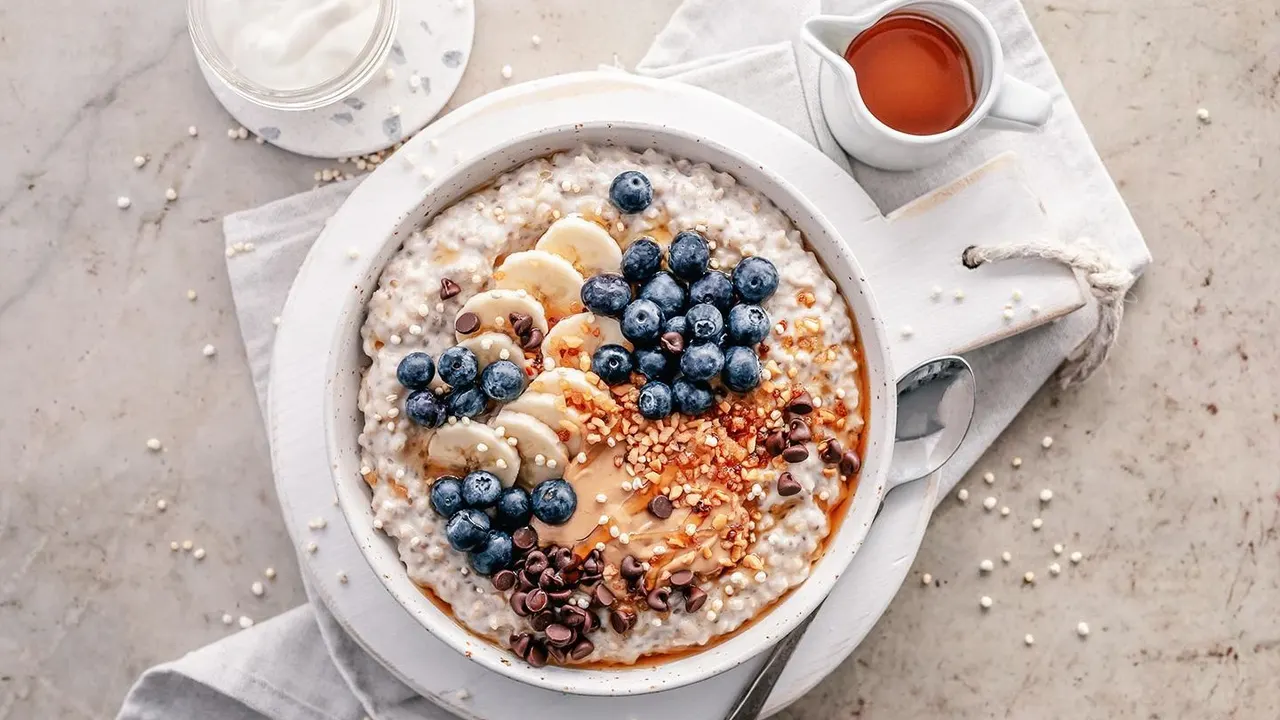
So why is whey powder suddenly appearing in everything from pancakes to soups? The shift is driven by a broader interest in functional foods and the desire for convenient, healthy meals. People are looking for simple ways to make their favorite foods more nutritious. A scoop of unflavored whey can be stirred into morning oatmeal, blended into pancake batter, or mixed into yogurt to create a more filling and satisfying meal. It can also be used in savory applications, like thickening a creamy soup or a sauce, adding a protein punch without significantly altering the volume or taste of the dish.
Getting Started: Simple Ways to Use It
Getting started with whey in the kitchen is surprisingly easy. For a simple breakfast boost, stir a scoop into your porridge or Greek yogurt. This enhances creaminess and keeps you feeling full longer. You can also add it to pancake and waffle batter, typically substituting about one-third of the flour with protein powder. For a savory twist, try whisking it into mashed potatoes, creamy soups, or even hummus for an invisible protein lift. Blending it into smoothies with fruits and vegetables remains a classic, quick, and nutrient-dense option.
Tips for Successful Protein Cooking
Cooking with whey protein does come with a small learning curve. One of the most common mistakes is using too much, which can result in a dry or rubbery texture, especially in baked goods. A good rule is to never let protein powder make up more than a third of your dry ingredients. Whey protein also tends to make baked items drier, so adding a moisturizing ingredient like banana, pumpkin puree, or yogurt can help maintain a tender crumb. When baking, it's often wise to lower your oven temperature slightly, for instance from 350°F to 325°F, to prevent your creations from drying out too quickly. Also, be careful not to overmix your batter, as this can lead to a tough final product.
Choosing the Right Powder
Not all protein powders are created equal. For cooking, an unflavored whey protein isolate or concentrate is your most versatile option. Isolates are more processed to remove fat and lactose, resulting in a higher protein percentage (often 90% or more) and a milder taste. Concentrates are slightly less processed and can work well too. For baking, some cooks prefer a blend of whey and casein protein. Casein is another milk protein that absorbs more liquid and can help keep baked goods moist, though it may require you to adjust the liquid in your recipe.