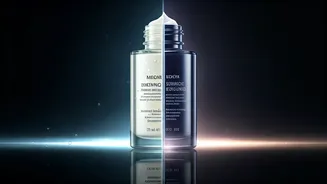









The Core Difference: Protection vs. Repair
The fundamental distinction between your AM and PM skincare routines lies in their primary goal. Think of your morning routine as your skin's defence team, preparing it to face the day's environmental stressors. Its main job is to protect your skin from
UV rays, pollution, dirt, and other external aggressors. In contrast, your nighttime routine is the recovery crew. While you sleep, your skin switches into repair and regeneration mode. During these crucial hours, cell turnover accelerates, and your skin works to heal damage sustained during the day. Therefore, your evening regimen should focus on cleansing away the day's grime and providing active ingredients to support this natural restorative process.
Your Morning Mission: Shield and Defend
A morning skincare routine is all about prevention and protection. It doesn't need to be complicated, but it should be consistent. The key steps include a gentle cleanse to remove any oil and residue from overnight, followed by an antioxidant serum. Antioxidants like Vitamin C are crucial for defending against free radicals generated by sun and pollution. After your serum, apply a lightweight moisturizer to hydrate the skin. The final, non-negotiable step is a broad-spectrum sunscreen with an SPF of 30 or higher. This is the most critical product in your morning lineup, as it protects against premature aging and skin damage caused by UV rays. Applying products from thinnest to thickest consistency ensures they can be properly absorbed.
Your Nightly Task: Repair and Regenerate
As your skin enters its natural repair cycle overnight, your skincare should support and enhance this process. The evening is the best time for a more thorough cleanse, especially if you wear makeup or sunscreen. Many experts recommend double cleansing, starting with an oil-based cleanser to break down products, followed by a water-based one. Nighttime is also the ideal window to use targeted treatments with active ingredients. This includes products like retinoids, which boost collagen production and accelerate cell turnover, or chemical exfoliants like glycolic acid. These ingredients can increase sun sensitivity, which is why they are best used at night. Finish with a richer, more nourishing moisturizer or night cream to lock in hydration and support the skin barrier as you sleep.
A Synergistic Partnership for Healthy Skin
Viewing your morning and night routines as two halves of a whole is the key to effective skincare. They work in synergy. The protective measures you take in the morning, particularly applying sunscreen, prevent the very damage your nighttime routine works so hard to repair. Skipping your AM routine leaves your skin vulnerable, potentially undermining the restorative progress you made overnight. Conversely, failing to properly cleanse and treat your skin at night means you're not giving it the tools it needs to regenerate. Debris and pollution left on the skin can lead to irritation and breakouts, while skipping potent night treatments means missing a key opportunity for renewal. Everyone's skin can benefit from having two distinct routines, regardless of skin type.
Customizing Your Dual Approach
While the core principle of protection versus repair remains universal, you can and should tailor the specific products to your skin type. If you have oily skin, you might opt for gel-based moisturizers in the morning and a lightweight night cream. Those with dry skin may benefit from richer, creamier formulas around the clock and hydrating ingredients like hyaluronic acid and ceramides. Similarly, sensitive skin types should be cautious with active ingredients like retinol, starting slowly, and may prefer mineral-based sunscreens. The goal isn't to follow a rigid, one-size-fits-all plan but to apply the day-and-night logic using products that make your skin feel its best. By committing to both a morning and evening routine, you provide your skin with the consistent, comprehensive care it needs to stay healthy and radiant.