




The Triple Threat: Rain, Night, and New Roads
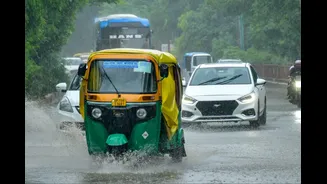
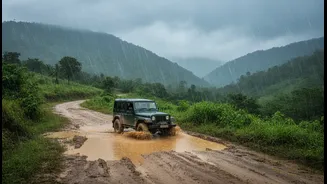
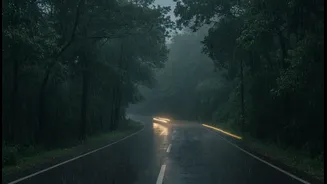
Driving in the hills during the monsoon is a challenge, but arriving after sunset on a road you've never travelled before is a gamble. The combination of factors creates a uniquely dangerous situation. Heavy rain drastically reduces visibility, hides
deadly potholes, and makes roads slippery, increasing your car's braking distance. At night, these problems are magnified. Your headlights can only do so much, creating a small bubble of visibility in a landscape where hazards like fallen rocks or mud on the road can appear with no warning. Add an unfamiliar route to the mix, and you lose your ability to anticipate sharp curves or steep descents, making a safe drive significantly harder.
Landslides and Flash Floods: Nature's Unpredictable Force
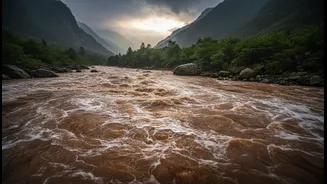
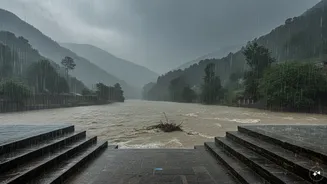
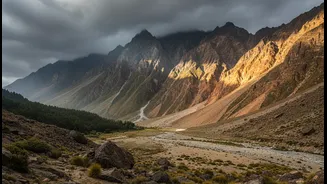
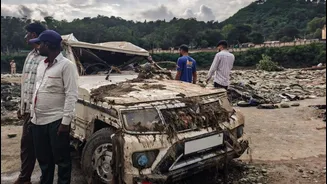
The primary danger during heavy monsoon weather in the hills is the instability of the terrain. Prolonged, intense rainfall saturates the soil, dramatically increasing the risk of landslides and mudslides. These can range from minor rockfalls to massive debris flows that can sweep away entire sections of road. According to advisories from the India Meteorological Department (IMD), heavy rainfall can trigger landslides and block key highways, particularly in vulnerable states like Uttarakhand and Himachal Pradesh. Driving at night makes it nearly impossible to spot the early warning signs, such as a trickle of mud, tilted trees, or small rockfalls. Similarly, streams and rivers can swell into raging torrents in minutes, leading to flash floods that can wash away roads and vehicles. A seemingly shallow stretch of water can hide a powerful current or a washed-out road surface.
Why 'Trusting the GPS' Can Be a Mistake
While navigation apps are indispensable tools, they can sometimes be dangerously unaware of real-time ground conditions in remote hilly areas. A mapped road may be technically open but practically impassable due to a recent landslide or severe waterlogging. During heavy rains, local authorities often issue advisories and close certain routes, but this information may not immediately reflect on digital maps. Relying solely on a GPS can lead you down narrow, unmaintained, or recently damaged village roads that are far more treacherous than the main highways. It is crucial to supplement digital navigation with local knowledge. Always check for official traffic advisories and, if possible, speak with locals or authorities about the safest route to your destination.
Your Pre-Travel Monsoon Safety Checklist
Safe travel is all about preparation. Before you even start your engine for a monsoon hill trip, follow this essential checklist. First, check your vehicle thoroughly. Ensure your tyres have good tread, your brakes are responsive, and your headlights, taillights, and wipers are in perfect working order. Second, check the forecast. Monitor detailed weather updates from the IMD, paying attention to district-level warnings for heavy rainfall, not just state-level forecasts. Third, plan your timing. Start your journey early in the morning to ensure you reach your destination well before sunset. Build buffer time into your itinerary to account for potential delays from traffic or weather. Finally, pack an emergency kit. This should include a first-aid kit, extra water, non-perishable snacks, a powerful torch, and fully charged power banks.
On The Road: Smart Driving for Monsoon Conditions
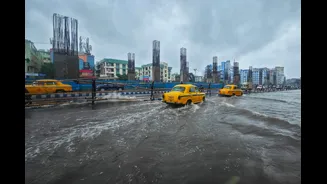
Once you are on the move, adapt your driving to the conditions. Reduce your speed significantly; a good rule of thumb is to drive at least one-third slower than the posted speed limit on wet roads. Maintain a much larger following distance from the vehicle ahead of you. Avoid sudden braking or sharp turns, which can cause your vehicle to skid. On descents, use a lower gear to control your speed rather than relying solely on your brakes, which can overheat. Keep your headlights on low beam even during the day to increase your visibility to others; high beams reflect off rain and fog, worsening your own view. If you encounter a road that is waterlogged, avoid driving through it if you can't be sure of the depth. It only takes about a foot of water to make a car float.