


The Golden Heart of Indian Kitchens
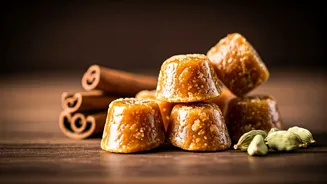
Before refined white sugar became a pantry staple, there was 'gur', or jaggery. This unrefined natural sweetener, made from concentrated sugarcane or palm sap, is a cornerstone of traditional Indian cuisine. Unlike white sugar, which is stripped of all
nutrients during processing, jaggery retains a wealth of minerals. It’s prepared by boiling the raw sap until it thickens and solidifies, resulting in a product that is as close to its natural source as possible. The colour of jaggery can range from a light golden-brown to a deep, dark brown, and its flavour is complex—a delightful mix of caramel, molasses, and a subtle earthiness that white sugar simply cannot replicate. This depth of flavour is precisely why it’s not just a sweetener, but a flavouring agent in its own right.
Why Jaggery Is A Smarter Swap
While often touted as a 'healthy' alternative, it’s important to have a balanced perspective. Jaggery is, at its core, a sugar. However, the way it’s processed gives it a distinct advantage. Because it is unrefined, organic jaggery retains trace minerals like iron, magnesium, and potassium that are completely absent in processed sugar. Its composition also includes molasses, which contains antioxidants. Some traditional medicine systems also credit jaggery with aiding digestion and purifying the blood, though these benefits are best understood in the context of a balanced diet. The key takeaway is that while it should still be consumed in moderation, jaggery offers a more nutrient-dense and flavourful profile than its highly processed counterpart, making it a smarter, more wholesome choice for your family's sweets.
Choosing and Storing Your Jaggery
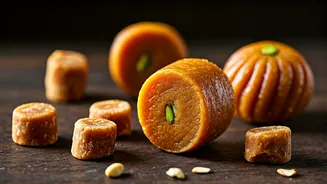
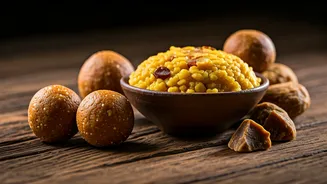
Walking into a store, you might find jaggery in several forms: solid blocks (the most traditional), granular or powdered (for easy measuring), and even liquid. The source also matters. Sugarcane jaggery is the most common, but you'll also find date palm jaggery ('Nolen Gur' or 'Khajur Gur'), which has a unique, smoky sweetness prized in Bengali sweets. When buying, look for organic jaggery that is dark in colour; a darker hue often indicates a richer flavour and less processing. It should feel hard and not be sticky or moist. To store it, break the block into smaller pieces, place them in an airtight container, and keep it in a cool, dry place. Proper storage is key to preventing it from absorbing moisture and becoming soft.
Mastering the Swap: A Practical Guide
Replacing sugar with jaggery isn't always a one-to-one substitution, but it’s easy once you know the basics. As a general rule, you can use an equal amount of powdered jaggery for sugar by volume. However, since jaggery is less sweet than refined sugar, you might need to add a little more to achieve the same level of sweetness. Taste as you go! For recipes requiring melted sugar, you can melt jaggery in a pan with a little water over low heat. Be cautious when adding jaggery to milk-based sweets like kheer or payasam. Add the jaggery only after you’ve turned off the heat and let the milk cool slightly; adding it to boiling milk can cause it to curdle.
Heritage Sweets That Shine with Jaggery
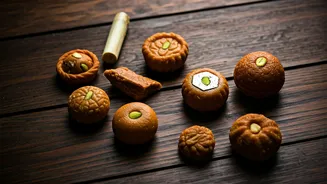
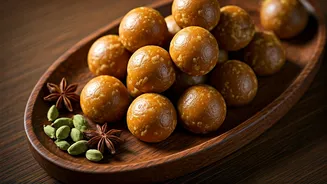
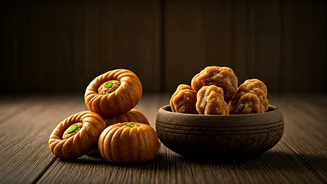
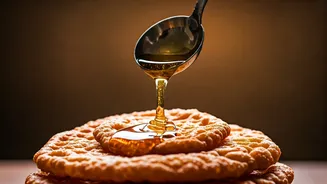
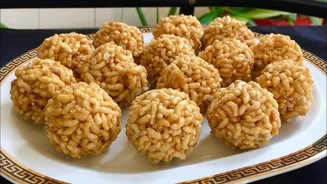
Certain sweets are simply transformed by the use of jaggery. For Puran Poli, using jaggery in the lentil filling creates a darker, richer, and more complex flavour that pairs beautifully with the ghee. In coconut laddoos ('Narkel Naru'), jaggery not only adds a gorgeous caramel colour but also a chewy texture that is deeply satisfying. For a classic Til Gud Laddoo made during Makar Sankranti, jaggery is the non-negotiable star, providing the sticky binding and earthy sweetness that defines the treat. In South India, 'Adhirasam', a deep-fried pastry, owes its entire character to the specific consistency of its jaggery syrup. Experimenting with these recipes is a delicious way to connect with authentic culinary traditions.