




As concrete jungles expand, they become unlikely new habitats. From leopards in Mumbai to foxes in London, wild animals aren't just surviving in cities—they're adapting in remarkable ways, offering a live look at evolution in action.
The New Urban Normal
When you think of
urban wildlife, pigeons and rats might be the first creatures that come to mind. But across the globe, a much wider and more surprising menagerie is adapting to city life. Coyotes navigate the suburbs of North American cities, foxes den in quiet London gardens, and wild boars forage in European parks. This isn't just a case of animals being pushed out of their habitats; for many, cities offer a wealth of resources. Abundant food from bins and human generosity, a lack of natural predators, and new types of shelter in buildings and parks are turning urban areas into viable ecosystems. This has triggered what scientists call human-induced rapid evolutionary change, where species adapt their behaviours and even their bodies to thrive alongside us.
Smarter, Bolder, and Nocturnal
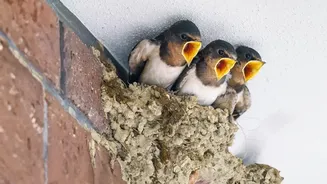
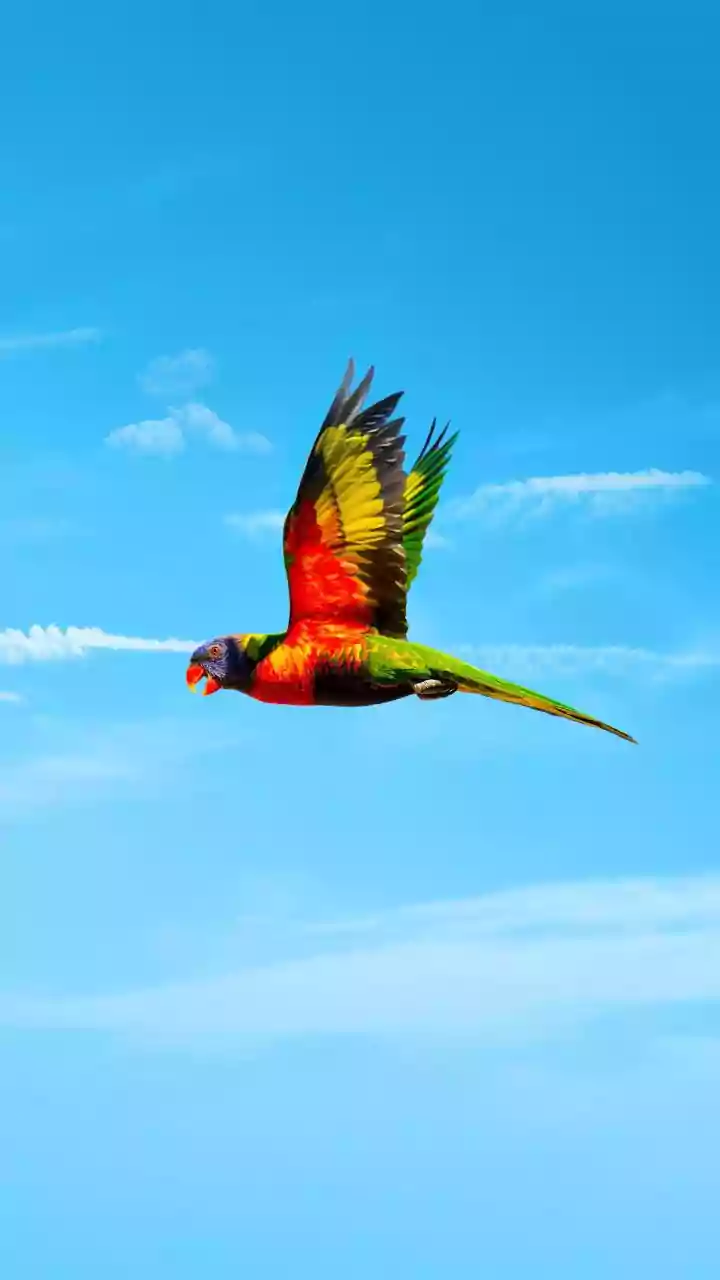
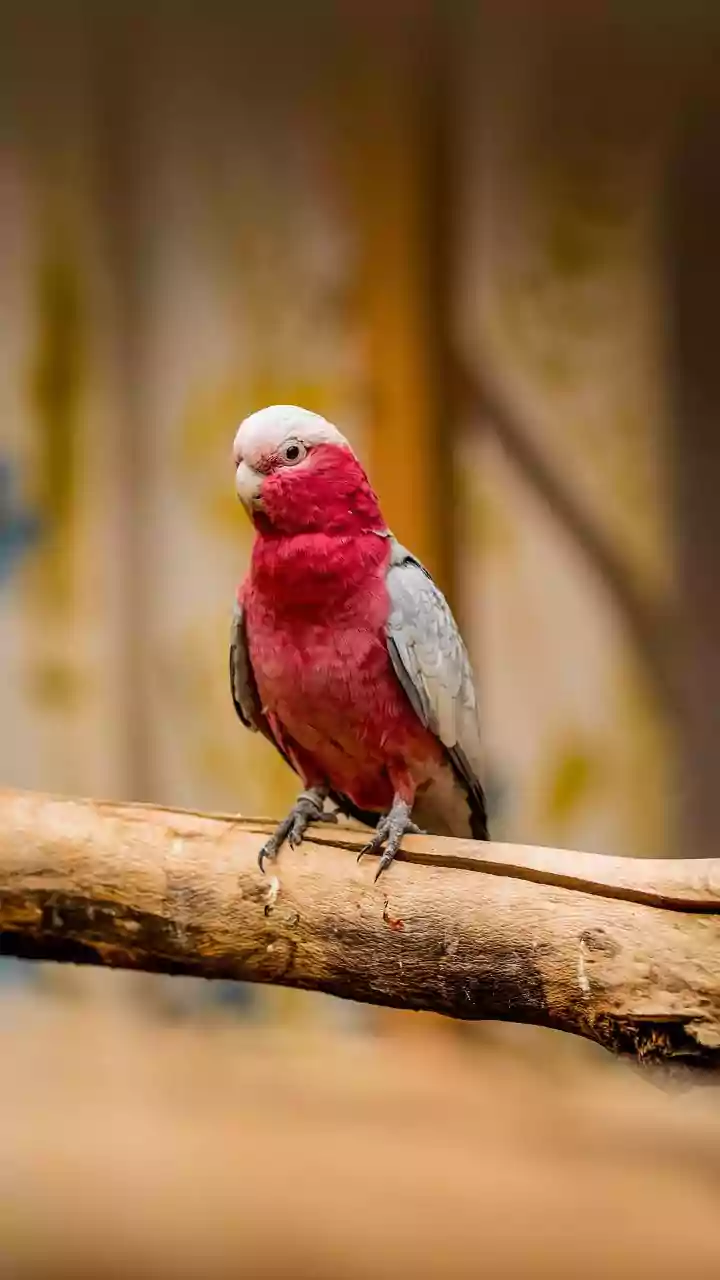
The most common adaptation is behavioural. To avoid the hustle and bustle of human activity, many animals simply shift their schedules, becoming more active at night. This increased nocturnal activity allows them to forage and move around with fewer disturbances. Urban animals also tend to be bolder and less fearful of humans. Studies have shown that city-dwelling coyotes are more willing to investigate new things than their rural counterparts, and birds become accustomed to the constant noise and presence of people. This boldness extends to finding food, with some species displaying remarkable intelligence. Sulphur-crested cockatoos in Sydney, for instance, have learned how to open garbage bins, a skill that has spread through the population as they learn from one another.
An Indian Story: Leopards and Macaques
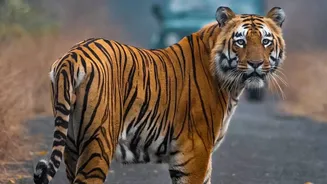
India offers some of the most dramatic examples of urban adaptation. Mumbai is unique for having a thriving population of about 50 leopards living within its city limits, primarily in and around Sanjay Gandhi National Park. These big cats have adapted to the dense human landscape by becoming largely nocturnal and preying on stray dogs and pigs that gather near garbage dumps. This allows them to avoid direct conflict with the millions of people they live alongside. Similarly, in Delhi, rhesus macaques have become true urbanites. They navigate the city using everything from temple walls to metro lines, having learned the rhythms of human life, including our waste cycles, to survive. These cases highlight a complex relationship of coexistence, driven by the animals' incredible flexibility.
Evolving Before Our Eyes
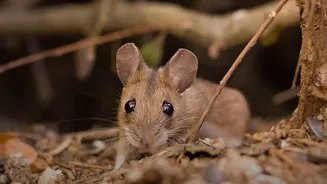
Beyond behaviour, some animals are undergoing physical, evolutionary changes. In cities, the constant low-frequency drone of traffic has led some bird species, like the great tit in Europe, to sing at a higher pitch to ensure their calls are heard by potential mates. In Puerto Rico, crested anole lizards living in urban areas have evolved larger, stickier toe pads that are better suited for climbing smooth, man-made surfaces like painted walls and glass, compared to their forest-dwelling relatives who are adapted to rough tree bark. Even mice in New York have shown genetic shifts that may help them better digest fatty human foods like discarded pizza and fast food. These are not slow, generational changes; they are rapid adaptations to the unique pressures of the urban environment.
A Complicated Coexistence
While this adaptability is fascinating, it also creates challenges. Human-wildlife conflict is an inevitable consequence when animals and people share the same space. Encounters can lead to property damage or, in rare cases, attacks. Moreover, a diet of human leftovers is often high in calories but low in nutrients, which can impact long-term animal health. However, urban wildlife also provides significant benefits. They help control pest populations, pollinate plants, and act as indicators of an ecosystem's health. For many city dwellers, spotting a wild animal offers a vital connection to nature, reducing stress and improving mental well-being.