






A Mid-Air Security Scare
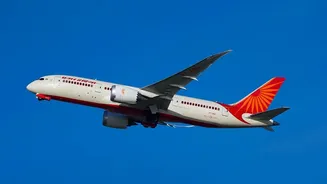
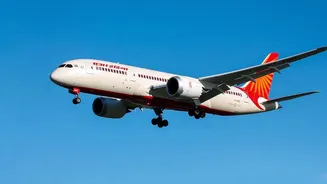
On October 14, Air India flight AI2030, a Boeing 787 Dreamliner carrying 293 passengers and 13 crew members from Frankfurt to Delhi, was ordered to divert and land in Jaipur. The reason was anything but routine: Air Traffic Control (ATC) had detected
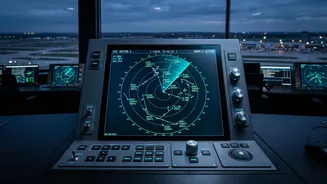
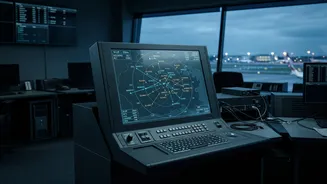
that the aircraft was transmitting 'Squawk 7500', the universal transponder code for unlawful interference, or more commonly, a hijacking. The signal sent alarm bells ringing through India's aviation security establishment. As per standard procedure for such a grave alert, the aircraft was immediately directed away from its intended destination and landed safely at Jaipur International Airport, where it was guided to a remote isolation bay and met by security forces. Passengers were deplaned, and the aircraft underwent extensive security checks.
What is 'Squawk 7500'?
In aviation, a 'squawk' code is a four-digit number assigned to an aircraft so that air traffic controllers can identify it on their radar screens. While most codes are for routine identification, a few are reserved for universal emergencies. Code 7500 is one of the most serious. It is a discreet way for a flight crew to signal to the ground that the aircraft is under duress from a hijacking or other hostile act, without having to make a potentially dangerous verbal radio call. Activating this code triggers an immediate and massive response on the ground, including alerting security and anti-terror agencies and potentially scrambling fighter jets. The procedure is designed to be deliberate; on a modern aircraft like the Boeing 787, pilots must manually input the four digits, making an accidental trigger extremely unlikely, according to aviation experts.
A Tale of Two Stories
Here is where the incident becomes a mystery. The pilots of flight AI2030 have reportedly told investigators from the Directorate General of Civil Aviation (DGCA) that they did not enter the 7500 code. They maintained that the flight was operating normally and that they were unaware of any emergency until contacted by ATC. This directly contradicts the signal received by controllers. Investigators are now tasked with solving this puzzle. One theory being explored is a potential technical glitch, possibly linked to a newly installed radar system at the Mumbai ATC that may have generated a false alert. Another possibility, however remote, is an inadvertent selection in the cockpit. The DGCA's probe will involve examining flight data recorders and cockpit voice recorders to determine the origin of the signal.
The Official Response and Procedure
Regardless of the conflicting accounts, once a 7500 signal is received, protocol is paramount. The response was by the book: the flight was diverted, isolated, and inspected. Air India released a statement confirming the flight was diverted due to a 'perceived security concern' and that the aircraft and crew were cleared after necessary checks by security agencies. Passengers, after undergoing security screening, reboarded the same aircraft with the same crew to complete their journey to Delhi. While this decision to allow the same crew to fly on raised some questions, it also suggested that authorities were quickly convinced the threat was not genuine. The Civil Aviation Minister has stated that any potential changes to security norms will only be considered after the DGCA completes its investigation.