








An Answer to the Loneliness Epidemic
It is no secret that young adults are reporting high levels of loneliness. Various studies have labeled Gen Z the “loneliest generation,” a paradox for a cohort that is more digitally connected than any before it. Some reports indicate that nearly half
of Gen Z often feel lonely, a situation exacerbated by the pandemic, which disrupted crucial years of social development. But rather than passively accepting this reality, many are taking matters into their own hands. This drive to build community is not just a whim; it's a direct and creative response to a deeply felt need for belonging. They are not just looking for friends; they are architecting the social infrastructure they feel is missing from their lives.
The Quest for the Modern 'Third Place'
Sociologist Ray Oldenburg coined the term “third place” to describe the vital social environments outside of home (the first place) and work (the second). These are the informal gathering spots—cafes, pubs, community centers, and barbershops—where community is built. For a variety of economic and cultural reasons, many of these traditional third places have declined or become inaccessible to younger generations. In response, Gen Z is redefining what a third place can be. For some, this has meant turning digital spaces like Discord servers and gaming lobbies into hubs for connection, which then serve as a launchpad for in-person meetings. For others, it means creating entirely new physical spaces for interaction.
From Run Clubs to Reading Parties
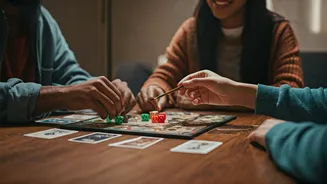
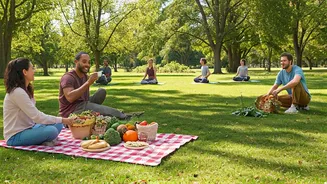
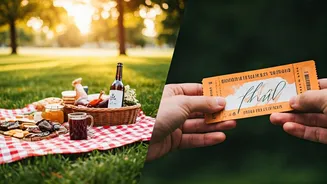
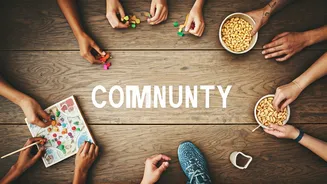
So what do these new communities look like? The answer is varied and creative. Across the country, running clubs have exploded in popularity, transforming a solitary exercise into a major social event where people connect during and after the run. Similarly, a trend dubbed “soft socializing” has seen a rise in low-pressure, activity-based gatherings. Think of book clubs that are actually “reading parties” where people simply read together in silence and then chat, or the resurgence of board game nights, chess clubs, and craft circles. These events provide a shared interest as a natural icebreaker, removing the pressure of forced small talk that can make traditional socializing feel daunting.
Intentionality Is the New Spontaneity
A key theme in this trend is intentionality. Many of these gatherings are meticulously planned, often through platforms like Meetup, Eventbrite, or even social media groups. Some young adults are even turning to paid social clubs that organize curated events for a monthly fee, essentially paying a small subscription for a ready-made social life. This move away from spontaneous hangouts toward scheduled activities reflects a generation that is busy and, in some cases, has lost the habit of casual, unstructured socializing. They are choosing to invest their time and sometimes their money into creating quality, in-person connections that they feel are lacking. The goal is not just to be around people, but to find the *right* people through shared values and interests.
A Hybrid Future
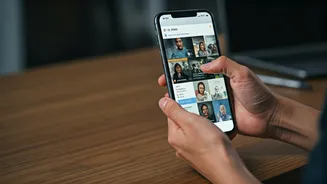
This movement is not a rejection of the digital world but an integration of it. Online platforms are the organizational backbone for these offline experiences. A Discord server is where the details for the hiking trip are planned. An Instagram story promotes the next local makers' market. This hybrid approach is native to a generation that has never known a world without the internet. They use digital tools not as a substitute for real life, but as a bridge to it. Brands and businesses are also taking note, realizing that fostering community through pop-up events and workshops is a powerful way to connect with this generation. The future of socializing, it seems, is neither purely online nor offline, but a seamless blend of both.