



Beyond Just Rain or Shine
For decades, a weather forecast was simple: temperature, chance of rain, and maybe a wind advisory. Today, that has expanded dramatically. Forecasts now deliver a richer, more holistic view of our environment. Think 'feels like' temperatures that account
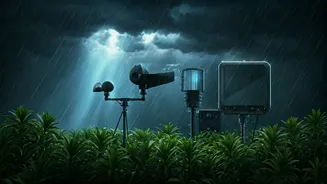
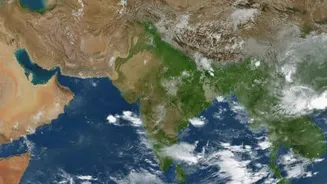
for humidity, detailed air quality indexes (AQI), UV radiation warnings for skin protection, and even lightning alerts. This shift from basic prediction to a comprehensive environmental summary means you’re not just told what the weather will be, but how it will actually impact your health and daily activities. The India Meteorological Department (IMD) has significantly improved its data collection, using more advanced satellite imagery, doppler radars, and computer simulations to power these detailed insights. This increased accuracy, which has improved by as much as 40% over the last decade, builds public trust and helps people make smarter, safer decisions every day.
The Power of Hyper-Local
One of the biggest game-changers is the rise of hyper-local forecasting. It’s no longer about the weather for an entire city, but for your specific neighbourhood or block. In May 2026, India launched new AI-powered systems to provide block-level forecasts for thousands of sub-districts. A pilot project in Uttar Pradesh is even generating rainfall forecasts with a one-kilometre resolution. This incredible precision is made possible by combining traditional data sources like weather stations with high-resolution models and artificial intelligence. AI algorithms can process vast amounts of data to detect patterns that older systems would miss, leading to more accurate predictions of everything from monsoon onset to localized flooding. This allows municipal bodies to prepare for specific canal overflows and helps you know if your commute will be dry while a neighbourhood just a few kilometres away faces a downpour.
Actionable Alerts for Everyone
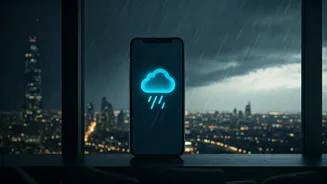
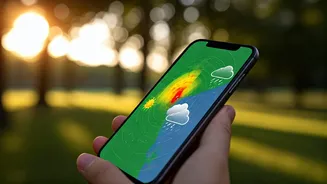
Better data is only useful if it reaches people in a way they can understand and act on. This is where modern weather apps and government initiatives are excelling. The IMD now uses simple, color-coded warnings for severe weather events. In parallel, government-backed mobile apps like 'Mausam' and 'Meghdoot' are designed to be citizen-centric and user-friendly. The Mausam app provides forecasts, radar imagery, and lightning warnings from the 'Damini' app, all in one place. Meghdoot, a joint initiative of the IMD and the Indian Council of Agricultural Research (ICAR), is tailored for farmers. It delivers crop-specific advice based on weather forecasts, helping with crucial decisions on sowing, irrigation, and pesticide application. These advisories, available in multiple local languages, are sent out twice a week.
A Boon for Farmers and Industry
The impact of more useful weather content is most profound in agriculture, a sector where livelihoods are directly tied to the climate. With AI-powered forecasts predicting the monsoon's arrival up to four weeks in advance, millions of farmers can now make better decisions about when to plant their crops. In 2025, 38 million farmers received these advanced forecasts via SMS, helping them adapt to a delayed monsoon and avoid potentially catastrophic losses. These agro-advisory services help minimise crop loss and manage resources like water and fertiliser more effectively. But the benefits extend beyond farms. Sectors like logistics, event management, urban planning, and renewable energy also rely on accurate weather data to operate efficiently and safely.
How to Get the Best Information
With so many options, how can you ensure you're getting the best possible weather information? Start by downloading the official 'Mausam' app for comprehensive, location-specific forecasts and alerts. If you or your family are involved in farming, 'Meghdoot' is an essential tool, offering tailored advice that can significantly improve crop outcomes. Explore the settings in these apps to customize notifications for your specific location and needs. Look for features that provide hourly updates, as these are increasingly common and useful for planning short-term activities. By leveraging these powerful, free resources, you can move from simply knowing the weather to using that knowledge to stay safe, save money, and make more informed decisions in your daily life.