


What Exactly Is Pattern Drenching?
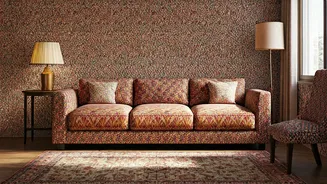
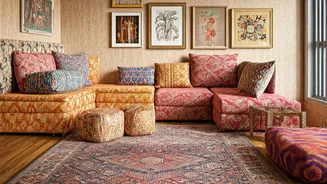
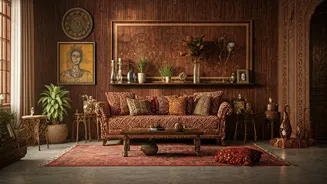
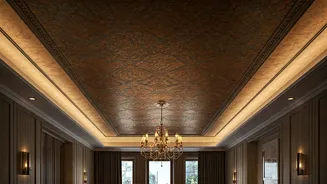
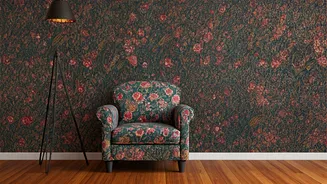
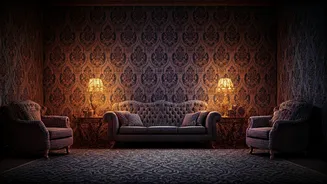
Forget a simple feature wall or a few printed cushions. Pattern drenching is the art of enveloping a space in one or more decorative motifs. This maximalist approach involves applying patterns to walls, furniture, curtains, and even ceilings to create
a cohesive and immersive environment. Unlike simple pattern mixing, which uses variety as its strength, drenching achieves harmony through repetition. The goal is to make a space feel like a deliberate, confident expression of personality, where every element contributes to a single, striking story. It's a move away from minimalist safety nets and a leap into expressive, joyful decor.
Why It Works in Smaller Spaces
It might seem counterintuitive, but covering a small room in pattern doesn't necessarily make it feel cramped. In fact, it can have the opposite effect. When a single, continuous pattern wraps around a room, it can blur the hard edges and corners, making the boundaries of the space less obvious. This creates a captivating 'jewel box' effect, turning a compact area like a powder room, study, or small bedroom into a rich, dynamic retreat. The visual interest of the pattern engages the brain, making you focus on the beauty of the design rather than the limited square footage. The result is a room that feels intentional and luxurious, not small.
Start with a Cohesive Colour Palette
To prevent patterns from descending into chaos, anchor your design with a unified colour story. Choose two or three key colours and ensure they appear across the different patterns you use. For instance, if your main wallpaper has a blue floral design on a cream background, your other patterns—perhaps a geometric rug or striped chairs—should incorporate those same shades of blue and cream. This shared palette acts as the thread that ties everything together, ensuring the final look is harmonious and considered, rather than jarring.
Play with the Scale of Your Patterns
The secret to successful pattern layering is varying the scale. A common rule of thumb is to combine large, medium, and small-scale patterns. For example, you might choose a large-scale floral for your wallpaper (the star of the show), a medium-scale geometric print for a rug, and a small, delicate stripe for throw pillows. This variation creates a visual hierarchy and allows each pattern to breathe, preventing them from competing with each other. If all the patterns are the same size, the room can feel busy and flat. Mixing scales adds depth and sophistication.
Don't Forget About Texture
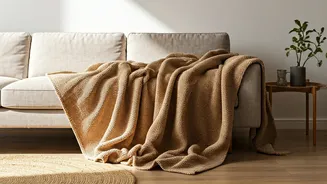
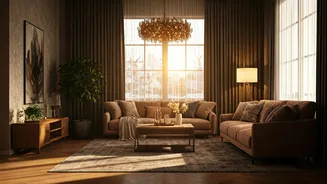
Amidst all the visual patterns, tactile texture provides balance and warmth. Incorporate a mix of materials to prevent the design from feeling one-dimensional. Think of plush velvet upholstery, crisp linen curtains, a chunky wool throw, or the smooth grain of a wooden side table. These different surfaces break up the repetition of the prints, adding another layer of sensory interest. Texture is crucial for providing a 'resting place for the eyes' and making the space feel inviting and comfortable, not just visually stimulating.
Ground the Look with Solids
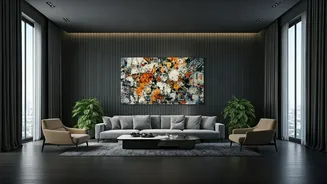
Even in a maximalist space, solid colours are essential. They provide moments of calm and help to ground the busier elements. You don’t need to get rid of all your plain items. A solid-coloured sofa, a simple lamp, or a neutral area rug can anchor a room drenched in pattern, preventing visual fatigue. These solid pieces give the eye a place to rest and can help highlight the beauty of the patterns around them. In India, where maximalism has deep cultural roots, this balance is often seen in the blend of vibrant, patterned textiles with solid, grounding pieces of furniture or art.