





As the air turns crisp and temperatures drop, your skin often sends out an SOS. That summer glow can quickly be replaced by dryness and irritation. The culprit? Colder, less humid air and indoor heating that strips away moisture.
Swap To a Gentler Cleanser
That foaming cleanser
you loved in July might be too harsh for the cooler months. Harsh soaps can strip your skin of its natural oils, which are crucial for maintaining a healthy moisture barrier. Dermatologists recommend switching to a cream-based or hydrating gel cleanser. These formulas effectively remove dirt and impurities without leaving your skin feeling tight or dry. If your skin is particularly dry, some experts even suggest rinsing with just water in the morning and saving your cleanser for the evening.
Upgrade to a Richer Moisturiser
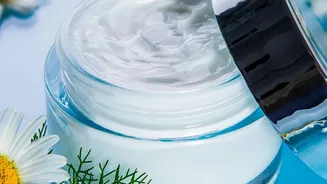
The single most important adjustment for autumn and winter is boosting hydration. Your lightweight summer lotion likely won't be enough to combat the drying effects of cold air. It's time to bring in a thicker, richer cream or ointment. Look for products you can scoop from a jar rather than pump from a bottle, as they tend to be more emollient. Key ingredients to search for are ceramides, which help repair the skin's barrier, and shea butter for deep nourishment. For best results, apply your moisturiser to damp skin right after a shower to lock in as much moisture as possible.
Add a Hydrating Serum
For an extra layer of protection against dryness, consider incorporating a hydrating serum into your routine. Serums are lightweight but pack a powerful punch of active ingredients. Look for formulas containing hyaluronic acid, a superstar ingredient known for its ability to hold up to 1,000 times its weight in water. Other beneficial ingredients include glycerin and peptides, which draw moisture into the skin and support its structure. A serum should be applied to clean skin before your moisturiser.
Don't Put Away the Sunscreen
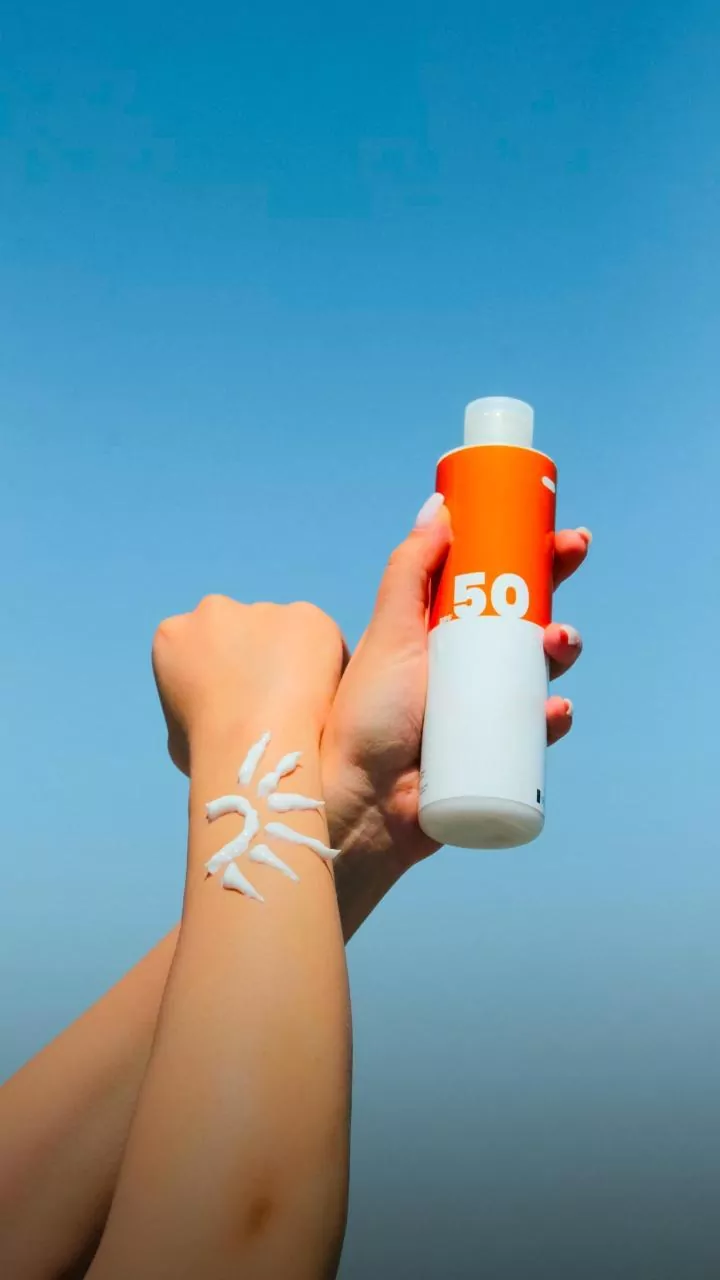
This is a non_negotiable step that many people forget once summer ends. Dermatologists are unanimous: you need to wear a broad_spectrum sunscreen with an SPF of 30 or higher every single day, all year round. UV rays are present even on cloudy, cold days and can cause premature ageing and increase your risk of skin cancer. Furthermore, snow and ice can reflect up to 80% of the sun's harmful rays, effectively hitting your skin twice. For winter, you might opt for a more moisturising cream_based sunscreen to add another layer of hydration.
Exfoliate Gently and Less Often
While exfoliating helps slough off dead, flaky skin cells, it's important to be gentle during the colder months when your skin is more vulnerable. Over_exfoliating can lead to increased dryness and irritation. Experts suggest reducing exfoliation to just once or twice a week. Consider swapping harsh physical scrubs for a mild chemical exfoliant containing ingredients like lactic acid, which can exfoliate while also helping to hydrate the skin. If your skin becomes red or sensitive, it's a sign to ease up even more.
Don't Neglect Lips and Hands
Your lips and hands have thinner skin and fewer oil glands, making them especially prone to becoming dry and chapped in the cold. Keep a quality lip balm handy and reapply it throughout the day. For your hands, use a thick hand cream after every wash. A helpful tip for severely dry hands is to apply a heavy moisturiser or ointment at night and wear cotton gloves to bed to lock in the moisture while you sleep.
Consider a Humidifier
One of the biggest culprits of dry winter skin is the dry air inside your home, thanks to central heating. Running a humidifier, especially in your bedroom at night, adds moisture back into the air. This simple step helps prevent your skin from losing its natural hydration while you sleep, making it a valuable tool in your seasonal skincare arsenal.