
Choose Plants That Forgive
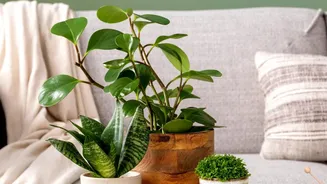
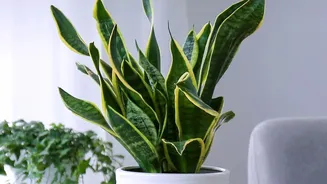
The first step to a thriving indoor garden is choosing the right plants. In compact rooms, where light can be limited and space is at a premium, it’s wise to start with hardy, low-maintenance varieties. Look for plants known for their resilience. The Snake
Plant (Sansevieria trifasciata), for instance, is virtually indestructible, tolerates low light, and needs infrequent watering. Similarly, the ZZ Plant (Zamioculcas zamiifolia) is a champion of neglect, happy in dim corners with water only every few weeks. Another classic for Indian homes is the Pothos, or Money Plant, whose trailing vines adapt beautifully to various light conditions and add life to shelves or window sills. These plants are not just forgiving for beginners; their ability to thrive in less-than-ideal conditions makes them perfect for the realities of apartment living.
Master the Art of Light
Light is a plant's food, and understanding the light in your room is non-negotiable. Before you buy, observe your space. Does a window face south, getting several hours of direct sun? Or does it face north, receiving only indirect light? Most 'easy' houseplants prefer bright, indirect light, meaning they should see the sun but not be in its direct path, which can scorch their leaves. For those truly dim corners, a Snake Plant or ZZ Plant is your best bet. For a spot near an east-facing window, a Peace Lily (Spathiphyllum), which can produce elegant white blooms in lower light, is an excellent choice. Remember to rotate your plants every couple of weeks to ensure all sides get some light, promoting even growth.
Watering: The Golden Rule
The most common mistake new plant parents make is overwatering. Roots need oxygen as much as they need water, and constantly wet soil leads to suffocation and root rot. The golden rule is simple: check the soil first. Stick your finger about an inch or two into the pot. If it feels dry, it’s time to water. If it’s still moist, wait another day or two. A plant's thirst changes with the seasons, the amount of light it gets, and the size of its pot, so watering on a fixed schedule like 'every Sunday' is a recipe for disaster. When you do water, do it thoroughly until water drains from the bottom, but be sure to empty the saucer afterward so the plant isn't sitting in a puddle.
The Right Home: Pots and Soil
A plant's pot is its home, and good drainage is essential. Always choose a pot with drainage holes at the bottom. This allows excess water to escape, which is the single best defence against root rot. When it comes to size, don't put a small plant in a massive pot, thinking it will have room to grow. A pot that is too large holds excess soil and moisture, which can overwhelm the roots. A pot that is slightly larger than the root ball is ideal. For soil, while generic potting mix can work, most plants benefit from a well-draining mix. You can often buy specific mixes for succulents or indoor plants, which help prevent waterlogging. Using a porous pot, like one made from terracotta, can also help the soil dry out more evenly.
Smart Placement for Small Spaces
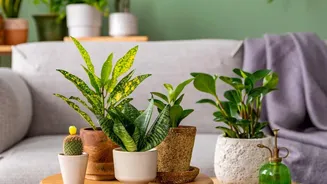
Once you have the care basics down, you can think about decoration. In a compact room, going vertical is key. Use hanging baskets for trailing plants like Pothos or Philodendrons to draw the eye upward and save floor space. A tall, narrow plant like a Snake Plant can fit neatly into a tight corner, adding height without bulk. Consider vertical shelves to create a 'plant wall', or place small succulents and air plants on desks and window sills. The goal is to integrate greenery in a way that enhances the space rather than cluttering it. By choosing plants that suit the scale of your room, you create a look that feels intentional and serene.