



First Step: Securing Your Entry Permit
A trip to Lakshadweep begins not with a ticket, but with a permit. As a protected Union Territory, all non-residents need an official entry permit. The good news is the process is now streamlined online. You'll need to apply via the official ePermit portal
at least 14 days before your trip. Recent rule changes have made it simpler for tourists; you no longer need a local sponsor or a Police Clearance Certificate. Just fill out the form with your details, intended travel dates, and the specific islands you plan to visit, and upload a valid ID like an Aadhaar card. Having a confirmed accommodation booking is crucial, as you'll need proof to get your permit approved.
Getting There: Flight vs. Ship on a Budget
Kochi is the gateway to Lakshadweep, and you have two main options to get there: a flight or a ship. For a youthful budget, the choice isn't always straightforward. A flight to Agatti Island (the only airport) is the fastest option, taking about 90 minutes. While flight tickets can seem pricey, booking well in advance can secure a reasonable fare. The alternative is a 14-to-18-hour ship journey from Kochi. Several passenger ships operate this route, and it's often the more economical choice, especially when booked as part of a package that includes meals and accommodation on board. The ship journey itself can be an adventure, offering stunning sea views and a chance to ease into island time. For the ultimate budget hack, consider a one-way flight and a return by ship to balance time and cost.
Choosing Where to Stay Without Breaking the Bank
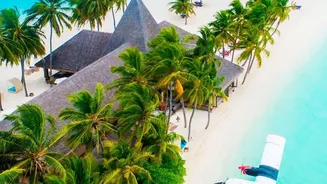
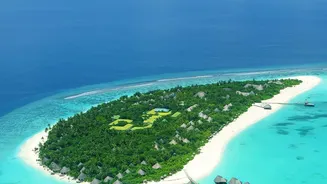
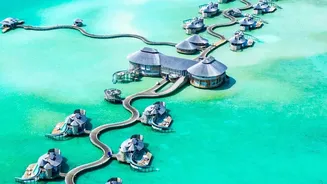
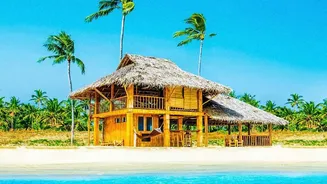
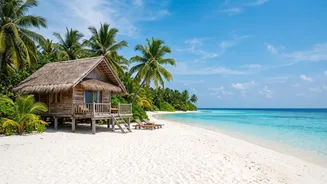
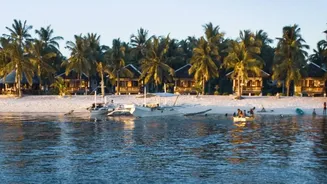
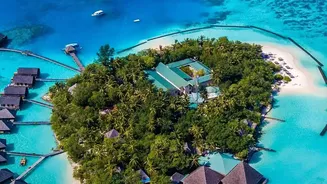
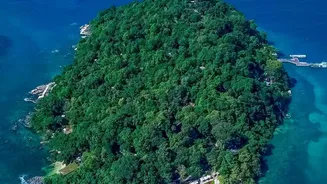
Lakshadweep has a reputation for being exclusive, but affordable accommodation does exist. Forget expensive private resorts on uninhabited islands like Bangaram. Instead, focus your search on islands like Agatti, Kavaratti, and Kalpeni. These islands offer a range of government-run guest houses and private homestays that are clean, comfortable, and budget-friendly, with prices starting from around ₹4,000-₹5,000 per night, often including meals. Agatti has the highest concentration of these budget stays. Booking these options provides an authentic experience of local life and hospitality, which is often more rewarding than a generic resort stay.
Activities That Don't Cost a Fortune
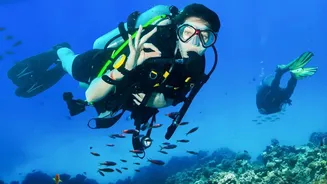
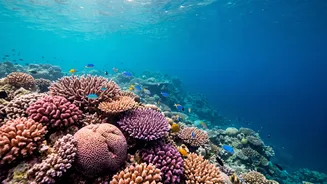
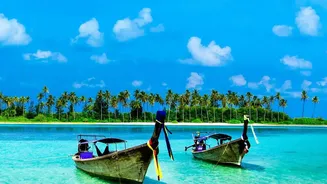
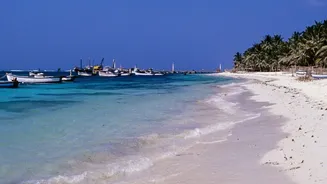
The best things in Lakshadweep are often free. The simple joys of swimming in the calm, clear lagoons, sunbathing on pristine white sands, and walking through quiet villages cost nothing. For a little more adventure, you don't need to splurge on expensive scuba diving packages. Snorkeling is an incredibly affordable way to witness the vibrant coral reefs and marine life. You can often rent gear for a nominal fee from your guesthouse or a local operator. Kayaking and glass-bottom boat rides are other budget-friendly activities that offer a fantastic window into the underwater world without getting wet. Island hopping to nearby isles like Thinnakara can be done affordably by joining a shared boat trip.
Timing Your Trip and Managing Daily Costs
The best time to visit Lakshadweep for good weather and calm seas is from October to mid-May. To get better deals, consider the shoulder season months of October, November, or late March and April. The monsoon season from June to September is the cheapest but riskiest, as many ship and boat services are suspended due to rough seas. To save money on a daily basis, eat at local eateries for a taste of authentic island cuisine at a fraction of hotel prices. Since most budget stays include meals, your food costs will be minimal. Carry some cash, as ATM access can be limited, and network connectivity can be slow. Pack all your essentials like sunscreen, basic medicines, and a hat to avoid paying high prices on the islands.