






A Match Made in Flavor Heaven
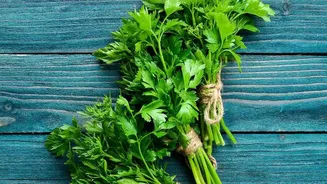
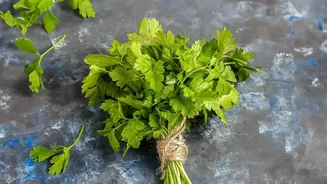
The reason parsley and lemon work so well together comes down to basic flavor science. Parsley, especially the flat-leaf variety, has a clean, peppery, and slightly earthy taste. While delicious, this flavor can sometimes be muted. Lemon, with its high
acidity, acts as a natural flavor enhancer. The sourness cuts through the green notes of the parsley, brightening and amplifying its fresh character. The zest of the lemon, full of citrus oils, adds an aromatic dimension that complements the herb's fragrance. Together, they create a balanced, vibrant taste that can lift heavy dishes, add freshness to salads, and provide a perfect finishing touch to grilled meats and fish.
The Ultimate Gremolata
Perhaps the most famous application of this pairing is gremolata, a classic Italian condiment. Traditionally served with osso buco, its use is far more versatile. A basic gremolata consists of just three ingredients: finely chopped fresh parsley, minced garlic, and grated lemon zest. The combination is a powerhouse of flavor that can be sprinkled over roasted vegetables, grilled steak, chicken, or fish. You can also stir it into soups, stews, or pasta dishes just before serving to add a burst of fresh, zesty flavor. Some variations include a bit of lemon juice or olive oil to create a looser, sauce-like consistency.
A Zesty Tabbouleh Salad
Tabbouleh is a staple Middle Eastern salad where parsley is not just a garnish but the star of the show. In traditional Lebanese tabbouleh, vast amounts of finely chopped parsley are combined with a smaller amount of mint, tomatoes, onions, and a little bulgur wheat. The dressing is where the lemon comes in, with a generous amount of fresh lemon juice and olive oil whisked together. This creates a dish that is incredibly fresh, herbaceous, and tangy. It's a perfect example of how the acidity of lemon can highlight the vibrant, green flavor of parsley in a salad context.
Simple Lemon-Parsley Pasta
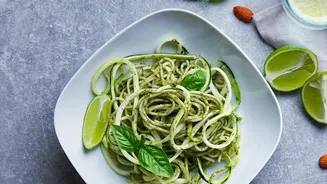
For a quick and elegant weeknight dinner, look no further than a simple lemon and parsley pasta. This dish comes together in the time it takes to boil the pasta. A simple sauce can be made by sautéing garlic in olive oil, then tossing it with cooked pasta, a generous amount of chopped parsley, lemon zest, and a squeeze of lemon juice. The residual heat from the pasta wilts the parsley slightly, releasing its aroma, while the lemon juice and zest create a light, silky sauce that coats every strand. A final sprinkle of Parmesan cheese adds a salty, umami kick that perfectly complements the fresh flavors.
A Versatile Vinaigrette
Harness the power of this pairing in a homemade vinaigrette that can be used on salads, as a marinade, or drizzled over roasted vegetables. Creating a lemon-parsley vinaigrette is incredibly simple. In a jar or food processor, combine finely chopped parsley, fresh lemon juice, lemon zest, and a good quality olive oil. A touch of Dijon mustard can help emulsify the dressing, while a little honey or maple syrup can balance the acidity. Season with salt and pepper, and you have a bright, herby dressing that will outshine any store-bought version. This vinaigrette is particularly delicious on a simple green salad or a grain bowl.
The Perfect Finish for Fish and Chicken
Whether you are grilling, baking, or pan-searing fish or chicken, a final flourish of parsley and lemon can make all the difference. The clean flavors are a natural match for delicate white fish like cod or halibut, as well as richer fish like salmon. For chicken, the pairing cuts through the richness and adds a welcome freshness. You can simply scatter chopped parsley and a squeeze of lemon juice over the cooked protein just before serving. Alternatively, stuff chicken breasts with a mixture of parsley, lemon zest, garlic, and butter before baking for a dish that is moist and packed with flavor.