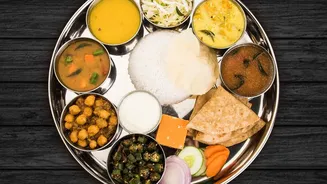








Embrace the Rhythm of the Seasons
The single most effective way to save on produce is to buy what's in season. When a fruit or vegetable is at its natural peak, it's abundant, which drives prices down. Shopping seasonally means you get fresher, more nutritious, and significantly cheaper
ingredients. Local mandis and weekly haats are often 30-60% cheaper than supermarkets for the same items. During winter (November-February), look for vibrant carrots, peas, cauliflower, and leafy greens like spinach and methi. Summer (March-June) brings a bounty of gourds, okra, and cucumbers. The monsoon months (July-September) are perfect for corn, cluster beans, and brinjal. Aligning your menu with these natural cycles not only cuts costs—a kilo of tomatoes might be ₹20 in season versus ₹80 out of season—but also ensures your meals are full of flavour.
Build a Resilient Pantry
A well-stocked pantry is the foundation of any budget-friendly kitchen, allowing you to whip up meals without last-minute store runs. The goal is to have a core set of non-perishable items that form the backbone of countless Indian dishes. Start with grains like basmati rice and whole wheat atta. Next, stock up on a variety of lentils and pulses (dals), which are versatile, affordable, and protein-rich. Toor, masoor, and chana dal are excellent starting points. Your spice box is crucial; essential spices such as turmeric, cumin seeds, coriander powder, and red chilli powder are non-negotiable for authentic flavour. Finally, round out your pantry with cooking oils, ghee, sugar, and salt. Buying these staples in larger quantities from wholesale markets can lead to significant savings, often between 5-15% compared to smaller packets.
Shop Smarter, Not Harder
Beyond what you buy, how you shop makes a huge difference. The most powerful tool in your arsenal is a simple shopping list based on a weekly meal plan. Planning your meals prevents impulse buys, which are a major source of budget overruns. Before you leave the house, check your pantry and fridge to avoid purchasing duplicates. When at the market, opt for loose dals, rice, and spices instead of pre-packaged versions, which often carry a higher price tag. Similarly, avoid pre-cut vegetables; they are costlier and lose freshness faster. While online apps offer convenience, always compare prices against your local vendors, who often have better deals on fresh produce. Finally, try to avoid shopping when you're hungry, as this can lead to unplanned purchases of snacks and processed foods that inflate your bill.
Plan, Prep, and Prevent Waste
Tying it all together is the art of planning and preparation. Spend 30 minutes each weekend outlining your meals for the week. This simple habit not only creates your shopping list but also drastically reduces food waste, as you buy only what you need. Once you have your seasonal produce, do some basic prep. Chopping vegetables, boiling potatoes, or making a base ginger-garlic paste can save immense time on busy weekdays. Get creative with leftovers. A dry sabzi from dinner can become a sandwich filling for the next day's lunch. Extra dal can be kneaded into dough for flavourful parathas. Studies show that Indian households can waste a significant amount of food annually; meal planning and mindful use of leftovers can cut this waste by nearly a third, directly benefiting your wallet and the environment.