


After the dazzling lights, explosive sounds, and rich feasts of Diwali, a familiar quiet settles in. It often comes with a sense of fatigue and overindulgence. This is where a humble, traditional dish steps in: Besan Sheera.
What Is Besan Sheera?
Besan Sheera, also known as
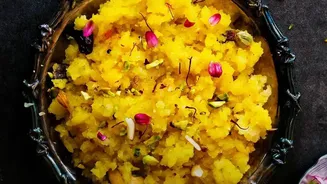
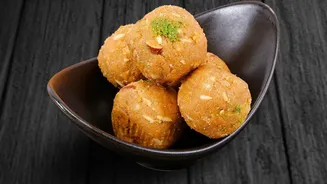
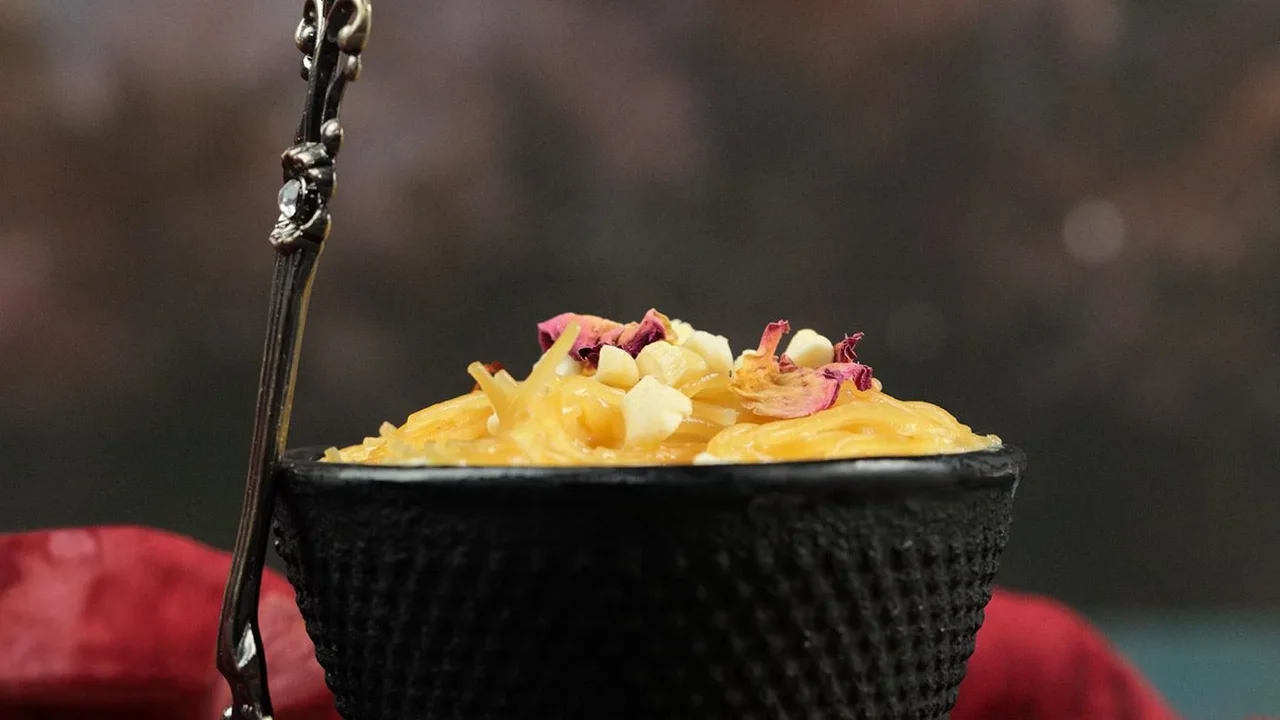
Besan ka Sheera, is a warm, semi-thick pudding-like beverage cherished in many Indian households, particularly in Punjab. It is made by slowly roasting besan (gram flour) in ghee until it releases a nutty aroma. Milk or water is then added, along with a sweetener like jaggery or sugar, and often spiced with cardamom, turmeric, and a pinch of black pepper. The consistency can be adjusted from a thick, spoonable dessert to a more liquid, drinkable porridge. Garnished with chopped nuts like almonds or pistachios, it is typically served hot, making it an ideal comfort food for cooler weather or when feeling under the weather.
The Post-Festival Connection
The days following Diwali are often about winding down and recovering. The endless stream of sweets, fried snacks, and heavy meals can leave the digestive system feeling sluggish and the body tired. Besan Sheera emerges as a traditional answer to this post-celebration slump. It is considered a 'satvik' (pure and balancing) preparation that provides gentle nourishment without overwhelming the system. The warmth of the sheera is inherently soothing, while its simple, wholesome ingredients are believed to help restore balance. In Ayurveda, it is considered a remedy that helps balance Vata and Kapha doshas, making it ideal for the seasonal transition into winter that often coincides with the festival.
A Bowl Full of Benefits
Beyond its role as a comforting tradition, Besan Sheera is valued for the therapeutic properties of its ingredients. It is widely regarded as an age-old home remedy for colds and coughs. Ghee is known to lubricate and soothe an irritated throat. Besan, or gram flour, is a gluten-free powerhouse of plant-based protein, fiber, and essential minerals like iron and magnesium. It provides sustained energy, which is helpful in combating post-festival fatigue. Spices like turmeric offer anti-inflammatory benefits, while black pepper is believed to aid in clearing congestion. This combination of ingredients creates a nourishing dish that supports immunity and aids recovery.
More Than Just a Dessert
While sweet, Besan Sheera is often looked upon as medicinal food rather than just a dessert. Its primary role in many families is to provide comfort and relief during illness. The act of preparing it—the slow roasting of the flour, the fragrant spices—is in itself a comforting ritual. It is the food grandmothers often make, a bowl of warmth that feels like a hug. This emotional connection elevates it from a simple dish to a carrier of care and tradition. It represents a return to simplicity and wholesomeness after the grandiosity of festive celebrations, reminding us that sometimes the simplest foods provide the greatest comfort.
A Simple Guide to Preparation
Making Besan Sheera at home is a straightforward process. The key is to roast the besan slowly and patiently. Start by melting a few tablespoons of ghee in a heavy-bottomed pan over low heat. Add the besan and stir continuously. The flour will gradually turn a golden-brown color and release a rich, nutty fragrance; this is the most crucial step for flavor. Once aromatic, you can stir in spices like turmeric, cardamom powder, and black pepper. Then, slowly pour in warm milk or water, whisking constantly to prevent any lumps from forming. The mixture will begin to thicken. Add your preferred sweetener, such as jaggery or sugar, and continue to cook for a few more minutes until it reaches a thick, porridge-like consistency. Serve it hot, garnished with chopped nuts for an extra layer of texture and nutrition.