





The Directive Against Digital Disturbance
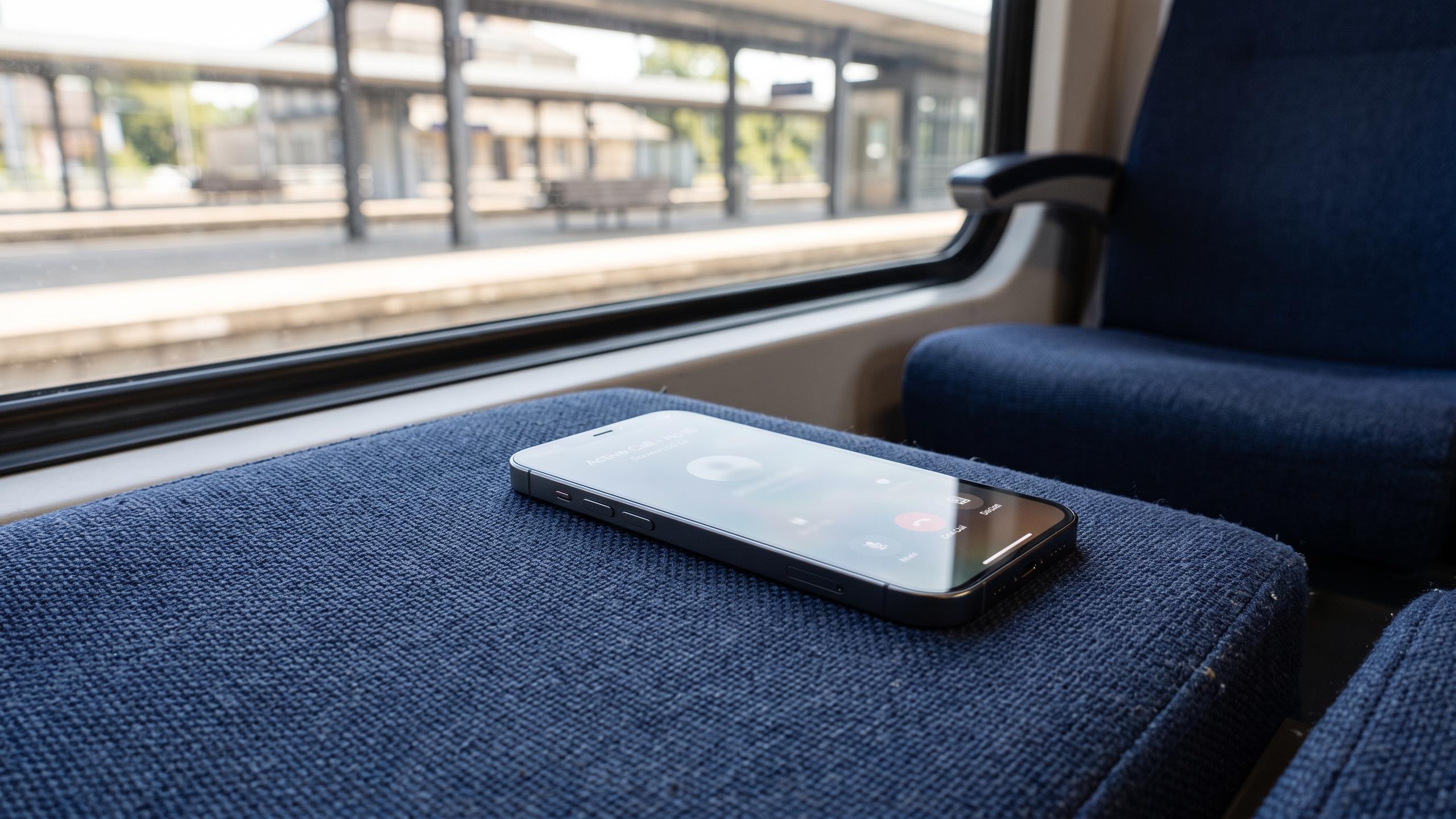
In a move welcomed by many long-suffering passengers, Southern Railway has issued a firm directive to curb noise pollution on its trains and at stations. The advisory specifically targets the widespread habit of playing music, watching videos, or taking
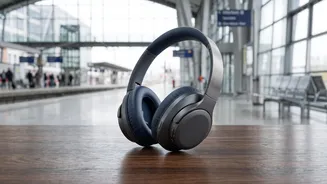
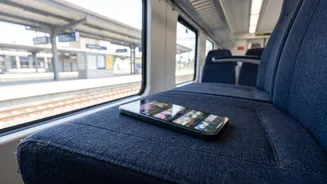
calls on a mobile phone's loudspeaker. According to circulars issued in October 2026, passengers are now strongly urged to use earphones for any personal audio. To ensure the message gets across, the railway zone has instructed its divisions—including Chennai, Madurai, and Thiruvananthapuram—to use public address systems and display notices in English, Hindi, and regional languages. This isn't just a polite suggestion; it's a rule with consequences. Offenders can face action under Section 145 of the Railways Act, which deals with causing a nuisance to fellow travellers.
What Are the Penalties?
The railway's renewed focus on this issue is backed by significant penalties, updated by the Jan Vishwas (Amendment of Provisions) Act, 2026. A passenger found causing a nuisance could be fined up to ₹1,000 and be removed from the train or station premises. For those who persist in the behaviour after being warned by an authorised railway official, the punishment can be even more severe, potentially extending to a fine of up to ₹5,000 or even imprisonment for up to six months. Onboard staff, including Ticket Checking Examiners (TTEs), have been empowered to intervene and address complaints from passengers immediately, ensuring that disputes are resolved on the spot.
A Nationwide Nuisance
While the latest push comes from Southern Railway, the problem is a pan-India phenomenon. For years, passengers across the country have complained about the 'acoustic tension' created by the inconsiderate use of mobile devices. With high-speed data now widely accessible, reserved compartments have often turned into a battleground of competing audio streams, from movie dialogues to viral video soundtracks and loud, lengthy phone conversations. The Indian Railway Board has previously flagged the issue, issuing guidelines as far back as 2012 regarding objectionable ringtones and loud calls, particularly in the enclosed spaces of AC coaches. The recent advisory represents a more forceful attempt to reclaim a sense of shared peace in public transport.
It’s About More Than Just Volume
The frustration isn't just about the decibel level; it's about the invasion of personal space. When you're in a shared public area like a train coach, you enter into an unspoken social contract. You tolerate the unavoidable noises of travel, but you expect a degree of respect for your own peace and quiet. Unsolicited music or a one-sided phone conversation shatters that contract. It forces everyone in the vicinity to become a reluctant audience. Psychologically, the inability to control one's own auditory environment can be a significant source of stress and annoyance. This is why a stranger's music often feels far more irritating than your own, even at the same volume. Using headphones is the simple, elegant solution—a small act of courtesy that acknowledges the presence and comfort of others.
Beyond the Speaker: A Code of Conduct
The focus on loudspeaker use is part of a broader push for better onboard etiquette. Indian Railways has also been reinforcing its 'Quiet Hours' policy, which is in effect from 10 pm to 6 am. During this time, loud conversations are prohibited, and all main cabin lights must be switched off to allow passengers to rest. The rules apply not only to passengers but also to railway staff, who are expected to carry out their duties with minimal disruption. These regulations, combined with the new anti-loudspeaker advisory, aim to cultivate a more respectful travel culture. It's a reminder that a train journey isn't just a transaction for moving from point A to B; it's a shared experience where small considerations can make a huge difference to everyone's comfort and well-being.