







The Cold-Pressed Difference
Before we dive into specific oils, it's important to understand what “cold-pressed” means. Unlike refined oils, which are extracted using high heat and chemical solvents that strip away nutrients and flavour, cold-pressed oils are made through a simple
mechanical process. By pressing seeds or nuts at a low temperature, the oil retains its natural aroma, colour, taste, and, most importantly, its nutritional integrity. This method preserves beneficial compounds like antioxidants, vitamins, and healthy fatty acids that are otherwise lost during industrial refining. The result is an oil that is not just a cooking medium, but an ingredient that adds distinct character to a dish.
Mustard Oil: The Pungent Powerhouse
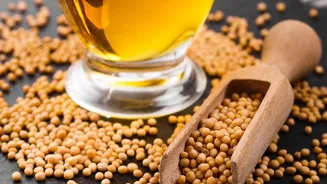
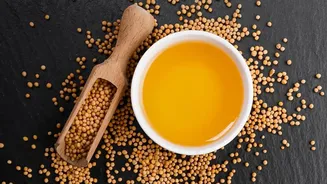
Known as sarson ka tel, cold-pressed mustard oil is the soul of many regional cuisines, especially in Bengal, Bihar, and Punjab. Its signature pungency and sharp flavour come from a compound called allyl isothiocyanate, which gives dishes like Bengali fish curries (shorshe ilish) and Punjabi sarson da saag their authentic kick. With a high smoke point of around 250°C, it's exceptionally stable for high-heat cooking methods like deep-frying and sautéing. Nutritionally, it’s a powerhouse, rich in monounsaturated fats and boasting a healthy balance of omega-3 and omega-6 fatty acids, which are beneficial for heart health. It also acts as a natural preservative, making it the traditional choice for pickles across India.
Sesame Oil: The Nutty Nectar
Often called til ka tel or gingelly oil, sesame oil is a cornerstone of South Indian cuisine, particularly in Tamil Nadu, Andhra Pradesh, and Karnataka. Its rich, nutty flavour is essential for dishes like ellu sadam (sesame rice) and for tempering sambar and rasam. Cold-pressed sesame oil has a smoke point of around 177°C, making it suitable for light sautéing and tadkas, but it truly shines when used as a finishing oil to preserve its delicate flavour. It is packed with antioxidants like sesamol and sesamin, which contribute to its stability and health benefits. In Ayurveda, sesame oil is highly prized and used for everything from oil pulling to massages, thanks to its warming and nourishing properties.
Groundnut Oil: The Versatile Staple
Cold-pressed groundnut oil, or moongphali ka tel, is a versatile, all-purpose cooking oil cherished in Western and Southern India, especially in Gujarat, Maharashtra, and Tamil Nadu. Its mild, slightly nutty flavour enhances food without overpowering it, making it suitable for a wide variety of dishes, from Gujarati undhiyu to Maharashtrian vada pav. While refined groundnut oil has a very high smoke point, the cold-pressed version sits at around 160°C, which is still sufficient for most everyday Indian cooking, including frying at moderate heat. It is a great source of monounsaturated fats and Vitamin E, an antioxidant that helps protect the body's cells from damage.
Making the Right Choice for Your Kitchen
Choosing the right oil is about connecting with regional culinary traditions. For a pungent, North Indian curry or pickle, mustard oil is your go-to. For a South Indian tadka or a dish that needs a nutty depth, sesame oil is perfect. For everyday frying and cooking where you need a more neutral flavour, groundnut oil is an excellent choice. Using these oils as they were intended not only makes your food taste more authentic but also connects you to a rich food heritage. The flavour of a Bengali curry is incomplete without the sharpness of mustard oil, just as a Maharashtrian snack feels right when fried in groundnut oil.