




What Is This Ancient Superfood?
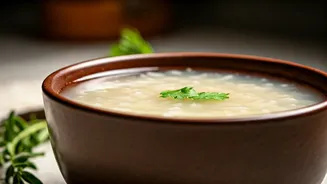
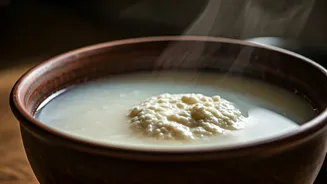
Known by many names across India — Pazhaya Soru or Neeragaram in Tamil Nadu, Panta Bhat in Bengal, Poita Bhat in Assam, and Pakhala in Odisha — the core concept is brilliantly simple. It’s cooked rice, soaked overnight in water (often in a traditional
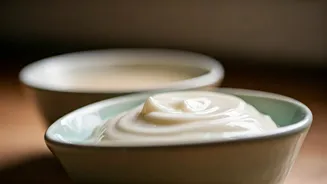
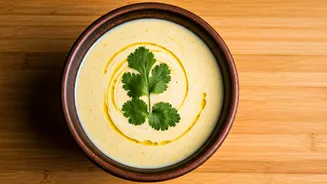
earthen pot), which allows it to ferment mildly. The next morning, this softened, slightly tangy rice is typically mixed with curd, salt, and sometimes mashed shallots, green chillies, or a dash of mustard oil. The result is a light, cooling, and incredibly nourishing meal-in-a-drink. It’s not a fancy, complicated recipe but a testament to the age-old wisdom of using resources wisely and creating food that heals.
A Taste of History and Humility
This dish has deep roots in agrarian life. For centuries, it was the staple breakfast for farmers and labourers who needed sustained energy for a long day of physical work. It was a practical way to use leftover rice from the previous night's dinner, preventing waste while creating something even more nutritious. Consumed before heading to the fields, it provided hydration, energy, and a cooling effect against the harsh sun. This wasn’t food of the elite; it was the food of the people, intrinsically linked to the soil and the seasons. Its humility is a core part of its identity, a reminder of a simpler, more sustainable way of eating that modern society is only now beginning to appreciate again.
Why the Sudden Comeback?
So, what’s behind this resurgence? A perfect storm of modern wellness trends and a renewed appreciation for cultural roots. Firstly, the global obsession with gut health and probiotics has primed us to look for natural sources of 'good bacteria'. Fermented rice is a powerhouse of probiotics, making it a natural, homegrown alternative to expensive, store-bought options like kombucha or kefir. Secondly, there’s a growing movement across India to look inward and reclaim traditional food wisdom. Chefs, nutritionists, and social media influencers are championing ancestral diets, highlighting the science-backed benefits of foods our grandparents ate. This has transformed dishes like fermented rice from being seen as 'poor man's food' to being celebrated as an indigenous superfood.
The Science Behind the Comfort
The magic of this dish lies in fermentation. When rice is soaked overnight, lactic acid bacteria get to work, breaking down nutrients and making them easier for our bodies to absorb. This process significantly increases the presence of B-vitamins, especially B12 and B6, which are crucial for energy. The fermentation also produces beneficial enzymes and probiotics that promote a healthy gut microbiome, aiding digestion and boosting immunity. Furthermore, the high water content makes it an excellent hydrator, and its very nature is cooling, making it the perfect antidote to India’s scorching summers. Traditional knowledge claimed it prevented heat strokes and fatigue, and modern science now helps us understand why.
From Humble Homes to High-End Menus
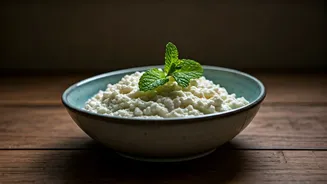
The comeback isn’t just happening in home kitchens. Progressive chefs and wellness cafes are now reinterpreting this classic. You might find a deconstructed 'Pakhala Platter' in a fine-dining restaurant in Bhubaneswar or a 'Fermented Rice Smoothie' in a health cafe in Bengaluru. These modern versions might include additions like pomegranate seeds, mint, or toasted spices, presenting the humble dish in a new, gourmet avatar. This evolution is crucial, as it helps introduce the concept to a new generation that may have lost touch with such traditions, bridging the gap between the past and the present on a single plate.
How to Try It at Home
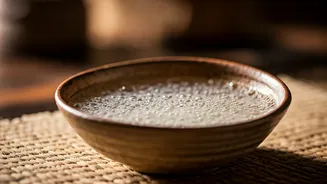
The beauty of this dish is its simplicity. To make a basic version, simply take leftover cooked rice (preferably a local, robust variety), place it in an earthen or glass bowl, and cover it completely with drinking water. Let it sit on your counter overnight for 8-12 hours. The next morning, the rice will be soft and the water slightly cloudy and tangy. Gently mash the rice with your hand, mix in some fresh curd or buttermilk, add salt to taste, and throw in some chopped onions or a green chilli for flavour. It’s a recipe that invites experimentation and is almost impossible to get wrong.