



A New Standard for Passenger Experience
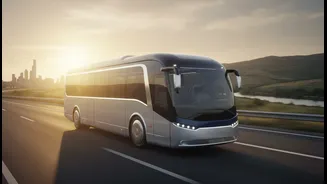
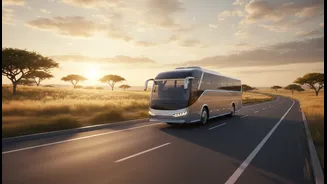
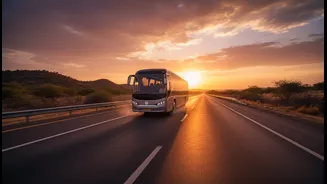
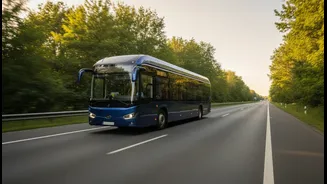
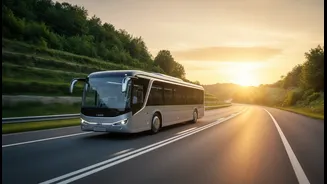
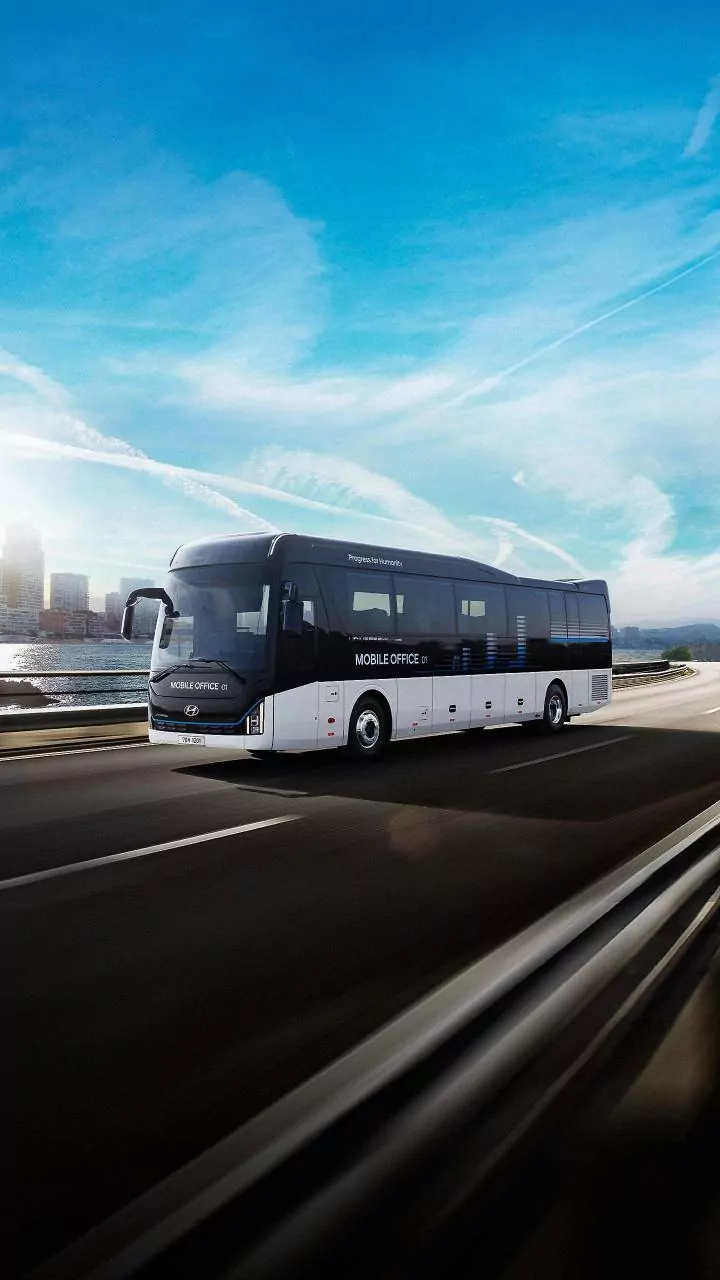
For decades, intercity bus travel has often been a compromise between cost and comfort. The new fleet of premium electric buses aims to change that narrative entirely. Companies like NueGo, zingbus, and FreshBus are deploying vehicles that prioritize
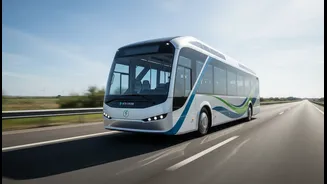
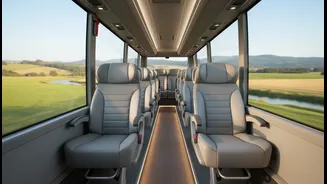
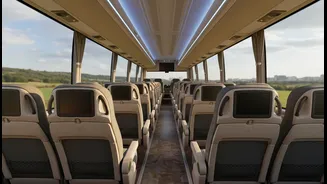
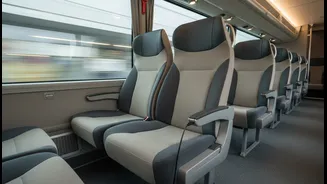
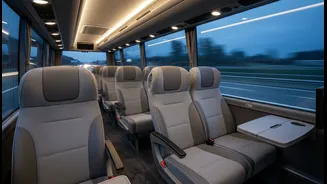
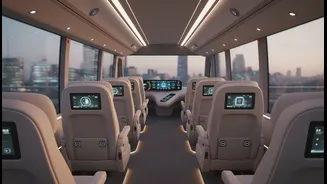
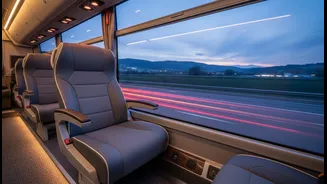
the passenger experience. These buses are not just electric; they are designed to be lounges on wheels. The immediate difference is the noise—or lack thereof. The silent operation of an electric motor replaces the constant drone of a diesel engine, creating a calmer journey. Inside, passengers find amenities that were once the exclusive domain of airlines or luxury trains. We're talking about spacious, reclining seats with ample legroom, individual USB charging ports, and a smoother ride thanks to advanced air suspension systems. Safety is also a core part of the premium promise. Features like CCTV surveillance, real-time GPS tracking, driver drowsiness detection, and electronically limited speeds are becoming standard, offering peace of mind, particularly for solo and female travellers.
Proving the Viability of Green Long-Haul Travel
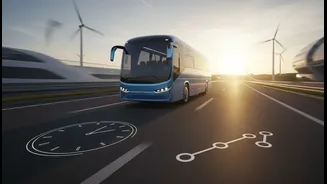
For clean-mobility advocates, the most significant lesson is a simple but powerful one: electric technology is ready for the rigours of intercity travel. While electric buses have been making inroads in city transport for years, their expansion into long-distance routes demonstrates their growing capability. Operators are successfully running services on high-demand corridors like Delhi-Lucknow, Hyderabad-Vijayawada, and Bengaluru-Chennai, some spanning over 10 hours. This is made possible by buses with improved range, some capable of travelling over 250 kilometres on a single charge, and fast-charging technology that minimizes downtime. The success of these routes serves as a large-scale pilot, proving that with strategic planning, 'range anxiety' can be managed even on long journeys. It shows that the Total Cost of Ownership (TCO) for electric buses can be favourable. While the initial purchase price is higher than a diesel bus, the operational savings on fuel and maintenance are substantial—electric bus running costs can be as low as one-fifth of their diesel counterparts.
Overcoming the Infrastructure Hurdle
One of the biggest questions surrounding EVs has always been charging infrastructure. The premium intercity bus model offers a compelling answer: build your own. Instead of waiting for a widespread public network, operators like NueGo and FreshBus are establishing their own charging stations at depots and, crucially, at planned mid-point stops along their routes. This creates a closed-loop ecosystem that ensures their fleets can operate reliably without being dependent on third-party infrastructure. This approach not only guarantees charger availability for their buses but also provides a better customer experience by integrating charging stops with clean, safe refreshment facilities. This strategy offers a crucial lesson for the broader EV industry: where a public network is lacking, a business-led, route-specific infrastructure build-out can be a highly effective way to kickstart adoption and prove a business case.
The Future Is Integrated and Collaborative
The expansion of premium electric buses is not just happening through individual company efforts. The sector is seeing a rise in partnerships and new business models. For example, some companies are partnering with existing regional bus operators, combining their technology platform and service standards with the local expertise of smaller businesses. This creates a win-win, allowing for faster scaling and better market access. Furthermore, innovative financing and leasing models are emerging, which allow fleet operators to adopt electric buses without a massive upfront capital investment. This is critical for accelerating the transition, as the high initial cost remains a significant barrier for many. This collaborative ecosystem, involving vehicle manufacturers, tech platforms, operators, and finance partners, provides a powerful blueprint for how India can accelerate its broader clean mobility goals.