








1. The Rise of the 'Superfruit'
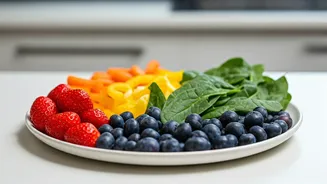
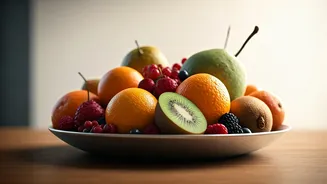
The term 'superfruit' might be a marketing buzzword, but it points to a real trend: a focus on nutrient-dense foods. Fruits like blueberries, strawberries, and other berries are celebrated for their high antioxidant content, which helps combat cellular
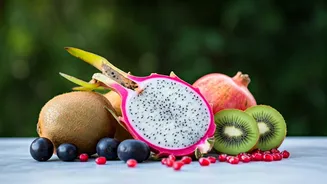
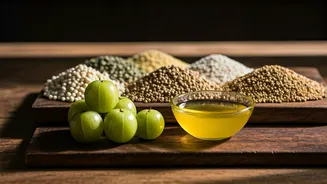
damage in the body. Pomegranates, with their jewel-like seeds, are packed with vitamins and have been linked to heart health. Then there's the avocado—technically a single-seeded berry—which broke the internet with its healthy monounsaturated fats, crucial for brain and heart function. This trend isn't just about exotic imports; our own Indian gooseberry, amla, is a powerhouse of Vitamin C and antioxidants, proving that 'super' can also be local.
2. A Focus on Gut Health
The conversation around health has moved inward, focusing on the gut microbiome—the trillions of bacteria living in our digestive systems. A healthy gut is linked to better immunity, mood, and overall wellness. This is where fruit's high fibre content comes into play. Fibre acts as a prebiotic, feeding the good bacteria in your gut. Bananas, especially when slightly green, are fantastic sources of prebiotic fibre. Apples, with their pectin content, and the humble chikoo (sapota) also contribute significantly to a happy digestive system. Instead of relying solely on supplements, people are turning to these whole-food sources to naturally support their gut health.
3. The Instagram-Worthy Smoothie Bowl
We eat with our eyes first, and no trend proves this better than the smoothie bowl. Social media platforms like Instagram have turned healthy eating into a visual art form. Vibrantly coloured bowls swirled with puréed fruits like mango, dragon fruit, and berries, then topped with sliced bananas, kiwi, and seeds, have become a status symbol of a healthy lifestyle. This visual appeal has a powerful effect, encouraging people to consume a wider variety of fruits simply because they look so good. It has gamified healthy eating, making a nutrient-packed breakfast feel like an indulgent treat rather than a chore.
4. Natural Sweetness Over Refined Sugar
As awareness about the negative health impacts of refined sugar grows, many are seeking healthier alternatives to satisfy their sweet cravings. Fruits have emerged as the perfect solution. Dates, for instance, have become a go-to natural sweetener for everything from energy bars to milkshakes, providing sweetness along with fibre and minerals. Mashed bananas are now a common substitute for sugar in healthy baking recipes for muffins and cakes, adding moisture and flavour. Even figs (anjeer) and raisins (kishmish) are being used to sweeten desserts and snacks, offering a complex sweetness that refined sugar simply can't match. This swap is a simple yet effective way to cut down on empty calories while adding nutritional value.
5. Rediscovering Local and Seasonal Gems
While global superfruits get a lot of attention, there's a powerful counter-trend gaining momentum in India: a return to our roots. Nutritionists and wellness advocates are increasingly championing the benefits of eating local, seasonal fruits. Think of the deep purple jamun (black plum) in the monsoon, known for its benefits for diabetics, or the fibre-rich jackfruit, which is being hailed as a versatile meat substitute. Papayas, available year-round, are celebrated for their digestive enzymes, and seasonal mangoes, when eaten in moderation, provide a burst of vitamins A and C. This approach is not only more sustainable and affordable but also ensures that our bodies get the nutrients best suited for the climate and season, just as our ancestors intended.