






What's Driving Oil Prices Higher?
The price of crude oil is a bit like a global seesaw, pushed up and down by supply, demand, and geopolitics. As of August 2026, Brent crude, a key international benchmark, has been trading near the $93-$94 per barrel mark. This price is significantly
higher than it was a year ago, reflecting ongoing geopolitical tensions in the Middle East which threaten to disrupt supply. Since India imports over 85% of its crude oil, any volatility in global markets has a direct and immediate impact on our economy. These international factors are the primary reason you're starting to feel the pinch in everything from fuel costs to travel expenses.
The Direct Hit on Air Travel Costs
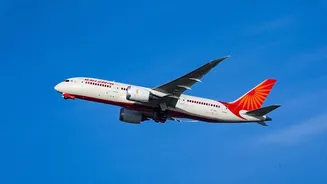
For airlines, fuel is one of the biggest operating expenses, often accounting for 35-40% of their total costs. The fuel they use, Aviation Turbine Fuel (ATF), is derived from crude oil. When crude prices climb, so do ATF prices. In the first half of 2026, ATF prices saw significant hikes due to global events, increasing operating costs for all Indian carriers. To manage this, airlines often pass the extra cost to passengers by increasing the base fare or adding a fuel surcharge. For example, some airlines have previously added surcharges ranging from a few hundred rupees on domestic routes to several thousand on long-haul international flights to Europe or the US. This means the same flight can become noticeably more expensive in a matter of weeks.
It's Not Just About Flights
The impact of rising oil prices extends well beyond the airport. The cost of petrol and diesel, which are also refined from crude oil, directly affects anyone planning a road trip. As of late August 2026, petrol and diesel prices have remained steady but high across major cities, with petrol over ₹102 per litre in Delhi and ₹111 in Mumbai. This makes driving a personal car, hiring a taxi, or even taking a bus more expensive. Higher diesel costs also increase the operating expenses for railways, which can indirectly influence train fares over time. Ultimately, any form of transport that relies on fossil fuels becomes more costly, affecting everything from daily commutes to long-distance holiday travel.
How the Travel Industry Responds
The travel industry is highly sensitive to price changes. When airfares rise, travel agents and tour operators often see a shift in customer behaviour. Travellers might postpone their plans, shorten their trips, or switch from international destinations to domestic ones to manage their budgets. A significant jump in ticket prices—even by ₹1,000 to ₹1,500—can be enough to make a family reconsider their holiday plans, perhaps opting for a train journey over a flight. In response, airlines might reduce the number of flights on less profitable routes or delay expansion plans. However, they also compete fiercely for customers, so they may offer targeted sales or special deals to stimulate demand during lean periods, even when fuel costs are high.
What This Means For Your Holiday Plans
So, what should you do if you're planning a holiday? The key is to be strategic. Booking your flights well in advance is one of the most effective ways to secure a lower fare, especially for popular summer travel months. Flexibility is also your friend; if your dates aren't fixed, consider traveling during a 'shoulder season,' like late August, when demand drops and prices tend to soften. Using fare comparison websites can help you find the best deals across multiple airlines. For road trips, budgeting for higher fuel costs is essential. You might also consider destinations that are closer to home or exploring public transport options to keep your travel budget in check during periods of high oil prices.