
The Decline of the 'Guest-Only' Room
Many Indians will remember the unwritten rule of the house: the main sofa set, often shrouded in plastic, was strictly off-limits. This was the 'drawing room', a space designed less for living and more for impressing visitors. It was a symbol of aspiration,
featuring imposing furniture and elaborate decor that spoke of a family's status. This room often remained a silent, untouched museum of the home, used only for special occasions. However, this tradition is fading. Modern homeowners are questioning the need for a performative space, leading to one of the clearest signals of how the country now chooses to live.
Why We're Choosing Comfort Now
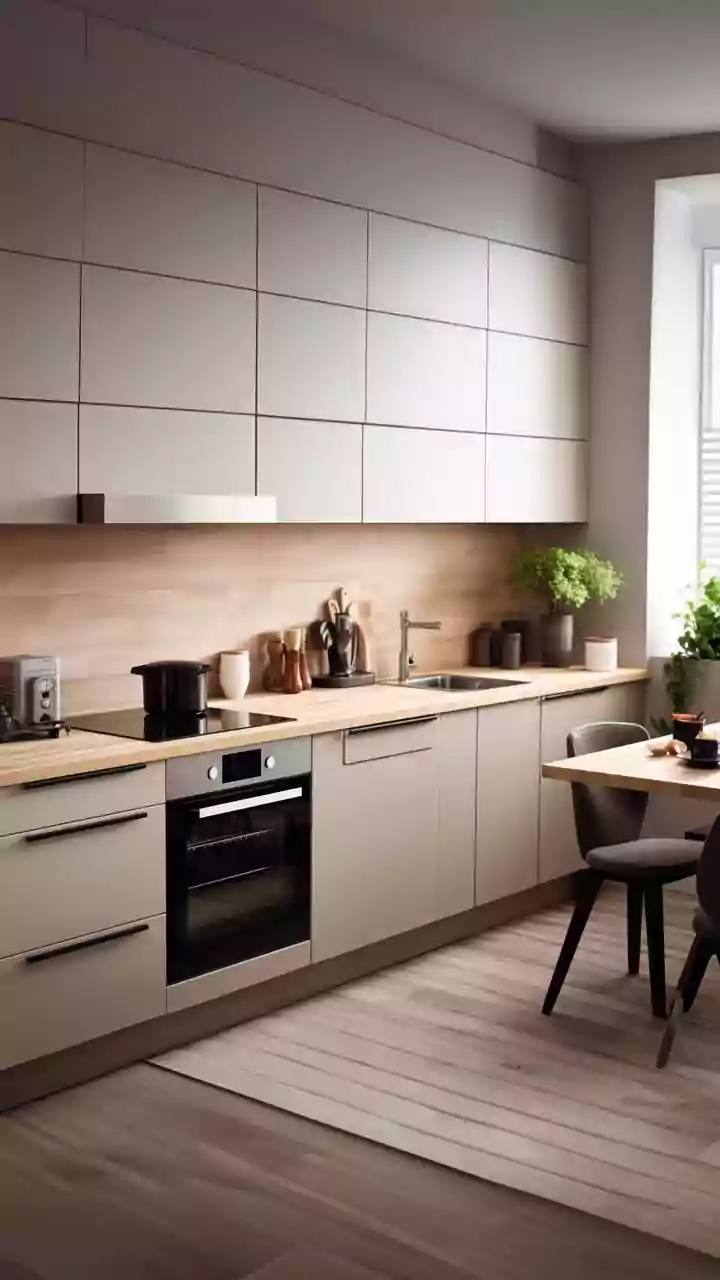
Several factors are driving this change. The rise of remote and hybrid work models has meant that homes need to be functional around the clock, blurring the lines between personal and professional life. Urbanisation has led to more compact living spaces, particularly in metro cities, making every square foot precious. A dedicated room that sits empty most of the time is a luxury few can afford or desire. Furthermore, there is a psychological shift. Smaller, nuclear families and modern lifestyles prioritise everyday convenience over formal entertaining. The living room is now expected to be a flexible, multitasking space for everything from morning coffee and children's homework to family movie nights.
The Anatomy of a Lived-In Space
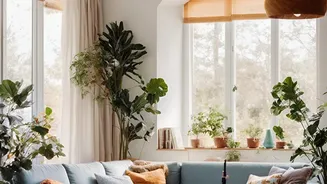
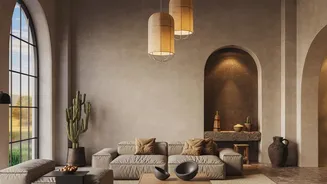
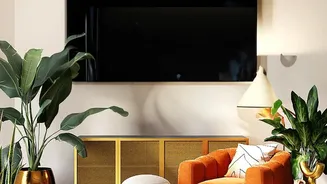
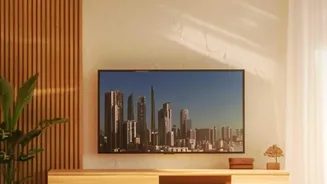
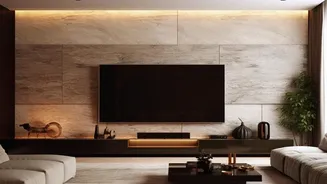
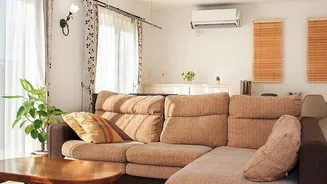
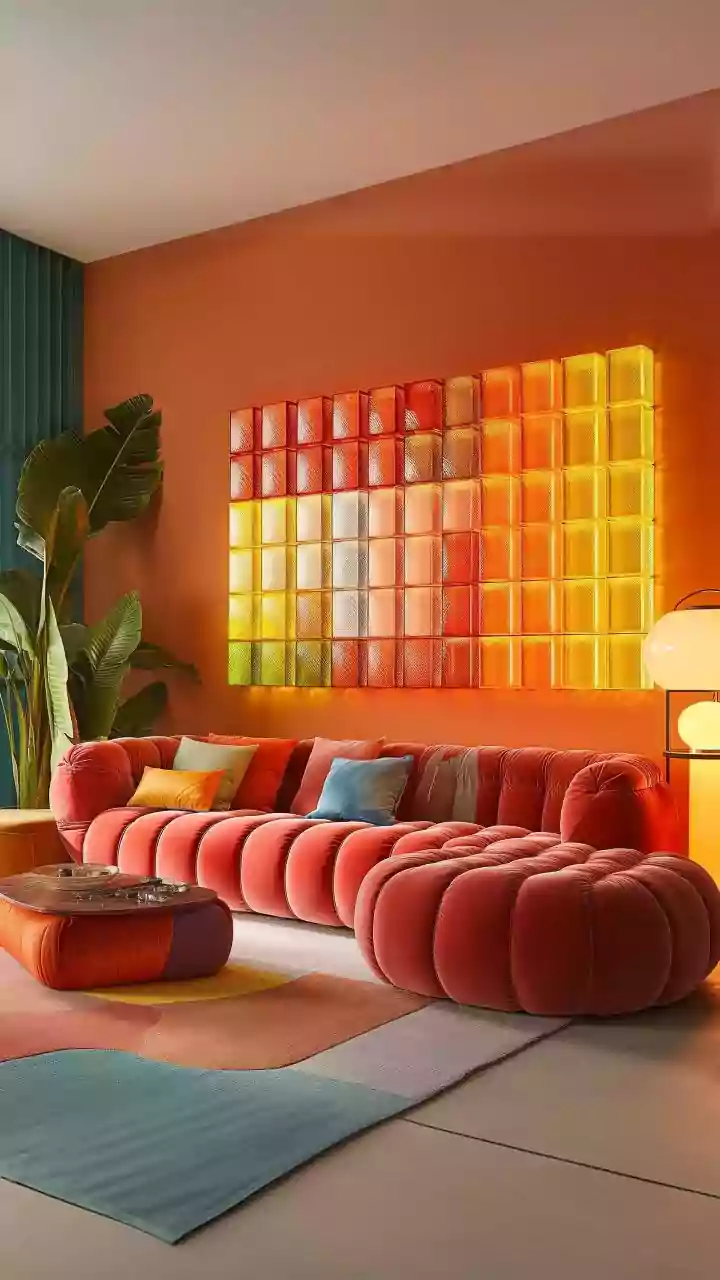
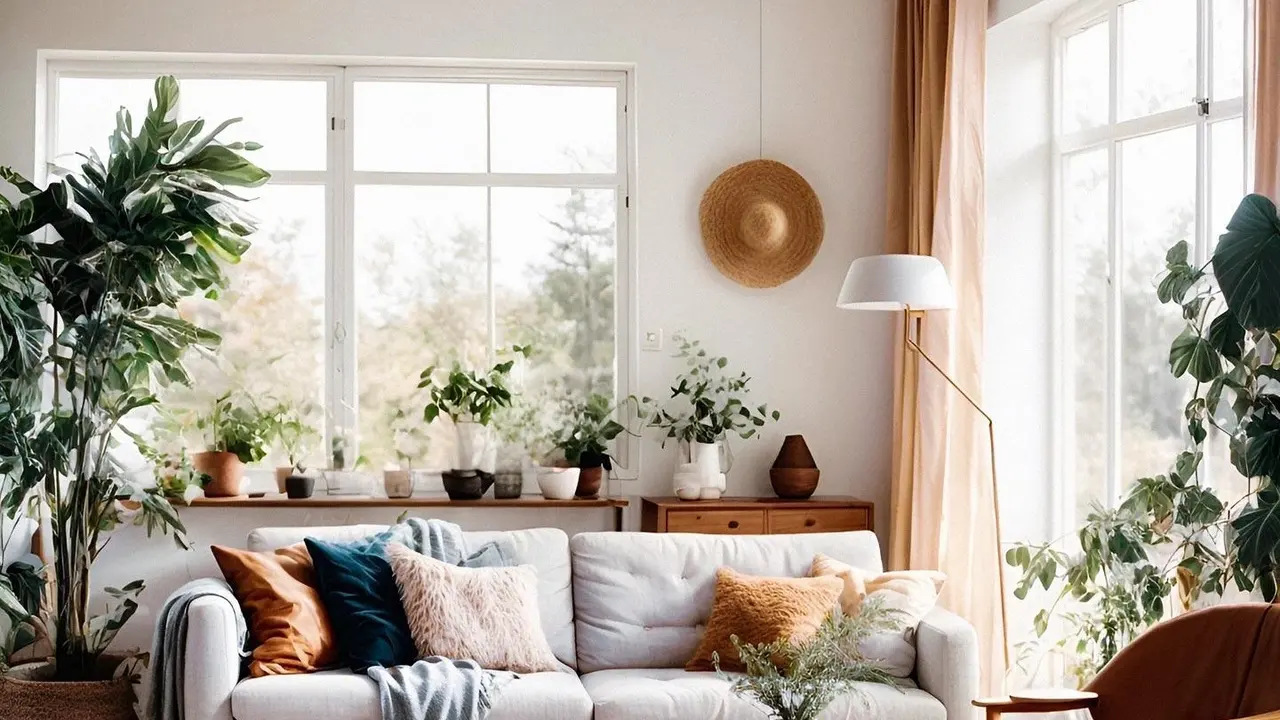
So what does this new, comfortable living room look like? It is defined by furniture that invites you to relax. Think plush, modular sofas and curved forms that soften a room's edges. Multi-functional pieces are key, such as coffee tables with hidden storage, sofa-beds, and extendable tables that adapt to different needs. The focus is less on a single, grand statement and more on layered textures that create a sense of warmth and history. This includes tactile materials like natural woods, linen, and cotton, which feel honest and grounding. The aesthetic is personal and curated, showcasing objects that tell a story rather than just announce wealth.
An Indian Twist on a Global Trend
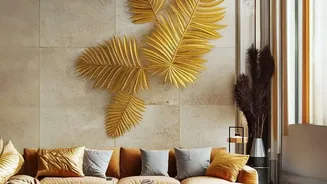
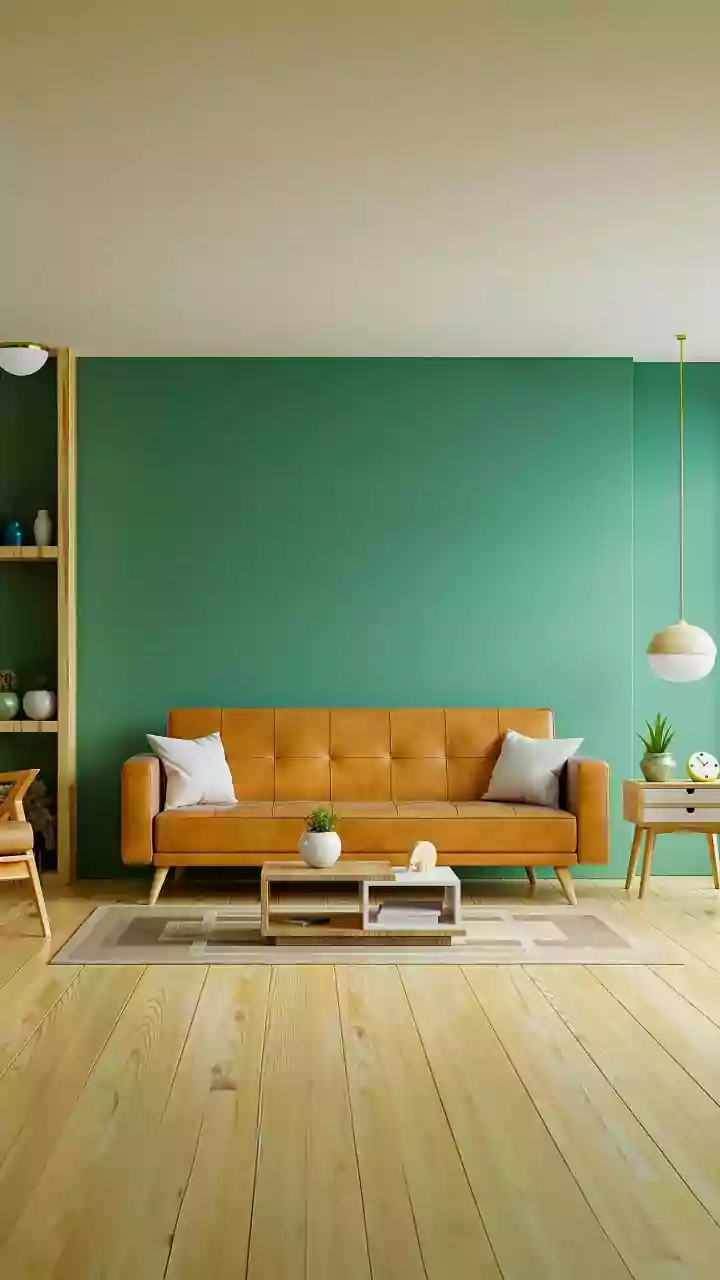
While the move towards comfort is a global phenomenon, in India it comes with a unique flavour. Designers are blending contemporary minimalism with distinctly Indian elements. This can be seen in the use of earthy colour palettes like terracotta, ochre, and olive green, which feel both modern and deeply familiar. There's a renewed appreciation for local artistry and craftsmanship, with handcrafted textiles, artisan-made decor, and furniture made from indigenous materials like cane and teak finding their way into modern homes. Even ancient principles like Vastu Shastra are being reinterpreted to enhance a home's flow and create a sense of harmony and well-being.
Making the Shift Without a Renovation
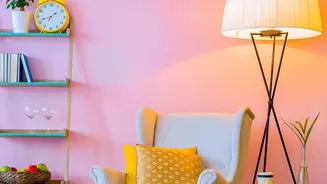
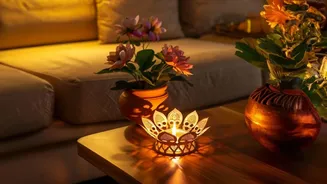
Embracing the lived-in philosophy doesn't require a complete overhaul. Small changes can make a significant impact. Start by decluttering formal showpieces and replacing them with items that have personal meaning. Introduce warmth and comfort through textiles; layer cushions with different textures, add a soft throw to the sofa, or place a handcrafted rug to define the space. Rethink lighting to create a cosier atmosphere with table lamps and floor lamps instead of relying solely on harsh overhead lights. Finally, rearrange furniture to encourage conversation and daily use, transforming the living room from a static display into the true, beating heart of the home.