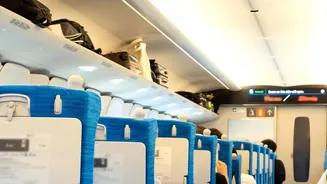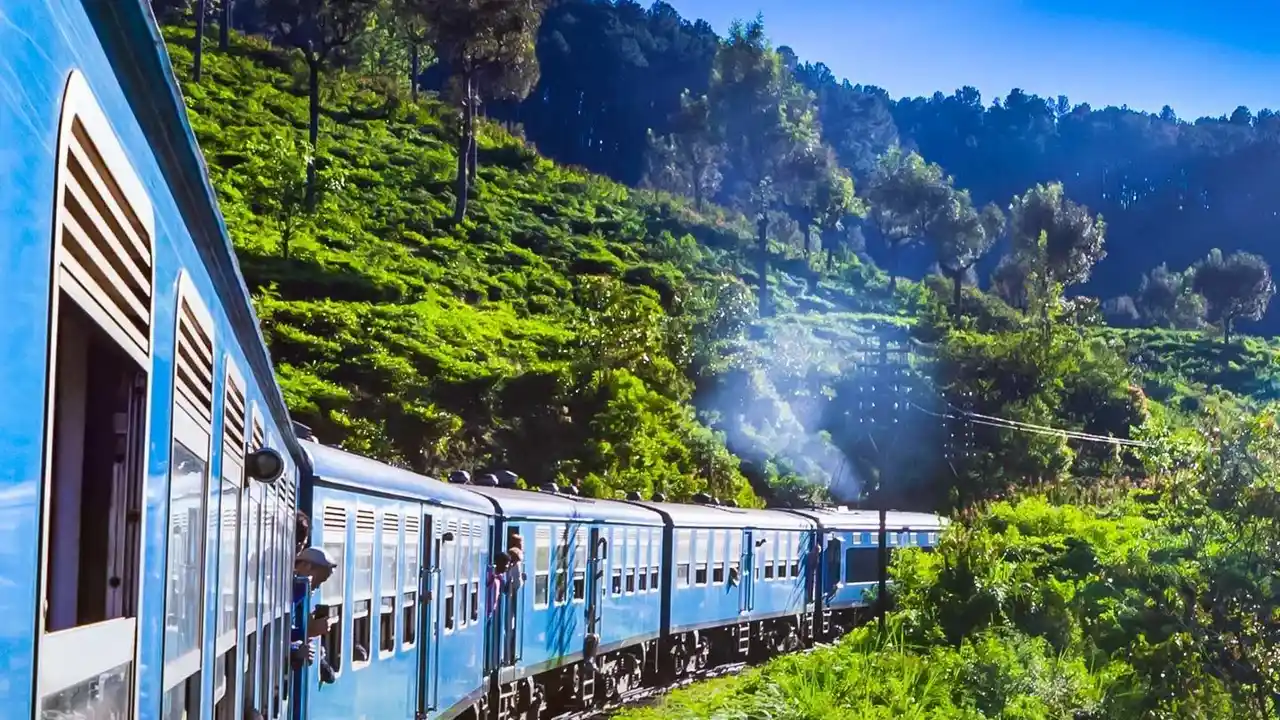








Indian Railways' premium Vande Bharat trains are known for their speed and service, including onboard meals. Now, IRCTC is testing a major change: a shorter, more focused menu. What does 'less is more' mean for your next journey?
Which Trains Are Part of the Trial?
The pilot project for
the new, compact menu was launched on November 1, 2026, targeting three key long-distance Vande Bharat sleeper services. Passengers travelling on the Mumbai-Bengaluru, Howrah-Kamakhya (Guwahati), and New Delhi-Varanasi Junction routes are the first to experience this new catering approach. The Indian Railway Catering and Tourism Corporation (IRCTC) is closely monitoring these specific routes to gather feedback before considering a wider rollout across its network. This selection of routes covers different regions, allowing IRCTC to test the concept across diverse passenger preferences.
More Quality, Less Variety: What's Off the Menu?
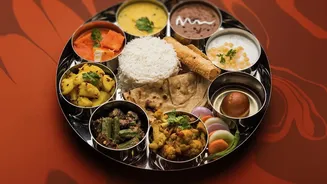
The core idea behind the trial is to improve food quality, hygiene, and consistency by reducing the number of items chefs need to prepare. The menu has been significantly trimmed from 8-10 items per meal down to about four. For breakfast, items like soup, egg omelettes, sandwiches, buttermilk, and chocolates have been removed. The lunch and dinner trays will no longer feature accompaniments such as dry vegetables, curd, salad, pickles, and sweets. The total weight of a meal has also been reduced from around 700-750 grams to about 450-500 grams, a change IRCTC states is due to the removal of side dishes, not a reduction in the portion size of the main items.
So, What Are Passengers Being Served Now?
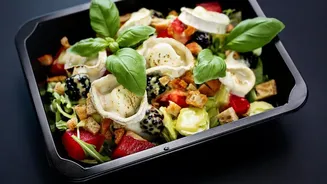
The new, streamlined menu focuses on a few core options, similar to an airline meal service. For breakfast, passengers can now choose one option from a selection that includes idli and vada with sambhar and chutney, poha, or upma. Lunch and dinner have been simplified to a combination of chapati, rice, dal, and a single main dish. Passengers still have a choice between a vegetarian main course and a non-vegetarian chicken option. The goal is to perfect the preparation of these fewer items and ensure they are served fresh and hot.
Why the Big Change? The Push for Better Food
This pilot project is a direct response to frequent passenger complaints regarding the quality, hygiene, and consistency of food served on trains. Railway officials believe that by simplifying the menu, it becomes much easier to monitor food preparation, maintain hygiene standards, and ensure a consistent taste and quality for every meal served. To support this, IRCTC has also partnered with major hospitality groups and large-scale cloud kitchens, such as TajSATS and the Mayfair Group, to prepare the meals in controlled, professional environments instead of relying on previous vendors. Early data seems promising, with one zone reporting a 10% drop in catering-related complaints shortly after the trial began.
What Happens After the Trial?
The future of catering on Vande Bharat and potentially other premium trains depends entirely on the outcome of this experiment. IRCTC officials have confirmed they are actively evaluating passenger feedback from the three trial routes to determine if the 'quality over quantity' approach is a success. If the response is positive, this compact menu model could be extended to a wider network of long-distance trains. However, the final decision is yet to be made. Passengers are also watching closely to see if the reduction in meal size and items will lead to a corresponding reduction in catering charges, which are typically included in the ticket fare unless a 'no-food' option is selected.