


1. Røst Archipelago: A Seabird Paradise
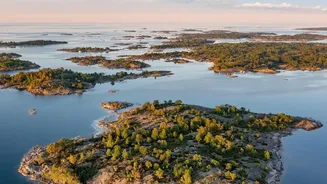
Lying about 100 kilometres from the mainland, the Røst archipelago is the outermost part of the Lofoten island chain. Its flat, windswept landscape is a stark contrast to the jagged peaks of Lofoten proper, but its true magic lies in its astonishing birdlife.
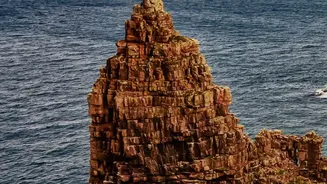
Røst is home to one of Norway's largest seabird colonies. While the Atlantic puffin population has declined from its historic highs, it still boasts hundreds of thousands of breeding pairs, making it a world-class destination for birdwatchers. Boat tours take visitors to the bird cliffs, where you can witness a swirling spectacle of puffins, kittiwakes, guillemots, and sea eagles. This remote community, with a population of just a few hundred people, is deeply connected to the sea, with fishing and stockfish production being its lifeblood for centuries.
2. Lofoten Islands: The Quintessential Arctic Dream
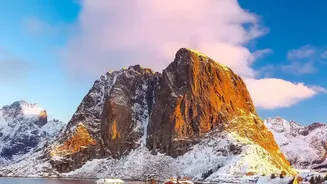
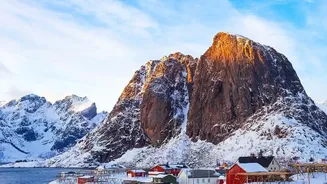
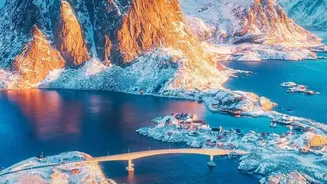
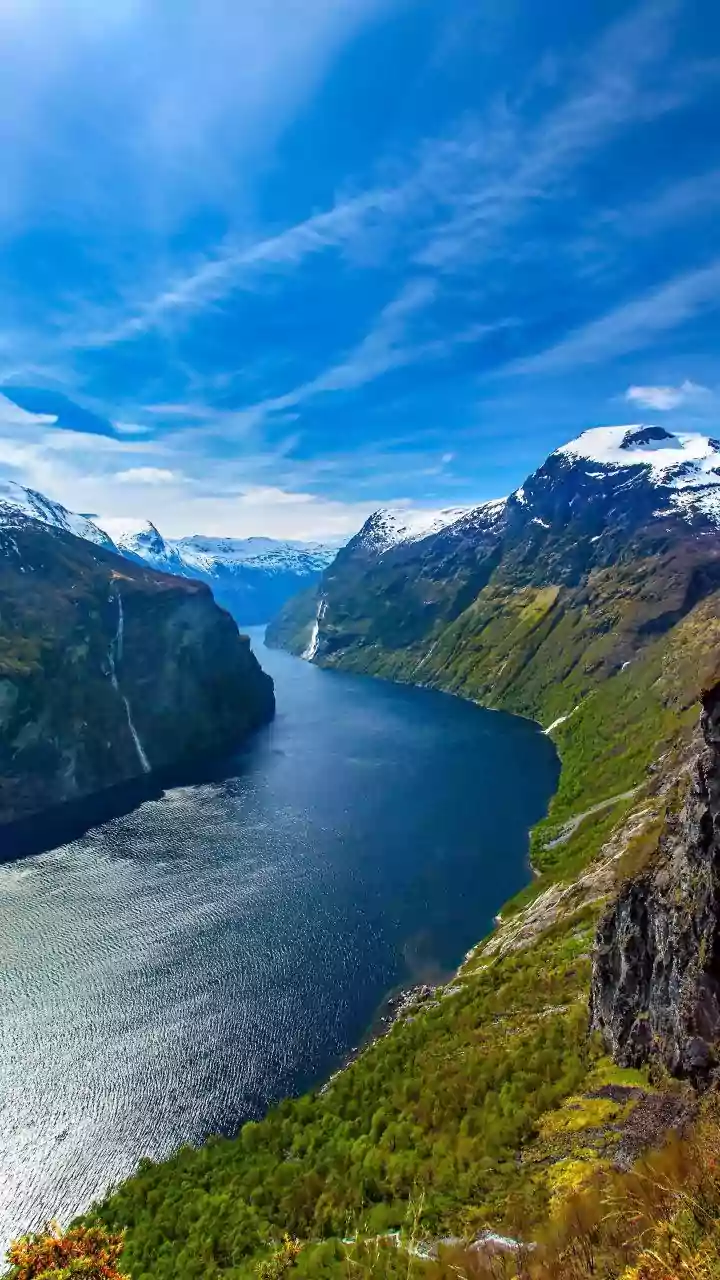
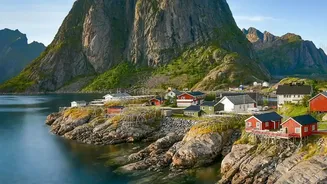
When you picture Arctic Norway, you're likely imagining the Lofoten Islands. This world-famous archipelago is known for its dramatic scenery where sharp, craggy peaks rise directly from the sea, sheltering picturesque fishing villages with iconic red cabins, known as 'rorbuer'. Located above the Arctic Circle, Lofoten offers the chance to experience the midnight sun in summer and the northern lights in winter. The islands are a paradise for outdoor activities like hiking, kayaking, and fishing for Arctic cod. The main islands are connected by bridges, making it a spectacular destination for a road trip, with endless photo opportunities around every corner. Don't miss villages like Reine, Hamnøy, and the fishing hub of Henningsvær, with its famous football pitch set against a stunning backdrop.
3. Senja: Norway in Miniature
Often called 'Norway in miniature', Senja is the country's second-largest island and offers a diverse range of landscapes. The outer coast is characterized by wild, dramatic mountains plunging into the sea, while the interior features lush forests, rivers, and the tranquil Ånderdalen National Park. A drive along the Senja National Tourist Route reveals stunning viewpoints like Tungeneset, with its view of the 'Devil's Teeth' mountain range, and the Bergsbotn platform overlooking a fjord. The island is a hiker's paradise, with trails for all levels, including the famous trek to Hesten for the iconic view of the Segla pinnacle. In winter, Senja is a prime location for whale watching, as orcas and humpback whales follow herring into the fjords, and it offers excellent opportunities to see the northern lights.
4. Svalbard: The Realm of the Polar Bear
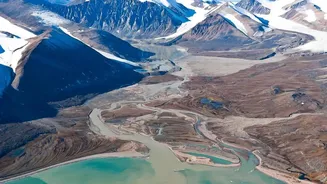
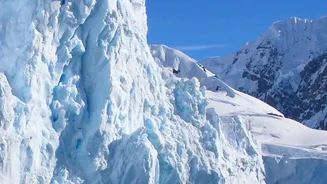
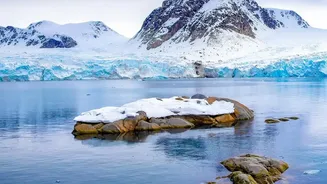
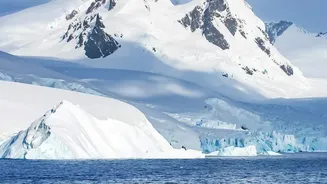
For the ultimate Arctic adventure, the Svalbard archipelago is unparalleled. Located halfway between mainland Norway and the North Pole, this is a land of glaciers, ice-choked fjords, and unique wildlife. Svalbard is one of the best places on Earth to see polar bears in their natural habitat, with a population that outnumbers the human residents. Visitors must travel with armed guides outside the main settlement of Longyearbyen for safety. Beyond the 'King of the Arctic', you can spot walruses hauled out on beaches, herds of Svalbard reindeer, Arctic foxes, and numerous whale species, including belugas and minkes. The brief Arctic summer also brings millions of seabirds to nest on dramatic cliffs. It is a raw, powerful, and unforgettable wilderness experience.
5. Sommarøy: The 'Summer Island'
Just an hour's drive from the city of Tromsø lies Sommarøy, a charming fishing village whose name means 'Summer Island'. It's renowned for its magnificent beaches, where powdery white sand meets crystal-clear turquoise water, creating a scene that could be mistaken for the Caribbean—if not for the Arctic temperatures. This vibrant coastal community is connected to the larger island of Kvaløya by a bridge and is a popular getaway for both locals and visitors. Activities here are all about the sea and the scenery: kayaking along the coast, relaxing on the beaches, or hiking nearby hills for panoramic views. In summer, the midnight sun bathes the island in a golden glow 24 hours a day, while winter offers spectacular views of the northern lights.